Introduction: Why Soil Testing Is Essential
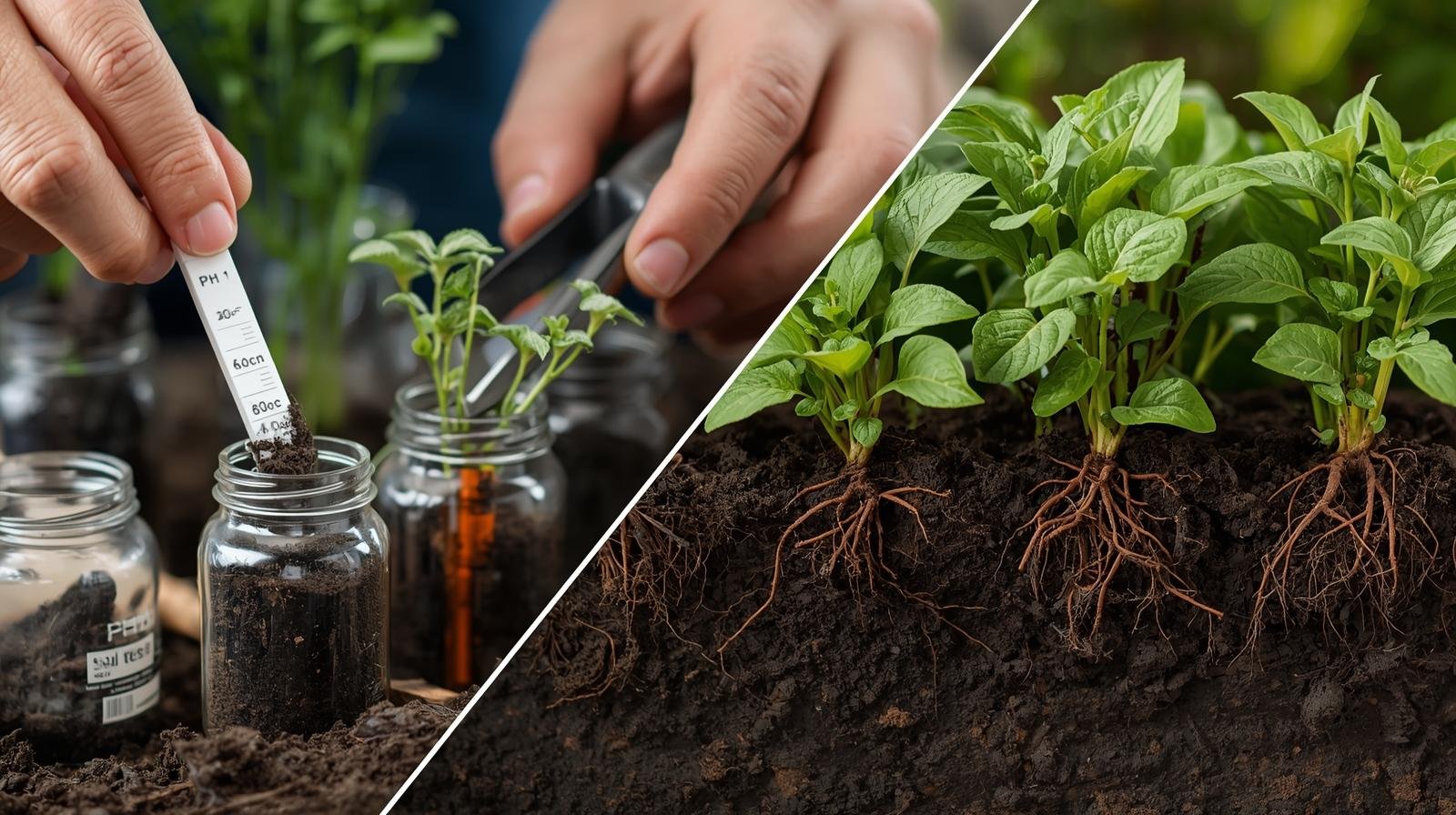
Healthy soil is the foundation of every successful garden. Many gardeners focus on fertilizers without understanding soil conditions. Soil testing reveals nutrient levels, structure, and balance. Simple home tests provide valuable insights. These tests help gardeners adjust care routines. Poor soil leads to weak plants and low yields. Testing prevents guesswork. Knowledge empowers better gardening decisions.
Understanding What Soil Tests Reveal
Soil tests measure pH, nutrients, drainage, and organic matter. Each factor affects plant health. Incorrect pH limits nutrient uptake. Poor drainage causes root problems. Nutrient imbalance weakens growth. Simple tests identify these issues. Home testing saves time and money. Understanding results guides improvement. Healthy soil supports strong plants.
1. Soil pH Test
Soil pH determines acidity or alkalinity. Most plants prefer slightly acidic soil. Extreme pH blocks nutrient absorption. Home pH kits are easy to use. Vinegar and baking soda tests also work. Testing helps match plants to soil. Adjusting pH improves growth. This test is fundamental.
How to Perform a Simple pH Test
Collect soil from several spots. Mix samples together. Use test strips or solutions. Observe color changes carefully. Compare with chart provided. Record results. Repeat seasonally. Small adjustments make big differences.
2. Soil Texture Test
Soil texture affects drainage and root growth. Texture refers to sand, silt, and clay content. A simple jar test reveals composition. Texture influences watering frequency. Heavy clay retains water. Sandy soil drains quickly. Knowing texture guides soil improvement. Balanced soil supports roots.
Jar Test Method Explained
Fill a jar with soil and water. Shake vigorously. Allow layers to settle. Sand settles first. Silt forms middle layer. Clay stays on top. Measure proportions visually. This reveals soil structure. Adjust accordingly.
3. Soil Drainage Test
Poor drainage causes root rot and disease. A drainage test is easy. Dig a hole and fill with water. Measure how fast it drains. Ideal drainage empties within hours. Slow drainage indicates compaction. Fast drainage signals sandy soil. Knowing this helps adjust watering.
Improving Drainage Based on Results
Add organic matter to clay soil. Use compost to improve structure. Sand alone is not enough. Raised beds help poor drainage. Mulching supports moisture balance. Adjust plant choices accordingly. Drainage affects everything.
4. Soil Nutrient Test
Nutrient tests measure nitrogen, phosphorus, and potassium. Home kits are widely available. Results indicate deficiencies or excesses. Over-fertilizing harms plants. Balanced nutrients promote growth. Testing prevents misuse of fertilizers. Targeted feeding improves results. Nutrient awareness is key.
Interpreting Nutrient Test Results
Low nitrogen affects leaf growth. Phosphorus impacts roots and blooms. Potassium supports overall strength. Match fertilizers to needs. Organic options work well. Avoid blanket feeding. Precision improves plant health. Testing guides decisions.
5. Organic Matter Test
Organic matter improves soil fertility and structure. A simple observation test works. Dark soil indicates high organic content. Pale soil lacks nutrients. Compost improves organic matter. Healthy soil smells earthy. Organic matter feeds microbes. Microbes support plants naturally.
Boosting Organic Matter Naturally
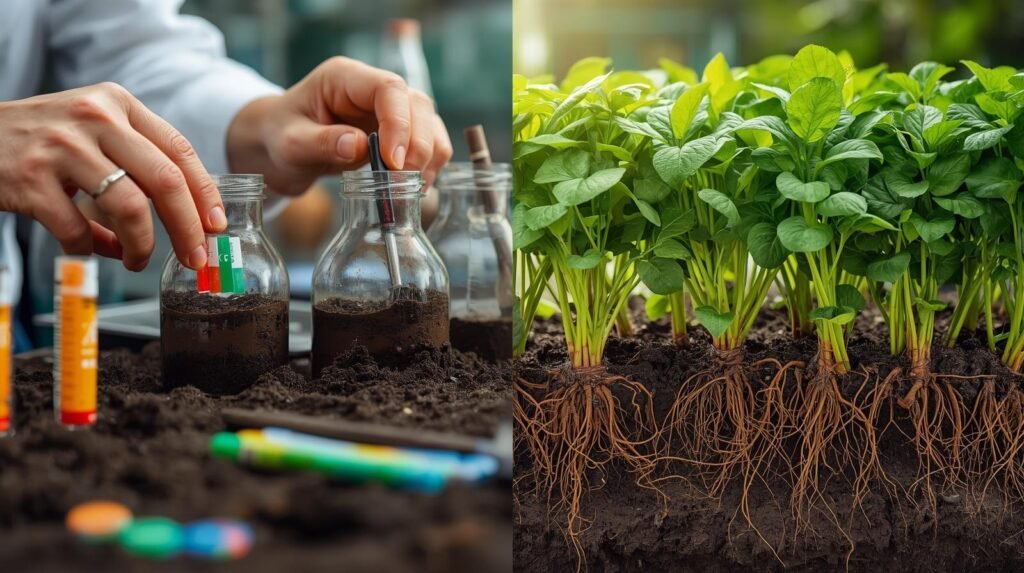
Add compost regularly. Use leaf mulch. Avoid removing all plant debris. Rotate crops. Grow cover crops when possible. Organic matter builds over time. Patience pays off. Soil improves steadily.
Common Soil Testing Mistakes
Testing only one spot gives inaccurate results. Ignoring seasonal changes limits accuracy. Misreading instructions causes errors. Overreacting to results harms soil. Balance is important. Testing regularly provides trends. Learning improves reliability. Soil testing is a process.
Benefits of Home Soil Testing
Testing saves money on fertilizers. It prevents plant stress. Soil health improves steadily. Garden productivity increases. Problems are identified early. Confidence in gardening grows. Results become predictable. Knowledge empowers success.
Soil Test Reference Table
Soil Test
What It Measures
Tools Needed
Ideal Result
Benefit
pH test
Acidity alkalinity
Test kit strips
Slightly acidic
Better nutrient uptake
Texture test
Sand silt clay
Jar water
Balanced mix
Proper drainage
Drainage test
Water movement
Shovel water
Moderate drain
Healthy roots
Nutrient test
Nitrogen phosphorus potassium
Test kit
Balanced levels
Strong growth
Organic matter
Soil richness
Visual smell
Dark crumbly
Microbial health
Final Thoughts on Easy Soil Testing
Soil testing transforms gardening results. Simple home tests provide powerful insights. Understanding soil prevents common problems. Adjustments become targeted and effective. Healthy soil supports healthy plants. Testing builds confidence. Every gardener benefits. Knowledge begins underground.