Introduction: Why Banana Peels Are Valuable in Gardening
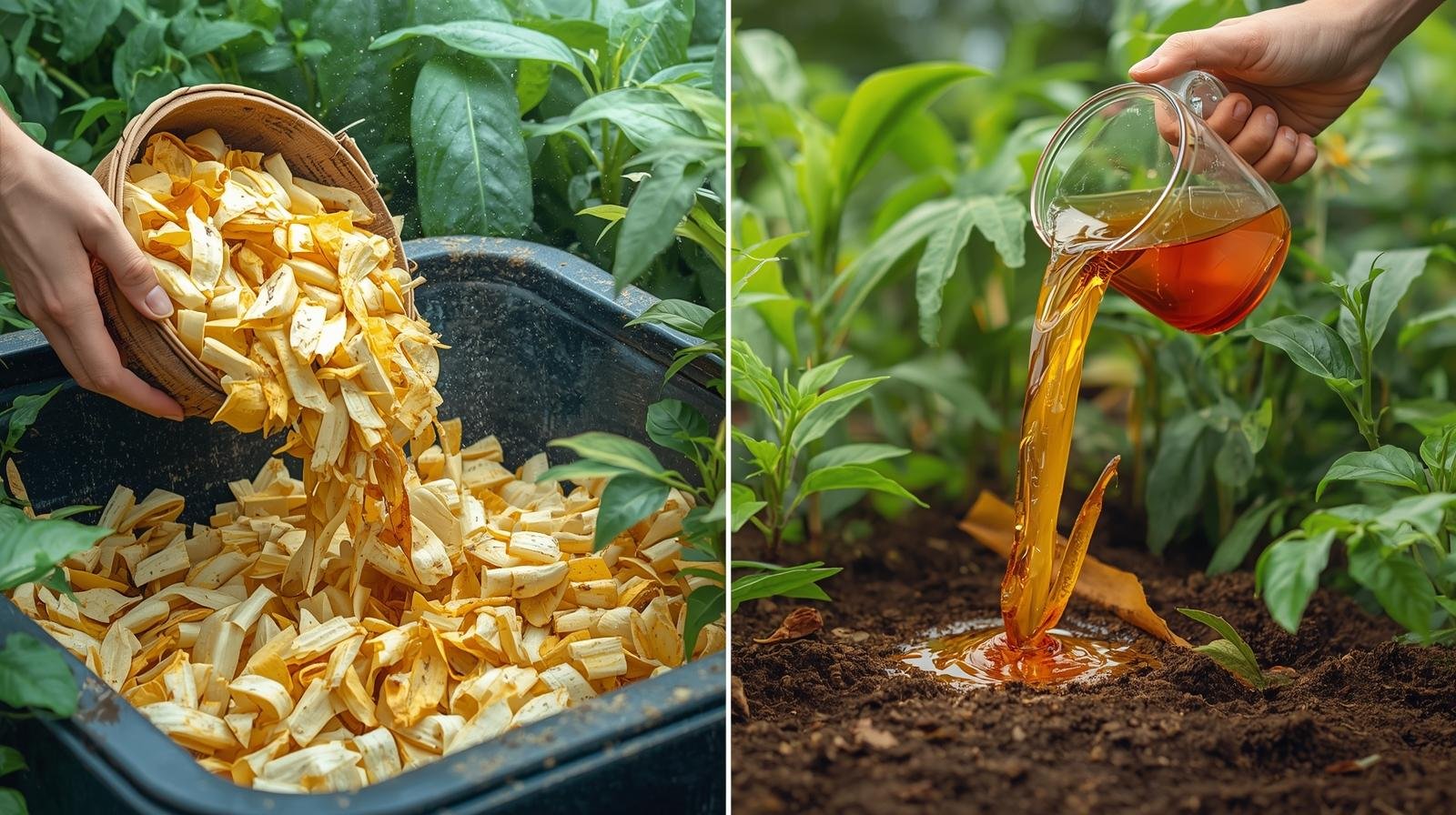
Banana peels are often discarded as waste, but they offer surprising benefits in the garden. Rich in essential nutrients, banana peels support healthy plant growth. Garden experts recommend natural methods using banana peels to reduce chemical fertilizer use. They improve soil health while recycling kitchen waste. Banana peels are affordable and eco-friendly. Using them promotes sustainable gardening practices. These methods are simple and effective. Gardeners can enhance plant growth naturally. Knowledge transforms waste into resource.
Understanding Nutrients Found in Banana Peels
Banana peels contain potassium, phosphorus, and calcium. These nutrients support root development and flowering. Potassium strengthens plant cells. Phosphorus encourages blooms and fruiting. Calcium improves soil structure. Banana peels decompose slowly, releasing nutrients gradually. They improve microbial activity in soil. Understanding nutrient content helps proper use. Balanced nutrition promotes healthier plants. Natural sources benefit gardens long-term.
Benefits of Using Banana Peels Naturally
Using banana peels reduces waste and saves money. They enrich soil organically. Banana peels improve moisture retention. They support beneficial microorganisms. Chemical fertilizer dependency decreases. Natural gardening becomes easier. Plants grow stronger and more resilient. Banana peels suit many garden types. Sustainability improves garden ecosystems. Simple practices create big impact.
1. Banana Peels as Natural Compost Boosters
Adding banana peels to compost accelerates nutrient richness. Chop peels into small pieces for faster decomposition. They balance carbon-heavy materials. Banana peels increase potassium content in compost. Compost enriched with banana peels benefits flowering plants. Avoid adding excessive peels at once. Proper layering prevents odor. Compost remains balanced. This method improves soil fertility naturally.
How to Compost Banana Peels Correctly
Bury banana peels within compost piles. Mix with dry leaves or paper. Maintain moisture balance. Turn compost regularly. Decomposition takes several weeks. Finished compost smells earthy. Banana peels integrate smoothly. Proper composting prevents pests. Compost improves soil structure. Natural nutrients benefit plants.
2. Banana Peel Tea for Liquid Fertilizer
Banana peel tea is a gentle liquid fertilizer. Soak chopped peels in water for twenty-four hours. Strain liquid before use. Apply directly to soil, not leaves. This solution delivers potassium efficiently. It supports flowering and fruiting plants. Avoid overuse. Use once every two weeks. Liquid nutrients absorb quickly. Simple preparation offers big benefits.
Best Plants for Banana Peel Tea
Flowering plants benefit most from banana peel tea. Roses respond positively. Tomatoes show improved flowering. Peppers produce stronger fruit. Houseplants tolerate diluted solutions. Avoid using on seedlings. Established plants respond better. Test on small area first. Observe plant response. Adjust frequency as needed.
3. Banana Peels as Soil Burial Fertilizer
Burying banana peels directly enriches soil slowly. Dig peels several inches deep. Place near root zones, not touching roots. Decomposition releases nutrients gradually. This method improves long-term soil health. Avoid surface placement to prevent pests. Soil microbes break peels down efficiently. Nutrients become available naturally. This technique is simple and effective.
Precautions When Burying Banana Peels
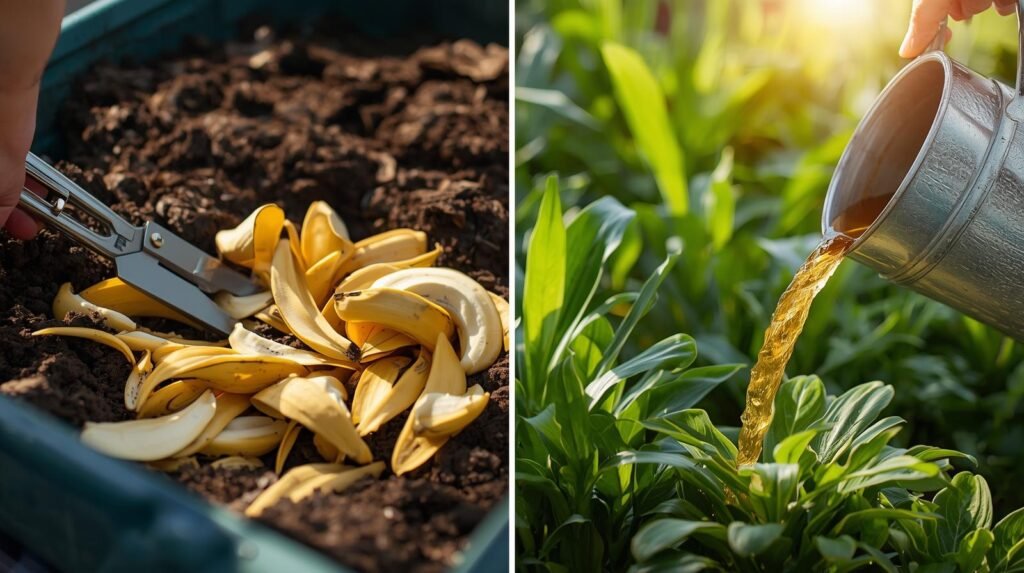
Use ripe peels for faster breakdown. Chop peels before burying. Avoid overuse in one area. Monitor soil moisture. Ensure good drainage. Do not bury near plant stems. Balance with other organic matter. Proper use prevents issues. Moderation ensures success.
4. Banana Peels for Pest Deterrence
Banana peels can help deter aphids. Bury peels near affected plants. Their scent repels some pests. This method is mild and natural. It does not harm beneficial insects. Combine with other pest control strategies. Results vary by environment. Consistency improves effectiveness. Natural pest control reduces chemicals. Eco-friendly solutions support gardens.
Combining Banana Peels with Other Natural Methods
Use banana peels alongside neem oil or compost. Integrated methods improve results. Avoid relying on peels alone. Diversity strengthens pest control. Healthy plants resist pests better. Balanced ecosystems reduce infestations. Natural combinations are effective. Sustainable gardening requires multiple strategies. Peels play a supporting role.
5. Banana Peels for Improving Soil Structure
Banana peels add organic matter to soil. Decomposition increases soil aeration. Improved structure enhances water retention. Roots grow more freely. Soil becomes richer over time. Banana peels support earthworm activity. Healthy soil supports healthy plants. Long-term use improves fertility. Structure improvement benefits all gardens.
Using Banana Peels in Different Garden Types
Vegetable gardens benefit from potassium enrichment. Flower gardens show improved blooms. Container plants need moderation. Raised beds respond well. Indoor plants require diluted applications. Soil type influences effectiveness. Adjust methods accordingly. Versatility makes banana peels useful. Adaptation ensures safety.
Common Mistakes When Using Banana Peels
Leaving peels on soil surface attracts pests. Using too many peels causes imbalance. Applying peel tea too frequently harms roots. Ignoring soil conditions reduces benefits. Using moldy peels is risky. Proper preparation prevents problems. Awareness avoids errors. Balance ensures effectiveness. Responsible use is key.
Safety Tips for Banana Peel Gardening
Always wash peels before use. Remove pesticide residue. Chop peels for faster decomposition. Avoid direct contact with stems. Store peels properly before use. Monitor plant reactions. Adjust methods if issues arise. Safety ensures healthy results. Clean practices matter.
Long-Term Benefits of Banana Peel Use
Regular use improves soil fertility. Plants grow stronger over time. Reduced waste benefits environment. Gardening costs decrease. Natural practices build sustainability. Soil ecosystems thrive. Long-term improvements are noticeable. Banana peels become valuable resources. Small habits create lasting change.
Table: Banana Peel Uses in Gardening
Use Method
Composting enriches soil nutrients naturally
Nutrient Benefit
Potassium supports flowering and fruiting
Application Style
Liquid tea delivers fast absorption
Best Garden Type
Vegetable and flower gardens respond well