Introduction: Why Growing Peppers Indoors Is a Smart Choice
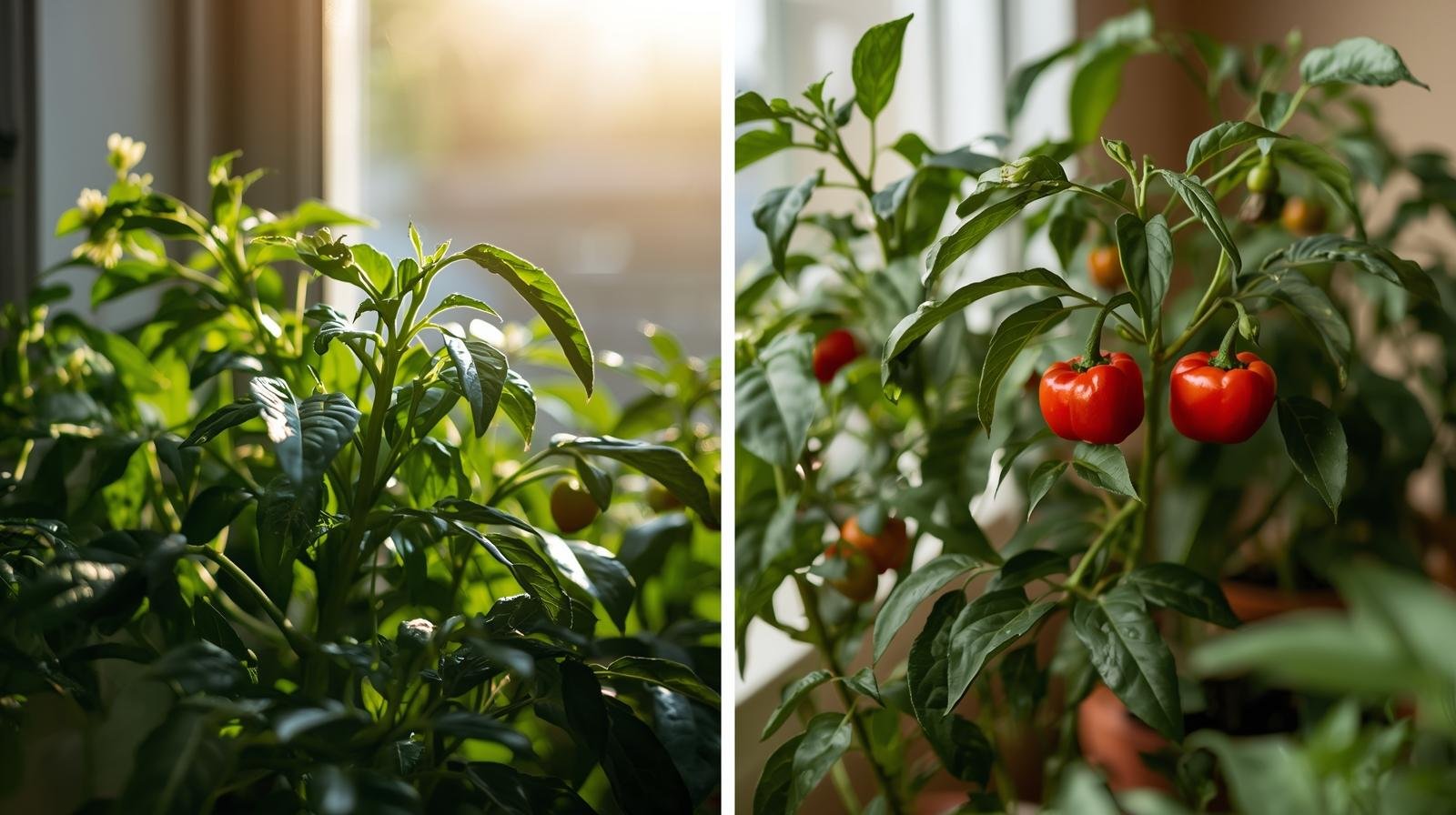
Growing peppers indoors allows gardeners to enjoy fresh, flavorful harvests throughout the year regardless of outdoor weather conditions. Many pepper varieties adapt well to containers and controlled environments, making indoor cultivation practical. Indoor growing protects plants from pests, frost, and extreme heat. It also allows better control over watering, lighting, and nutrients. Homegrown peppers are fresher and more nutritious than store-bought ones. With proper planning, even small spaces can support pepper plants. Indoor pepper gardening saves money and increases self-sufficiency. Understanding basic requirements makes year-round harvesting possible.
Best Pepper Varieties for Indoor Growing
Choosing the right pepper variety is essential for indoor success. Compact and dwarf varieties grow best indoors. Chili peppers, bell peppers, and ornamental peppers adapt well to containers. Smaller plants require less space and light. Hot peppers often perform better indoors than large sweet varieties. Selecting disease-resistant seeds improves results. Hybrid varieties bred for containers are ideal. Healthy varieties produce more consistently. Proper variety selection ensures productive indoor harvests.
Understanding Pepper Plant Growth Indoors
Pepper plants are warm-season crops that love consistent conditions. Indoors, growth depends on light, temperature, and nutrients. Unlike outdoor plants, indoor peppers rely entirely on the grower for care. Growth stages include seedling, vegetative growth, flowering, and fruiting. Each stage has different needs. Indoor plants grow slower but steadier. Controlled environments reduce stress. Understanding growth patterns helps maximize yields.
Choosing the Right Containers for Indoor Peppers
Containers play a crucial role in indoor pepper growing. Pots should have drainage holes to prevent waterlogging. Medium-sized containers allow sufficient root development. Lightweight pots are easier to move for light exposure. Deeper containers support healthy root systems. Using clean containers prevents disease. Container size affects fruit production. Proper container choice ensures healthy growth. Well-drained pots are essential for success.
Best Soil Mix for Indoor Pepper Plants
Pepper plants require loose, nutrient-rich soil. A high-quality potting mix works best. Soil should retain moisture while draining well. Adding compost improves fertility naturally. Avoid heavy garden soil indoors. Balanced soil encourages strong roots. Healthy roots support flowering and fruiting. Soil quality directly affects yields. Good soil is the foundation of indoor pepper success.
Light Requirements for Growing Peppers Indoors
Light is the most critical factor for indoor pepper plants. Peppers need long hours of bright light daily. Natural sunlight from south-facing windows works well. Grow lights are essential when sunlight is insufficient. LED grow lights provide consistent illumination. Light intensity affects flowering and fruiting. Rotate plants for even exposure. Proper lighting ensures strong growth and better harvests.
Maintaining Ideal Indoor Temperature
Peppers thrive in warm indoor temperatures. Consistent warmth promotes flowering and fruit set. Avoid placing plants near cold drafts or heaters. Sudden temperature changes stress plants. Warm daytime temperatures and slightly cooler nights work best. Indoor temperature stability improves productivity. Healthy plants respond well to warmth. Temperature control is key for year-round growth.
Watering Indoor Pepper Plants Correctly
Watering must be carefully managed indoors. Overwatering causes root rot and disease. Allow soil to dry slightly between watering. Use room-temperature water. Good drainage prevents standing water. Underwatering stresses plants and reduces yields. Observing soil moisture helps determine timing. Balanced watering supports healthy plants. Consistency is more important than frequency.
Fertilizing Peppers for Continuous Harvest
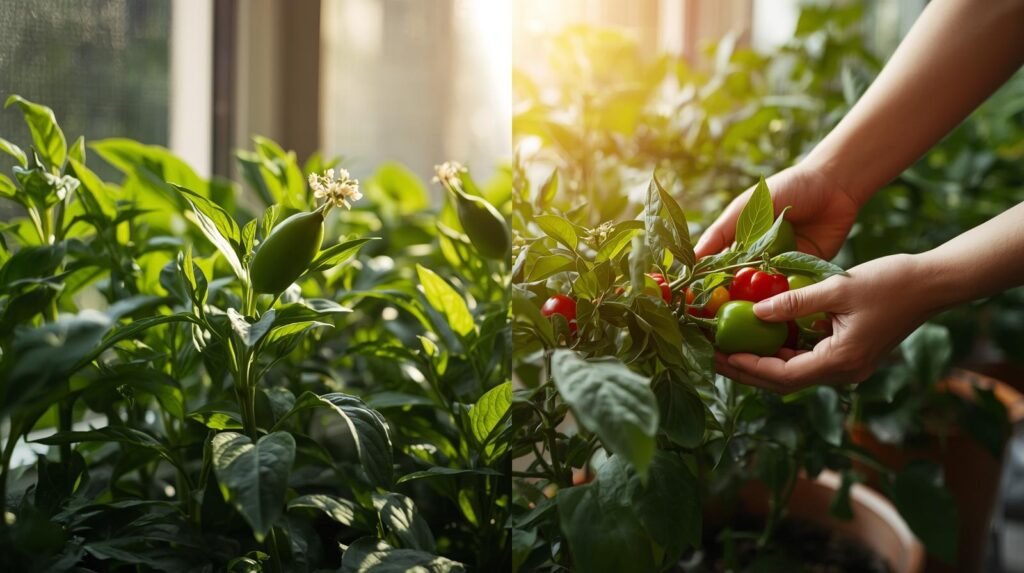
Indoor peppers need regular feeding. Nutrients deplete quickly in containers. Use balanced fertilizer during growth. Increase potassium during flowering. Avoid overfertilization, which causes leaf growth instead of fruit. Organic fertilizers work well indoors. Feeding supports continuous fruit production. Healthy nutrition improves flavor. Proper fertilization extends harvest periods.
Pollination of Indoor Pepper Plants
Indoor peppers may need help with pollination. Lack of insects reduces fruit set. Gently shaking plants helps release pollen. Using a soft brush can improve pollination. Proper airflow also helps. Healthy flowers indicate good conditions. Pollination ensures fruit development. Simple techniques increase yields. Indoor pollination is easy and effective.
Pruning Pepper Plants Indoors
Pruning helps control plant size indoors. Removing excess growth improves airflow. Pruning redirects energy to fruit production. Remove weak or damaged branches. Light pruning encourages bushy growth. Avoid heavy pruning during flowering. Clean tools prevent disease spread. Pruning improves indoor plant management.
Managing Humidity for Indoor Peppers
Indoor humidity affects plant health. Very dry air causes flower drop. Moderate humidity supports healthy leaves. Grouping plants increases humidity naturally. Occasional misting can help. Avoid excessive moisture on leaves. Balanced humidity reduces stress. Healthy humidity improves productivity. Indoor climate control matters.
Preventing Pests in Indoor Pepper Plants
Indoor peppers can still face pest problems. Aphids and spider mites are common. Inspect plants regularly. Use natural pest control methods. Neem oil works effectively indoors. Clean leaves prevent infestations. Healthy plants resist pests better. Early detection prevents damage. Pest management protects harvests.
Common Problems When Growing Peppers Indoors
Indoor growers face challenges like poor fruiting. Insufficient light is a common issue. Overwatering causes yellow leaves. Nutrient imbalance affects growth. Temperature fluctuations stress plants. Identifying problems early helps correction. Adjusting care improves outcomes. Learning from mistakes builds success. Indoor gardening improves with experience.
Encouraging Continuous Flowering and Fruiting
Consistent care encourages ongoing production. Harvest peppers regularly to stimulate new flowers. Proper feeding supports repeat fruiting. Adequate light prevents flower drop. Healthy plants produce continuously. Avoid stress factors. Regular maintenance ensures productivity. Continuous harvesting is achievable indoors. Stability leads to success.
Harvesting Indoor Peppers Properly
Harvest peppers when they reach desired size and color. Use clean scissors or pruners. Regular harvesting promotes more fruit. Avoid pulling peppers off plants. Freshly harvested peppers taste better. Harvest timing affects flavor. Indoor peppers can be harvested year-round. Proper harvesting maintains plant health.
Benefits of Growing Peppers Indoors
Indoor pepper growing provides fresh produce anytime. It saves grocery costs. Homegrown peppers are chemical-free. Indoor gardening reduces stress. It improves food security. Peppers add color and beauty indoors. Gardening boosts satisfaction. Indoor peppers are rewarding to grow.
Year-Round Care Tips for Indoor Pepper Plants
Maintain consistent care routines. Adjust lighting during seasons. Monitor temperature changes. Continue feeding lightly year-round. Observe plant health regularly. Indoor plants rely on attention. Consistency improves results. Year-round care ensures success. Small adjustments make a big difference.
Indoor Pepper Growing Summary Table
| Aspect | Best Practice |
|---|---|
| Light | Bright sunlight or grow lights |
| Container | Medium size with drainage |
| Soil | Loose, nutrient-rich mix |
| Watering | Moderate and consistent |
| Harvest | Regular for continuous yield |