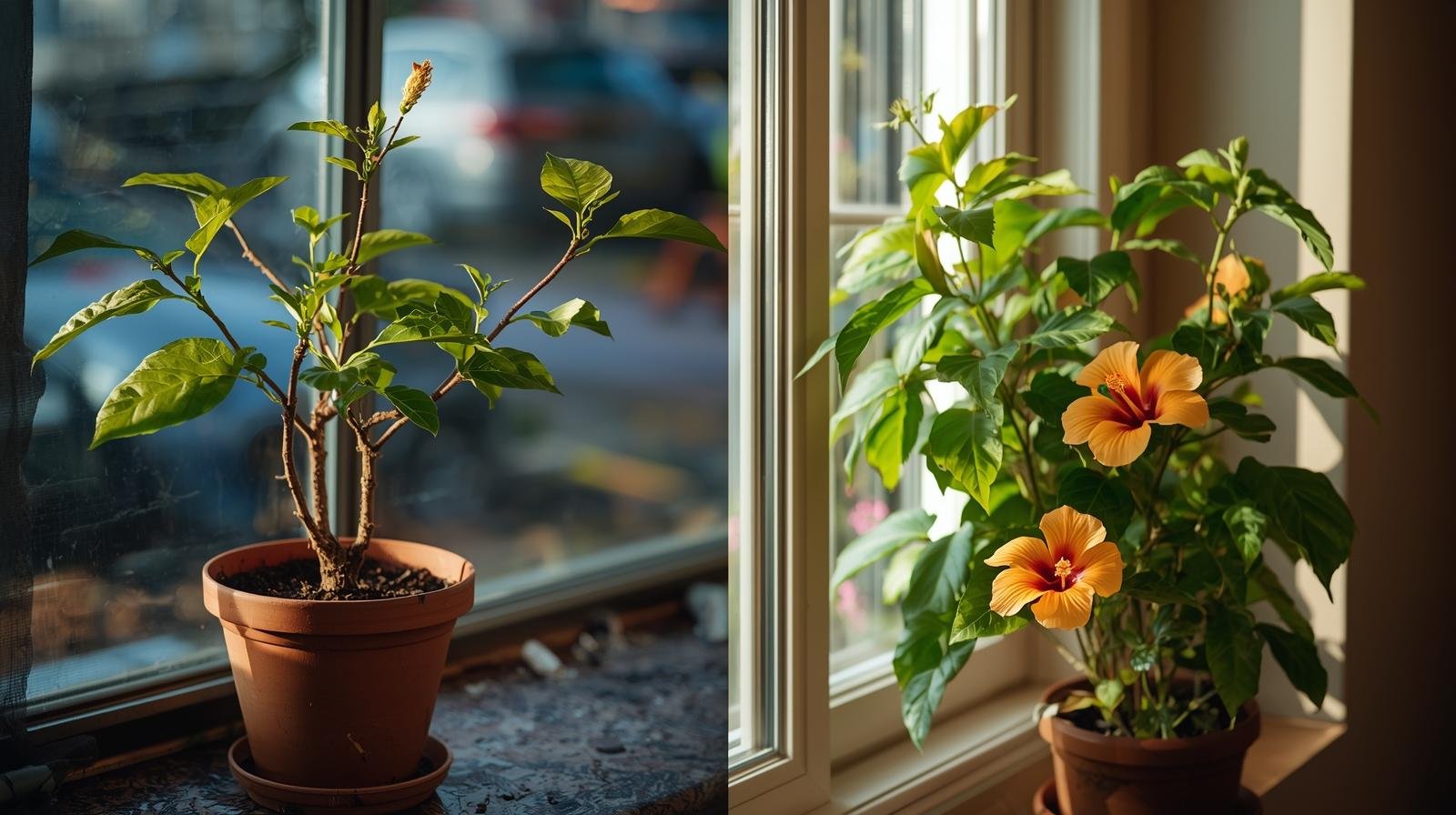
Introduction: Why Overwintering Hibiscus Indoors Is Essential
Hibiscus plants are tropical beauties that cannot tolerate cold temperatures. When winter arrives, potted hibiscus plants left outdoors can suffer severe damage or die completely. Overwintering indoors allows gardeners to protect these plants from frost and freezing conditions. Many people lose hibiscus plants simply because they do not prepare them correctly for winter. With proper indoor care, hibiscus plants can survive winter and bloom again in spring. The process requires planning, observation, and consistency. Indoor overwintering is not difficult when done correctly. Understanding hibiscus needs is the first step to success.
Understanding Hibiscus Types Before Winter Care
Not all hibiscus plants are the same, and identifying the type you have is important. Tropical hibiscus varieties are highly sensitive to cold and must be brought indoors. Hardy hibiscus can tolerate colder temperatures but still benefit from protection. Tropical hibiscus usually has glossy leaves and bright flowers. These plants are commonly grown in containers. Knowing your hibiscus type helps determine indoor conditions. Tropical hibiscus requires warmth and light throughout winter. Correct identification prevents winter stress and loss.
When to Bring Hibiscus Indoors for Winter
Timing is critical when overwintering hibiscus plants. Hibiscus should be moved indoors before nighttime temperatures drop below safe levels. Sudden cold exposure can shock the plant. Monitor weather forecasts carefully in late fall. Gradually transitioning the plant indoors reduces stress. Avoid waiting until frost warnings appear. Early preparation helps hibiscus adjust smoothly. Bringing plants in at the right time preserves leaf health. Proper timing ensures successful overwintering.
Preparing Hibiscus Plants Before Moving Indoors
Before bringing hibiscus indoors, proper preparation is essential. Inspect the plant thoroughly for pests and diseases. Wash leaves gently with water to remove insects. Trim dead or weak branches to reduce stress. Clean the pot and soil surface carefully. This preparation prevents pests from spreading indoors. Healthy plants adapt better to indoor conditions. Skipping preparation often causes indoor problems. Clean plants overwinter more successfully.
Choosing the Right Indoor Location
Location plays a major role in hibiscus survival indoors. Hibiscus plants need bright, indirect sunlight during winter. A sunny window facing south or east works best. Avoid placing plants near cold drafts or heaters. Sudden temperature changes cause leaf drop. Consistent warmth helps hibiscus remain healthy. Indoor temperatures should remain stable. Proper placement ensures continued growth and survival. Light and warmth must be balanced carefully.
Light Requirements During Winter Months
Light is often limited during winter, which affects hibiscus health. Hibiscus plants need several hours of bright light daily. Insufficient light causes leaf yellowing and dropping. Supplemental grow lights can help during darker months. Place lights at an appropriate distance from plants. Rotate pots to ensure even exposure. Consistent light supports photosynthesis. Proper lighting keeps hibiscus strong indoors. Light management is crucial for overwintering success.
Indoor Temperature Management for Hibiscus
Hibiscus plants prefer warm indoor temperatures. Ideal temperatures remain within a comfortable indoor range. Avoid exposing plants to cold windows at night. Keep hibiscus away from air conditioners and heaters. Temperature fluctuations stress the plant. Stable warmth encourages steady growth. Night temperatures should not drop drastically. Maintaining indoor warmth mimics tropical conditions. Temperature consistency ensures plant survival.
Watering Hibiscus Indoors During Winter
Watering needs change significantly during winter. Hibiscus plants grow more slowly indoors. Overwatering is a common winter mistake. Allow the topsoil to dry slightly between watering. Use room-temperature water only. Good drainage prevents root rot. Reduced watering helps plants rest. Observing soil moisture is essential. Balanced watering supports healthy overwintering.
Managing Humidity for Indoor Hibiscus
Indoor air becomes dry during winter, affecting hibiscus plants. Low humidity causes leaf drop and stress. Using a humidity tray helps maintain moisture. Grouping plants increases humidity naturally. Occasional misting can help if done carefully. Avoid wetting flowers excessively. Maintaining humidity mimics natural environments. Healthy humidity levels improve leaf retention. Hibiscus thrives in moist air.
Fertilizing Hibiscus During Winter
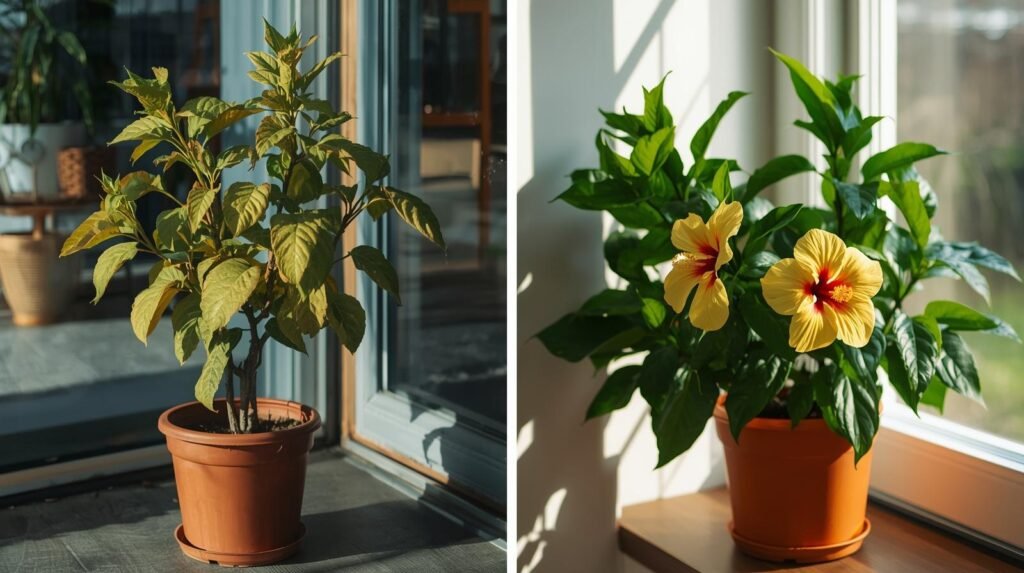
Fertilization should be reduced during winter months. Hibiscus plants require less nutrients while resting. Overfertilizing causes weak growth. Use diluted fertilizer only if necessary. Resume feeding gradually in early spring. Balanced nutrition prevents salt buildup. Winter rest allows energy conservation. Minimal feeding supports plant health. Fertilizer management is important indoors.
Pruning Hibiscus Before or During Winter
Light pruning helps manage plant size indoors. Remove weak or damaged branches before winter. Avoid heavy pruning during dormancy. Proper pruning improves airflow and shape. Clean tools prevent disease spread. Pruning reduces energy waste. Well-shaped plants adapt better indoors. Gentle pruning supports overwintering success.
Preventing Pest Problems Indoors
Indoor environments encourage pests if not managed properly. Common pests include aphids and spider mites. Inspect plants regularly during winter. Use neem oil or mild soap solutions. Isolate infected plants immediately. Clean leaves frequently. Healthy plants resist pests better. Early detection prevents infestation. Pest prevention protects indoor plants.
Managing Leaf Drop During Overwintering
Some leaf drop is normal during transition indoors. Sudden changes in light and temperature cause shedding. Gradual adjustment reduces leaf loss. Maintain consistent care routines. Avoid moving plants frequently. Leaf drop slows once plants settle. Healthy stems indicate survival. Patience is required during adjustment. Normal leaf drop should not alarm gardeners.
Dormancy Versus Active Growth Indoors
Some hibiscus plants enter partial dormancy indoors. Growth slows during winter months. Reduced flowering is normal. Leaves may thin slightly. Proper care maintains plant strength. Dormancy allows energy storage. Avoid forcing growth with excess fertilizer. Natural cycles ensure better spring blooms. Understanding dormancy prevents mistakes.
Repotting Hibiscus During Winter: Should You?
Repotting during winter is usually not recommended. Disturbing roots causes stress. Only repot if root rot or severe issues exist. Wait until spring for routine repotting. Stable roots help overwintering success. Minimal disturbance supports recovery. Repotting timing affects plant health. Winter stability is more important than growth.
Transitioning Hibiscus Back Outdoors in Spring
Spring transition requires gradual reintroduction to outdoor conditions. Start by placing plants outdoors for short periods. Increase exposure slowly over days. Avoid direct sunlight initially. Gradual acclimation prevents shock. Monitor temperature changes carefully. Healthy transition ensures vigorous growth. Spring care determines summer blooms.
Common Overwintering Mistakes to Avoid
Many gardeners overwater hibiscus indoors. Insufficient light is another common mistake. Sudden temperature changes cause stress. Skipping pest inspection leads to infestations. Overfertilizing weakens plants. Learning from mistakes improves success. Consistency is key. Simple care works best. Avoiding errors ensures survival.
Benefits of Overwintering Hibiscus Indoors
Overwintering preserves mature plants year after year. Indoor care saves money on replacements. Plants bloom earlier in spring. Healthy hibiscus grows stronger each season. Indoor overwintering ensures continuity. Gardening becomes more rewarding. Preserved plants offer better flowers. Indoor care protects investment and effort.
Hibiscus Overwintering Care Summary Table
| Care Aspect | Best Practice |
|---|---|
| Light | Bright indirect sunlight |
| Watering | Reduced but consistent |
| Temperature | Warm and stable |
| Humidity | Moderate to high |
| Fertilization | Minimal during winter |