Introduction to Pumpkin Seed Production
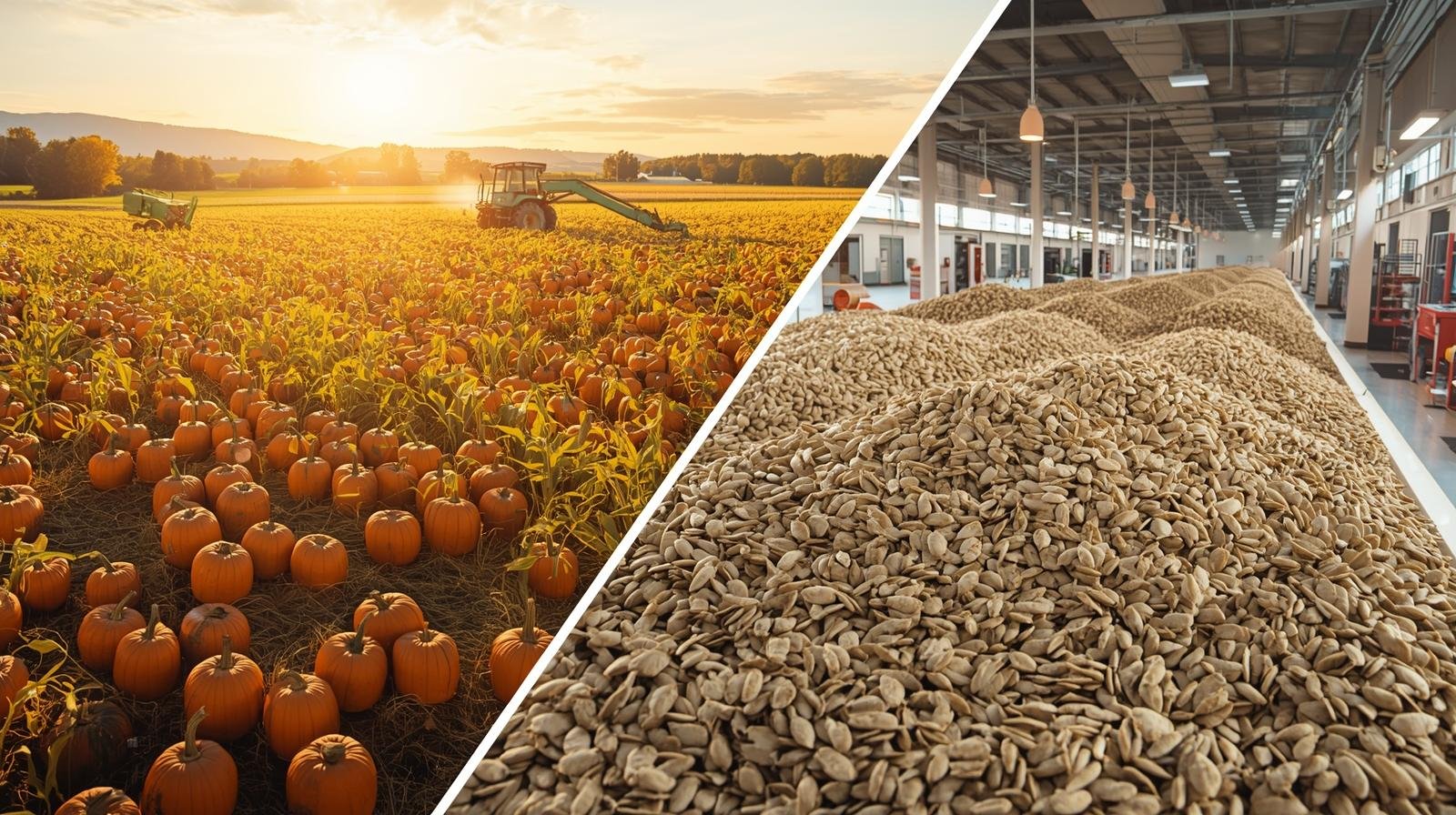
Pumpkin seeds, also called pepitas, are valued for their nutritional content, including healthy fats, protein, and minerals. Global demand has increased due to health trends and culinary uses. Pumpkin seed production depends on climate, soil quality, and farming practices. Understanding the leading producer helps businesses, chefs, and consumers track supply chains. This article explores the top-producing country and factors behind its dominance. It also provides insights into global cultivation trends.
Nutritional Value of Pumpkin Seeds
Pumpkin seeds are rich in magnesium, zinc, and omega-3 fatty acids. They are consumed raw, roasted, or as oil extracts. Health-conscious consumers increasingly prefer pumpkin seeds for snacks and baking. Regular consumption supports heart health, immunity, and energy. Their global popularity drives demand. Nutritional benefits are a major factor in production growth. Production countries respond to market needs accordingly.
Historical Background of Pumpkin Cultivation
Pumpkins originated in the Americas and were cultivated by indigenous communities. Pumpkin seeds were traditionally used as food and medicine. European colonization spread pumpkins worldwide. Over time, selective breeding improved yield and seed size. Modern agriculture has refined production techniques. Understanding history highlights production evolution. Historical cultivation influences current market trends.
Global Pumpkin Seed Market
The global pumpkin seed market includes raw seeds, oil, and processed snacks. Demand is concentrated in Europe, North America, and Asia. Market growth is fueled by nutrition trends, baking needs, and dietary supplements. Production has increased to meet international demand. Exporting countries benefit from high-value seeds. Supply chain management ensures availability year-round. Market research guides farmers on profitable varieties.
Factors Influencing Pumpkin Seed Production
Climate, soil fertility, irrigation, and farming methods determine yield. Warm temperatures and well-draining soil favor seed production. Fertilization enhances seed size and weight. Pest management is essential to prevent losses. Harvesting techniques affect quality. Processing and storage ensure market-ready seeds. Efficient farming increases output and quality.
Top Producing Countries
Several countries are major pumpkin seed producers, including China, India, and the United States. Among them, China has emerged as the largest global producer in recent years. Its extensive farmland, favorable climate, and advanced cultivation techniques boost production. China supplies both domestic consumption and international export markets. Large-scale commercial farms dominate the sector. Efficient logistics support global distribution.
Why China Leads in Production
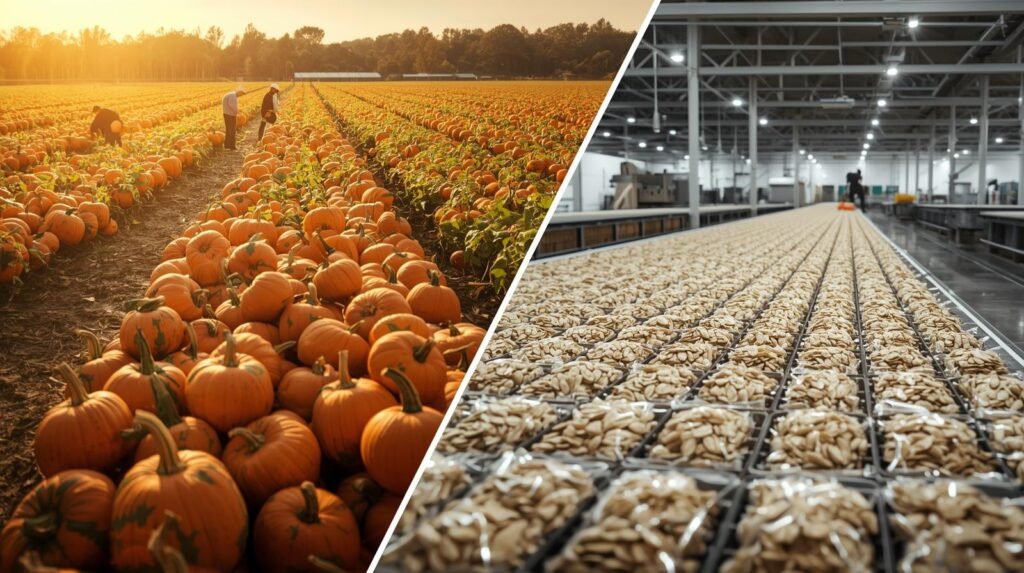
China’s dominance is due to vast arable land, mechanization, and government support. Farmers adopt hybrid seed varieties with higher yields. Advanced irrigation techniques maintain soil moisture. Post-harvest processing facilities ensure quality seeds. Consistent monitoring reduces crop losses. Export infrastructure allows global supply. Investment in agricultural technology sustains production leadership.
Popular Pumpkin Varieties for Seed Production
Varieties with large, nutrient-rich seeds are preferred for commercial production. Styrian pumpkin varieties are popular for oil extraction. Hybrid types produce uniform seeds with high germination rates. Selection of varieties impacts market demand. Local adaptations improve resilience. Choosing the right pumpkin type enhances profitability. Cultivation techniques are tailored to each variety.
Harvesting Techniques
Pumpkin seeds are harvested when fruits reach maturity. Manual or mechanical methods are employed. Seeds are extracted, cleaned, and dried for storage. Proper harvesting prevents mold and spoilage. Timing ensures maximum nutritional value. Harvesting techniques influence market quality. Efficient harvests support large-scale production.
Post-Harvest Processing
After extraction, seeds are washed, dried, and sorted. Some seeds are roasted or salted for retail sale. Pumpkin seed oil is extracted using cold-press methods. Quality control ensures seed size and color consistency. Packaging protects freshness. Post-harvest care maintains nutritional integrity. Modern facilities improve efficiency and output.
Export Trends
China exports pumpkin seeds primarily to Europe, the USA, and Asia. Export demand favors large, uniform seeds suitable for food processing. Trade agreements and logistics influence market access. Export revenue benefits farmers and the national economy. International demand drives production innovation. Export strategies ensure competitive positioning.
Market Prices and Economics
Pumpkin seed prices vary by quality, processing, and variety. Higher-quality seeds fetch premium prices. Bulk production reduces costs and improves profit margins. Global pricing is affected by supply and demand fluctuations. Farmers monitor market trends to optimize revenue. Economic planning encourages sustained production. Market awareness ensures competitiveness.
Health Benefits Driving Demand
Rising awareness of health benefits fuels consumption. Pumpkin seeds are consumed as snacks, in cereals, and in oils. Nutritional trends increase market growth. Consumers prioritize organic and pesticide-free seeds. Health-driven demand encourages large-scale farming. Nutritional popularity supports China’s production leadership.
Environmental Conditions Required
Pumpkins require well-drained soil, moderate rainfall, and sunlight. Irrigation management prevents water stress. Soil pH and fertility affect seed size. Temperature control influences growth rate. Climate conditions impact both quality and quantity. Sustainable practices improve long-term productivity. Environmental awareness guides efficient farming.
Challenges in Pumpkin Seed Production
Challenges include pest infestations, climate variability, and soil depletion. Storage and transportation must prevent spoilage. Competition from other producing countries affects pricing. Disease-resistant varieties help reduce losses. Technological adoption mitigates environmental risks. Effective management ensures consistent supply. Addressing challenges is key for leadership in production.
Comparison with Other Top Countries
China produces the highest volume, followed by India and the USA. India mainly produces seeds for domestic use, while the USA focuses on niche markets. European countries grow Styrian varieties for high-end oil. China’s large-scale farming provides an unmatched advantage. Understanding production differences informs market strategies. Comparative analysis reveals competitive edges.
Future Trends in Production
Technological innovation and precision farming will drive future growth. Organic pumpkin seed farming is gaining attention. Automation reduces labor costs and improves consistency. Climate-resilient varieties will secure sustainable output. Export expansion to new regions is likely. Investment in R&D ensures production leadership. Future trends favor high-quality, sustainable seeds.
Pumpkin Seed Production Summary Table
| Aspect | Details |
|---|---|
| Largest Producer | China |
| Popular Varieties | Styrian, Hybrid |
| Key Factors | Climate, soil, irrigation |
| Export Destinations | Europe, USA, Asia |
| Market Drivers | Nutrition trends, demand |
Conclusion
China is the largest pumpkin seed producer globally, supported by favorable climate, large farmland, and advanced techniques. Rising demand, health awareness, and export markets drive production growth. Understanding cultivation, harvesting, and market trends provides insight into global supply. Future trends focus on sustainability and quality. Consumers and businesses can benefit from the stable and abundant supply of high-quality pumpkin seeds.