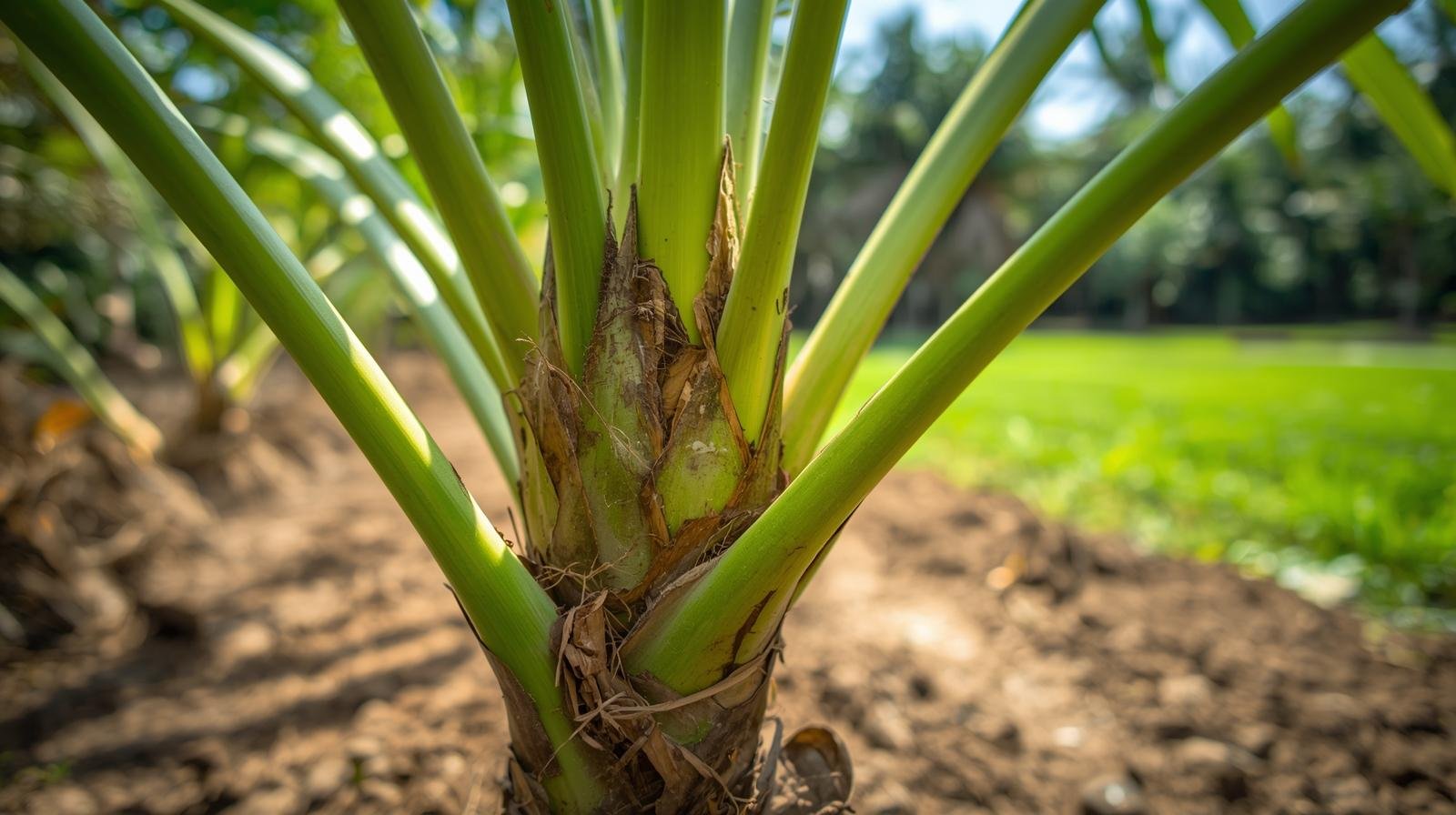
Introduction to Modern Coconut Cultivation
Coconut is traditionally considered a slow-growing palm, but new cultivation techniques have transformed how coconut plants are grown today. By focusing on root activation, soil structure, and moisture management, farmers and home growers can achieve faster establishment and healthier palms.
Selecting the Right Coconut Variety
Choosing the right coconut variety is crucial. Dwarf and hybrid coconut varieties perform best with modern techniques, offering earlier nut production and better adaptability to different soil conditions.
Ideal Climate and Location Selection
Coconut plants thrive in warm, humid climates with plenty of sunlight. Selecting an open area with full sun exposure ensures continuous growth and better nutrient absorption.
Soil Preparation for Strong Root Development
Loose, sandy-loam soil enriched with organic compost improves drainage and aeration. Deep soil preparation helps roots penetrate easily and access moisture during dry periods.
Seedling Preparation and Root Activation
Before planting, coconut seedlings are treated with organic growth stimulants and beneficial microbes. This activates the root system and reduces transplant shock.
Proper Planting Technique
Seedlings are planted at the correct depth, ensuring the nut portion is partially exposed. This prevents fungal issues and improves early shoot development.
Water Management Using Deep Irrigation
Deep and regular watering during the initial years helps establish a strong root system. Waterlogging is avoided to prevent root diseases.
Nutrient Management for Faster Growth
Balanced nutrition with organic manure, nitrogen, phosphorus, and potassium supports vegetative growth and trunk development.
Mulching for Moisture Retention
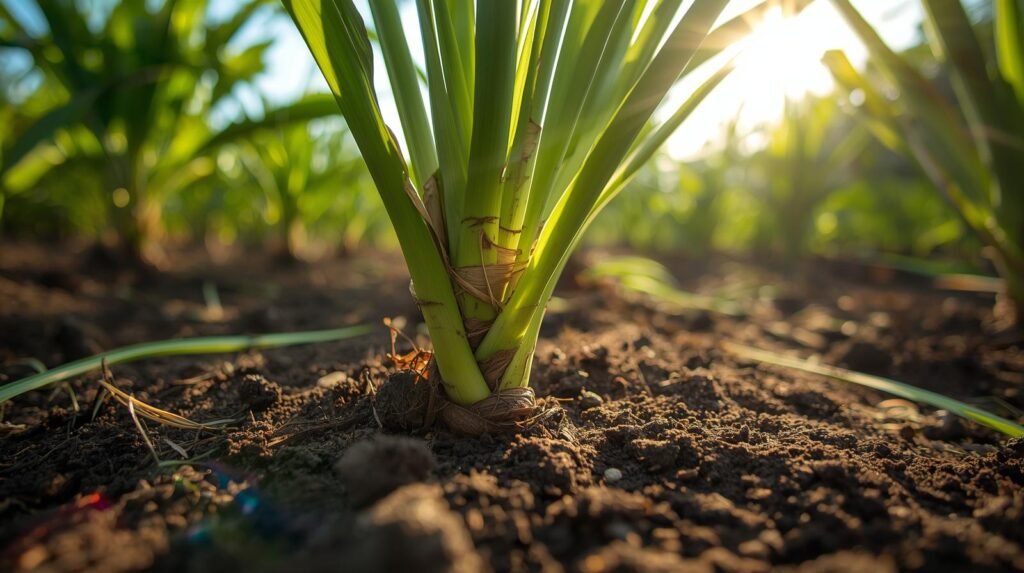
Organic mulching around the base of the plant conserves moisture, suppresses weeds, and enhances soil microbial activity.
Pest and Disease Prevention
Maintaining clean surroundings and using organic sprays helps prevent common pests such as rhinoceros beetle and fungal infections.
Canopy and Leaf Management
Removing old and damaged leaves improves airflow and reduces disease risk while directing energy to healthy growth.
Long-Term Care and Yield Improvement
Consistent feeding, irrigation, and seasonal care result in stronger palms and earlier nut production over time.
Coconut Growing Technique Comparison Table
| Method | Growth Speed | Root Strength | Yield |
|---|---|---|---|
| Traditional Method | Slow | Moderate | Average |
| New Technique | Faster | Strong | High |