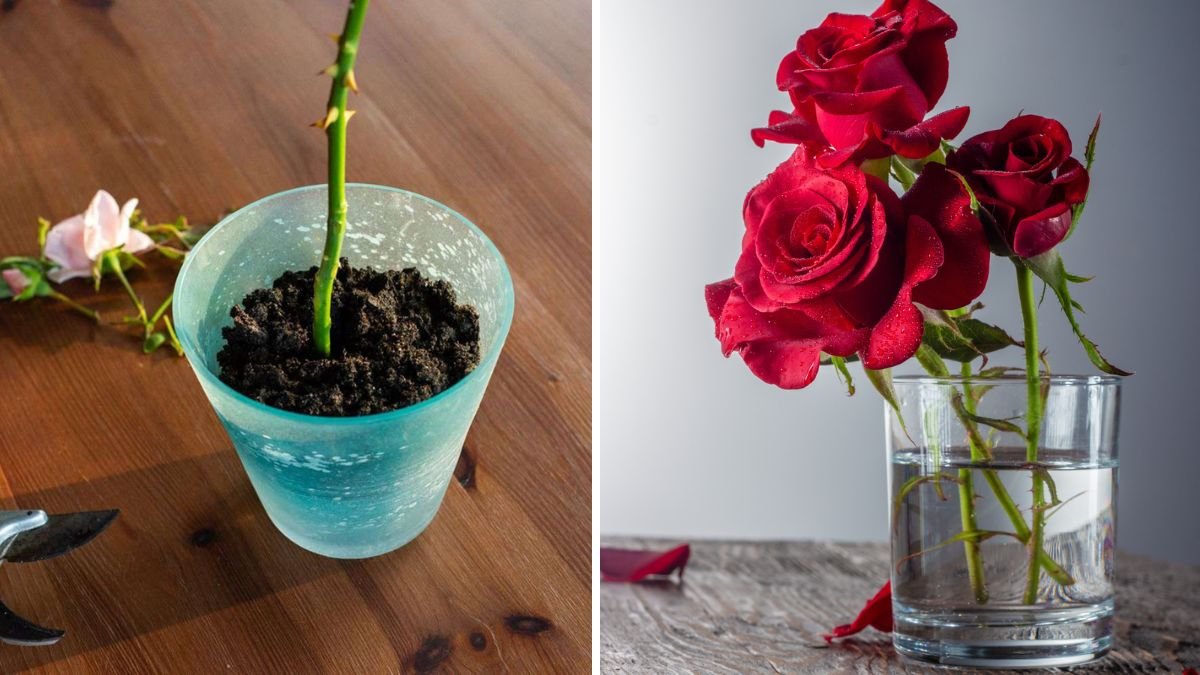
Roses are timeless symbols of beauty, love, and elegance. Their fragrance, vibrant colors, and delicate petals make them one of the most cherished flowers in gardens worldwide. While buying rose plants is easy, there’s something incredibly satisfying about growing roses from cuttings—watching life bloom from a small stem into a flourishing, flowering plant.
Growing roses from cuttings is cost-effective, rewarding, and a perfect way to multiply your favorite varieties. In this guide, we’ll explore everything you need to know: from selecting healthy cuttings to rooting, planting, and nurturing them into beautiful rose bushes.
🌱 Why Grow Roses from Cuttings?

Growing roses from cuttings offers several advantages:
- Cost-Effective: You don’t need to buy new plants every season.
- Preserve Favorite Varieties: Clone your favorite roses to maintain their color, fragrance, and shape.
- Learning Experience: It’s a hands-on, educational process for beginners and seasoned gardeners alike.
- Satisfaction: Watching roots form and flowers bloom from a simple cutting is immensely rewarding.
Unlike growing from seeds, which can take years to bloom and may not resemble the parent plant, cuttings produce true-to-type roses faster.
🌹 Choosing the Right Cuttings
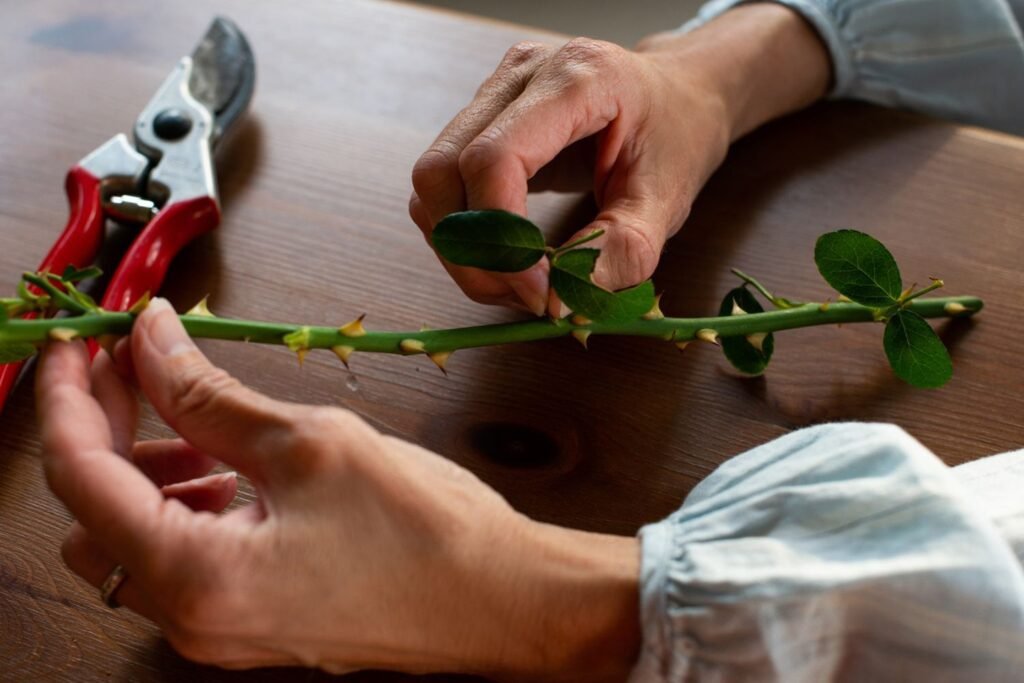
The success of rose propagation depends heavily on selecting healthy cuttings:
- Timing:
- Best done during late spring to early summer when the plant is actively growing.
- Avoid very young shoots or old, woody stems.
- Stem Selection:
- Choose semi-hardwood stems—these are firm yet slightly flexible.
- Ideally, 6–8 inches long with 3–5 leaf nodes.
- Health of the Plant:
- Select disease-free stems with no signs of pests, black spots, or mildew.
- Cut from healthy, vibrant rose bushes for the best chance of success.
Using strong, healthy cuttings ensures a higher survival and rooting rate.
✂ Preparing Rose Cuttings for Planting
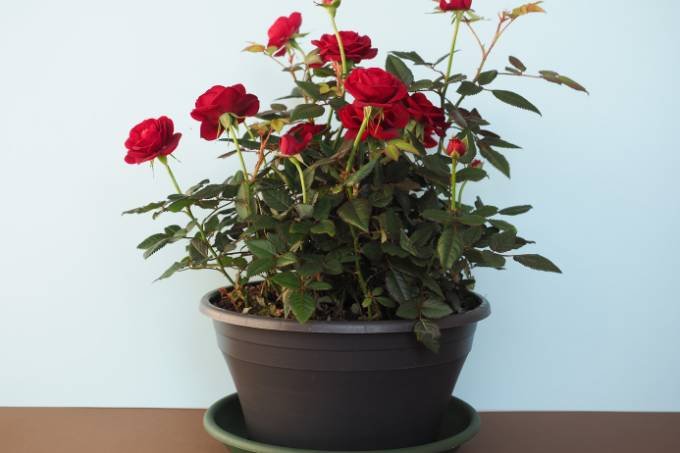
- Cut Below a Leaf Node:
- Make a clean diagonal cut just below a leaf node.
- The leaf node is where roots are likely to form.
- Remove Lower Leaves:
- Strip the leaves from the bottom half of the cutting to prevent rot.
- Keep 2–3 leaves at the top for photosynthesis.
- Optional: Apply Rooting Hormone:
- Dip the cut end in rooting powder or gel to encourage root development.
- Rooting hormones increase success rates, especially for woody stems.
Proper preparation sets the stage for faster rooting and stronger plants.
🪴 Planting Rose Cuttings
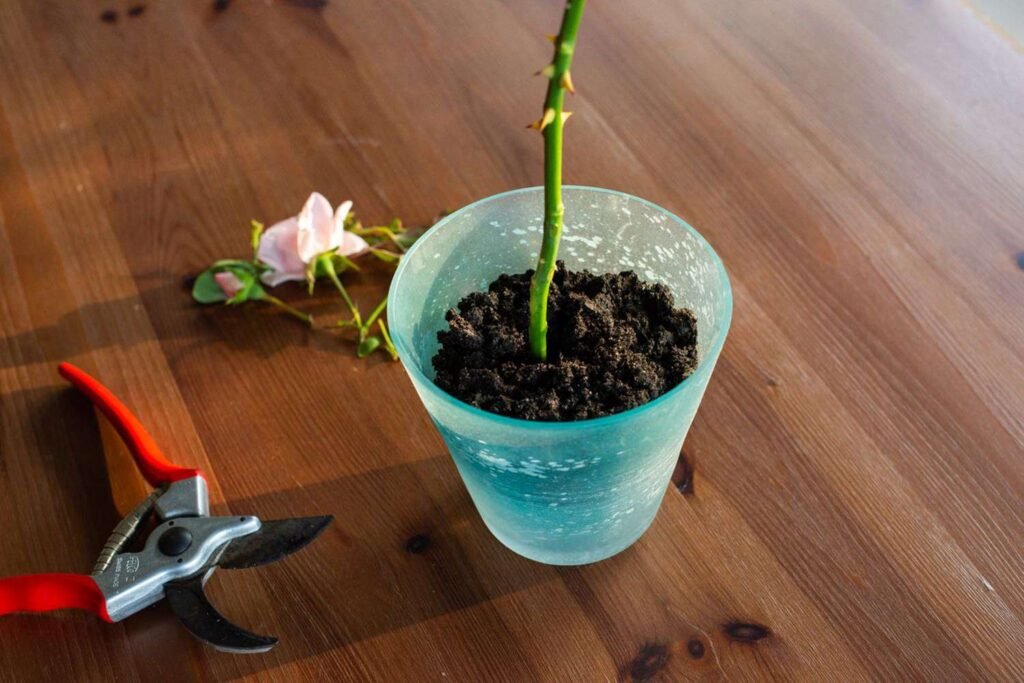
1. Choosing the Right Medium
- Roses root well in a well-draining, nutrient-rich medium.
- Options include:
- Mixture of sand and peat moss (50:50)
- Potting mix with added perlite for aeration
- Avoid heavy garden soil that retains water and may rot cuttings.
2. Planting Technique
- Make a hole in the soil using a stick or pencil.
- Insert the cutting 2–3 inches deep.
- Firm the soil around the cutting to remove air pockets.
- Water gently to settle the soil.
Planting at the right depth ensures stability and encourages root growth.
💧 Caring for Rose Cuttings
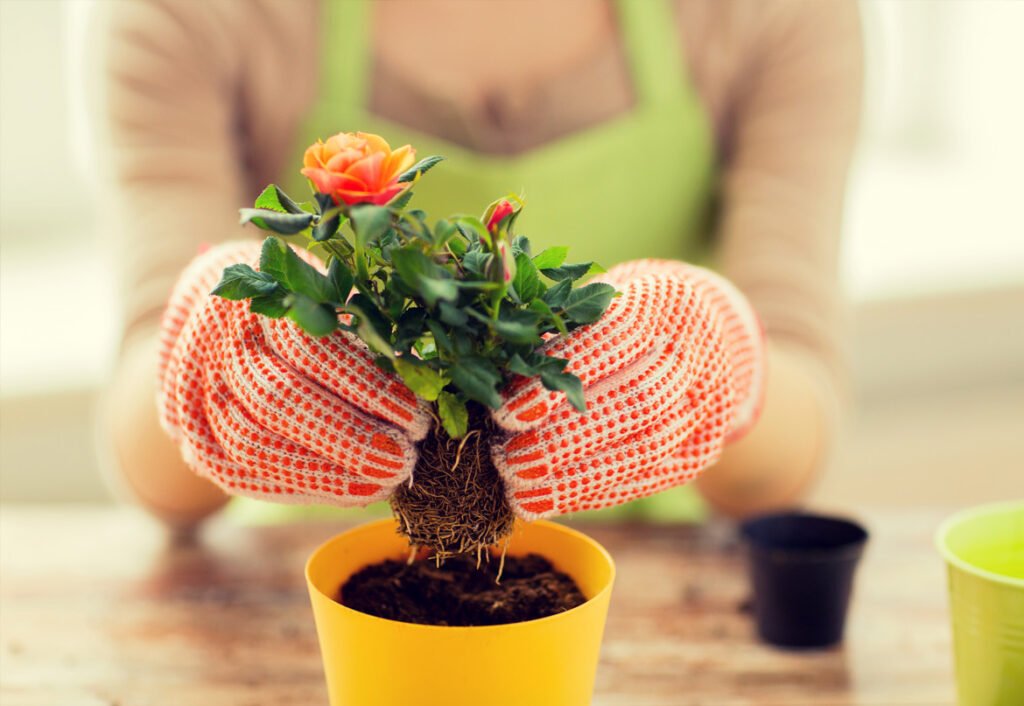
Proper care is crucial during the rooting phase:
- Watering:
- Keep the soil moist but not soggy.
- Mist leaves lightly if humidity is low.
- Humidity:
- Cover cuttings with a plastic bag or clear bottle to maintain humidity.
- Ensure some ventilation to prevent mold or fungal growth.
- Light:
- Place in indirect sunlight, not harsh direct sun, which can stress the cutting.
- Filtered light encourages growth without drying out leaves.
- Temperature:
- Ideal rooting temperature is 65–75°F (18–24°C).
- Avoid cold drafts or overly hot spots.
With patience and proper care, roots usually develop in 4–6 weeks.
🌱 Transplanting Rooted Cuttings
Once roots are well-established:
- Check Root Development:
- Gently tug on the cutting; resistance indicates root formation.
- Roots should be white and healthy.
- Prepare Pots or Garden Beds:
- Use nutrient-rich, well-draining soil.
- Add compost or organic fertilizer for initial growth.
- Transplant Carefully:
- Dig a hole slightly larger than the root ball.
- Place the cutting and fill soil around roots.
- Water thoroughly to settle soil.
Transplanting carefully ensures the cutting adapts quickly to its new environment.
🌹 Ongoing Care for Young Roses
- Watering: Keep soil moist but not waterlogged.
- Fertilizing: Use a balanced fertilizer every 3–4 weeks during the growing season.
- Pruning: Remove weak or damaged shoots to encourage strong growth.
- Pest Management: Watch for aphids, spider mites, and fungal infections. Use organic sprays if necessary.
- Mulching: Helps retain soil moisture and protects roots from temperature extremes.
Proper care after transplanting ensures your roses grow into healthy, flowering plants.
🌸 Encouraging Flowering
- Young roses may take a few months before flowering.
- Ensure adequate sunlight (6–8 hours per day).
- Fertilize with phosphorus-rich fertilizer to stimulate blooms.
- Regular pruning and deadheading spent blooms encourage continuous flowering.
With time, your cuttings will transform into beautiful, fragrant rose bushes.
🌎 Tips for Success When Growing Roses from Cuttings
- Always use healthy, semi-hardwood stems.
- Keep cuttings humid and warm during rooting.
- Use rooting hormone for higher success rates.
- Ensure well-draining soil to prevent rot.
- Provide indirect sunlight during the initial rooting phase.
- Gradually acclimate rooted cuttings to outdoor conditions before planting in the garden.
- Be patient—roses take time to develop roots and flowers.
Following these tips increases your chances of creating thriving rose plants from a single cutting.
🌹 Advantages of Growing Roses from Cuttings
- Clone Your Favorites: Maintain the same color, fragrance, and bloom type as the parent plant.
- Budget-Friendly: Multiply roses without spending on new plants.
- Creative Gardening: Experiment with unusual or rare varieties.
- Sustainable: Reduce waste by using cuttings from existing plants instead of buying new ones.
🌸 Final Thoughts: Growing Roses from Cuttings
Growing roses from cuttings is a rewarding and accessible way to expand your garden. With the right selection, preparation, and care, even beginners can successfully propagate roses and enjoy lush, fragrant blooms year after year.
From choosing healthy cuttings to rooting them in soil, transplanting, and nurturing them into strong, flowering plants, the journey is as fulfilling as the result. Whether you want to fill your garden with colors, fragrance, or simply enjoy the joy of gardening, growing roses from cuttings is an ideal and sustainable method.
Start with a few cuttings today, and in a few months, you’ll have your very own rose bushes, a testament to patience, care, and the beauty of nature.