How to Grow Prickly Pear in Edible Landscaping for a Thriving Garden
Edible landscaping has surged in popularity as more people seek to blend the beauty of ornamental plants with the practicality of growing food. One standout plant suited for this purpose is the prickly pear cactus (Opuntia spp.). Known for its vibrant flowers, unique texture, and nutritious fruit, the prickly pear is a versatile and resilient addition to any garden. This article will explore the numerous benefits of incorporating prickly pear into edible landscaping, offer tips on how to grow and care for it, and provide ideas for integrating it into a thriving garden.
Why Choose Prickly Pear?
1. Aesthetic Appeal
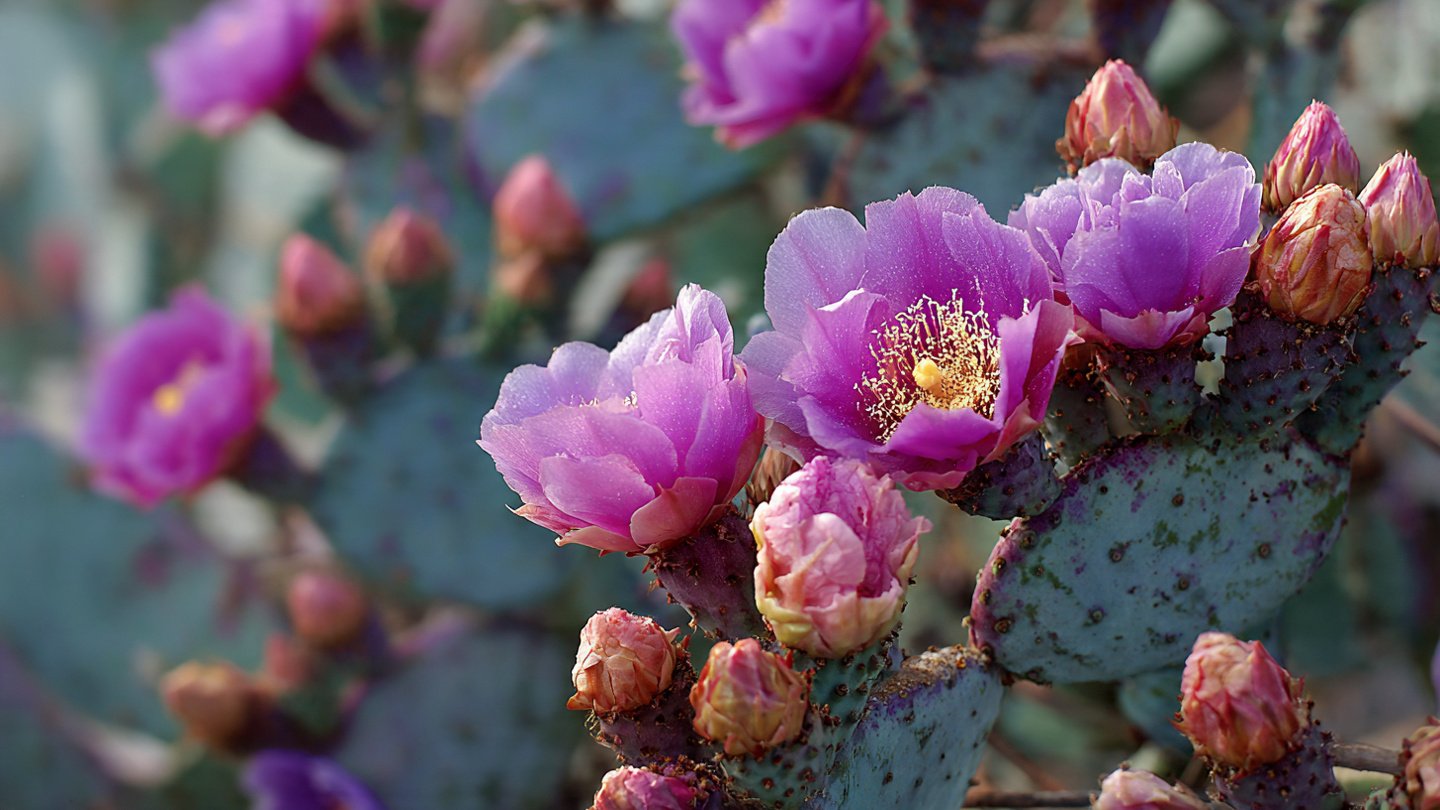
Prickly pear cacti boast striking features, from their flat pads adorned with spines to their bright yellow, red, or purple flowers that bloom in the summer. This dramatic visual impact makes them attractive focal points in any garden.
2. Nutritional Benefits
The prickly pear fruit, or “tuna,” is not only visually appealing but also packed with nutrients. It is rich in antioxidants, vitamin C, fiber, and minerals like magnesium and potassium. The pads (called “nopales”) are also edible and are commonly used in Mexican cuisine.
3. Sustainability
Prickly pear cacti are drought-tolerant and thrive in arid conditions, making them an excellent choice for sustainable landscaping. They require minimal water and are generally pest-resistant, making them a low-maintenance option for any gardener.
4. Wildlife Attraction
Prickly pear attracts various pollinators, including bees and butterflies. Additionally, many birds enjoy feeding on the fruits, enhancing your garden’s ecological value.
Choosing the Right Variety
Before planting, it’s essential to choose the right variety of prickly pear for your climate and aesthetic preferences. Some popular options include:
- Opuntia ficus-indica: The most commonly cultivated prickly pear, known for its large fruit and nutritional value.
- Opuntia engelmannii: A hardy variety that’s drought-tolerant and produces smaller fruits.
- Opuntia basilaris: Known for its striking blue-green pads and beautiful flowers.
Planting Prickly Pear Cactus
1. Selecting the Right Location
Prickly pear thrives in full sunlight, so choose a location that receives at least six hours of direct sunlight each day. Ensure the area also has well-draining soil to prevent root rot.
2. Soil Preparation
Although prickly pear is adaptable to various soil types, it flourishes in sandy or rocky soils with a pH of 6.0 to 7.0. If you have dense or clayey soil, consider amending it with sand or gravel to enhance drainage.
3. Spacing and Planting
When planting prickly pear, remain mindful of spacing. Each plant needs about three to six feet of space to grow comfortably. For planting:
- Digging Holes: Prepare holes that are twice the size of the root ball.
- Planting Tips: Wear gloves to protect yourself from the spines. Place the cactus into the hole, and fill it with soil, gently compressing it around the base.
4. Watering After Planting
Initially, water the newly planted prickly pear sparingly, allowing the soil to dry out between waterings. After the first few weeks, reduce watering frequency, as established plants are sensitive to overwatering.
Caring for Your Prickly Pear
1. Watering
Prickly pear cacti are drought-tolerant and require minimal water once established. Water deeply during prolonged dry spells, typically once every few weeks. Monitor the soil’s moisture level—allow it to dry completely between waterings.
2. Fertilizing
Fertilization is generally not necessary, but if desired, use a balanced, slow-release fertilizer during the growing season (spring and summer). Avoid over-fertilization, as it can hinder fruit production.
3. Pruning
Prickly pear requires little to no pruning. However, you can remove dead or unhealthy pads to promote better air circulation and growth. When pruning, use gloves and a sharp knife to minimize damage.
Managing Pests and Diseases
Prickly pear is relatively pest-resistant, but common issues may include:
- Scale Insects: These can be removed manually or treated with insecticidal soap.
- Fungal Diseases: Ensure good air circulation and avoid overwatering to prevent issues like root rot.
Harvesting Prickly Pear Fruit
Fruit typically matures in late summer to early fall. To harvest:
- Timing: Look for plump, brightly colored fruits; these are ready to be harvested.
- Gloves are Essential: Wear gloves to protect your hands from the spines.
- Harvesting Method: Using a pair of tongs or a knife, gently twist or cut the fruit from the pads.
Once harvested, prickly pear fruit can be eaten raw, juiced, or used to make jellies and syrups. The pads can be harvested at any time and prepared in dishes like tacos or salads.
Integrating Prickly Pear into Your Edible Landscape
1. Garden Design Principles
When creating an edible landscape, ensure to incorporate design elements that consider functionality, beauty, and maintenance. Prickly pear can serve as:
- Border Plants: Use as a living fence or border.
- Foundation Plants: Ideal for planting around the base of walls or buildings.
- Accent Plants: Place as a focal point in decorative rock gardens or xeriscaping designs.
2. Companion Planting
Consider planting prickly pear alongside other drought-tolerant plants like lavender, rosemary, or agave. This combination not only enhances the visual appeal but can also attract needed pollinators.
3. Seasonal Interest
Choose a blend of plants to ensure your garden remains visually compelling throughout the seasons. The colorful blooms of prickly pear in summer can be complemented by fall foliage from other plants, creating year-round interest.
Sustainability and Environmental Benefits
Running a garden with prickly pear is not only about aesthetics and taste; it also promotes sustainability:
- Water Conservation: Drought-tolerant plants conserve water, reducing the overall garden’s water footprint.
- Carbon Sequestration: Cacti contribute to capturing carbon, aiding in combating climate change.
Conclusion
Incorporating prickly pear into your edible landscape allows you to create a garden that is not only productive but also visually striking and ecologically friendly. With a little knowledge about planting, care, and harvest, you can enjoy the myriad benefits of this resilient plant. As you watch your prickly pears thrive, you’ll appreciate not just the beauty and bounty of your garden, but also your role in creating a sustainable, edible landscape that can nourish both body and soul.
Embrace the adventure of growing prickly pear, and breathe new life into your garden with a plant that beautifully marries function and aesthetic appeal.