Introduction
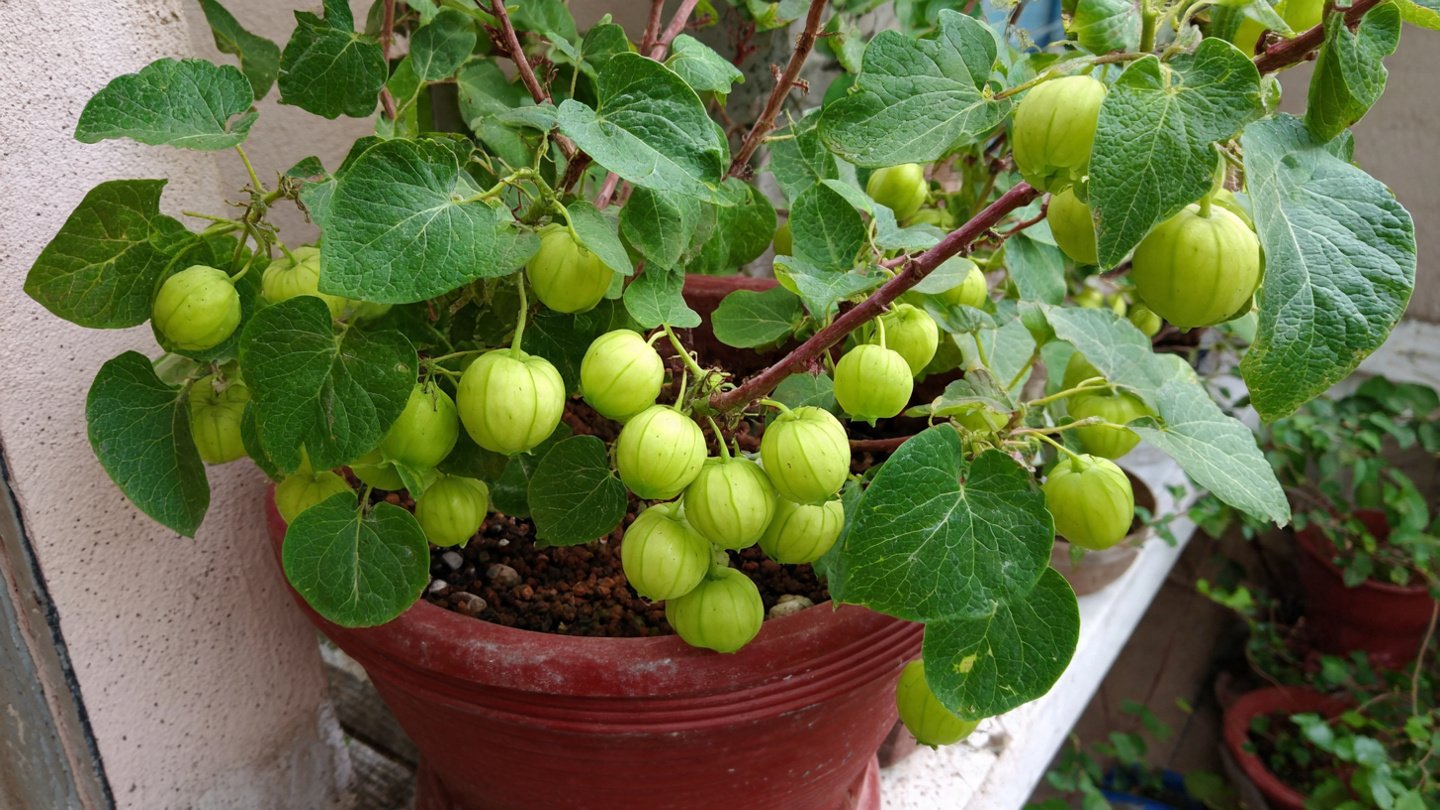
Tinda, also known as Indian round gourd or apple gourd, is a popular vegetable in many South Asian cuisines. Its light green skin and unique flavor make it a beloved ingredient in various dishes. If you’ve thought about growing your own Tinda, you might wonder whether it’s feasible to do so in pots. This article will guide you through the process of successfully growing Tinda in a pot, providing you with the best practices, tips, and tricks to cultivate this nutritious vegetable in a limited space.
Understanding Tinda
Before diving into the practical aspects of growing Tinda in pots, it’s essential to understand what makes this vegetable unique. Tinda is a creeping vine belonging to the Cucurbitaceae family, which also includes cucumbers, pumpkins, and gourds. This vegetable is known for its mild taste, tender texture, and high nutritional value. It’s rich in vitamins A and C, antioxidants, and fiber, making it a healthy addition to your diet.
Ideal Growing Conditions for Tinda
To grow Tinda successfully, regardless of the space type, you need to replicate the conditions found in its native environment. Here are some critical factors to consider:
-
Climate: Tinda thrives in warm tropical and subtropical climates. It requires temperatures between 20°C to 30°C (68°F to 86°F) for optimal growth. If you live in a cooler region, consider starting your seeds indoors until the temperature warms up.
-
Soil: Opt for well-drained, loamy soil rich in organic matter. Tinda prefers a slightly acidic to neutral pH (6.0 to 7.0). You can enhance soil quality by incorporating compost or well-rotted manure.
-
Light: Tinda plants require full sun for at least 6-8 hours per day. Choose a location that receives abundant sunlight to ensure robust growth.
-
Water: Regular watering is crucial, especially during the flowering and fruiting stages. However, ensure the soil remains well-drained to prevent root rot.
Choosing the Right Pot
Choosing the right pot is one of the most crucial steps in growing Tinda successfully. Here are some tips for selecting an appropriate container:
-
Size: The pot should be at least 12-18 inches deep and wide. Tinda plants develop extensive root systems, so adequate space is vital.
-
Material: Clay, terracotta, or plastic pots work well. Ensure they have drainage holes to allow excess water to escape.
-
Weight: Consider the weight of the pot, especially if you plan to move it around. Heavier pots tend to retain moisture longer.
Planting Tinda Seeds
Once you’ve gathered all the necessary materials, it’s time to plant your Tinda seeds.
Selecting Seeds
Choose high-quality seeds from a reliable source. You can find seeds online or at local gardening stores. Opt for disease-resistant varieties if possible.
Preparing for Planting
-
Pre-soaking Seeds: Soak the seeds in water for a few hours to enhance germination. This step helps to soften the seed coat.
-
Soil Mixture: Create a well-draining soil mix by combining equal parts of potting soil, compost, and perlite or sand.
Planting Seeds
Here’s how to plant your Tinda seeds:
-
Fill the pot with the prepared soil mixture, leaving some space at the top for watering.
-
Plant 2-3 seeds evenly spaced about 1 inch deep. Cover them lightly with soil.
-
Water gently to moisten the soil without making it soggy.
-
Place the pot in a warm area with plenty of sunlight.
Caring for Your Tinda Plants
Once your seeds have germinated and seedlings begin to emerge, it’s time to focus on care.
Watering
Water the plants consistently, ensuring the soil remains moist but not soggy. Check the top inch of the soil; if it feels dry, it’s time to water again.
Fertilizing
Feed your Tinda plants with a balanced liquid fertilizer every 2-3 weeks. Look for fertilizers high in potassium and phosphorus to promote healthy fruit production.
Support and Pruning
Tinda is a climbing vine, so providing support is essential. Here’s how to do it:
-
Trellising: Use a trellis, fence, or sturdy stake to help your plants climb. This not only saves space but also helps avoid pest issues.
-
Pruning: Regularly prune the plant to encourage bushier growth and focus energy on fruit production. Remove any dead or yellowing leaves.
Pest and Disease Management
Like all plants, Tinda is susceptible to various pests and diseases. Here’s how to manage them:
Common Pests
-
Aphids: These can be found on the undersides of leaves. You can remove them with a strong spray of water or use insecticidal soap.
-
Whiteflies: These tiny insects can cause yellowing leaves. Use sticky traps or neem oil to control their population.
-
Spider Mites: These pests thrive in dry conditions. Increase humidity around your plants and use insecticidal soap for control.
Common Diseases
-
Powdery Mildew: This fungal disease appears as white powder on leaves. Increase air circulation and avoid overhead watering.
-
Root Rot: Caused by overwatering, this can be detrimental to plants. Ensure proper drainage and allow the soil to dry out slightly between waterings.
Harvesting Tinda
Knowing when to harvest is crucial for enjoying the best flavor and texture of Tinda. Here are some tips:
-
Size: Tinda is usually ready for harvest when it reaches about 3-4 inches in diameter. They should be firm and glossy.
-
Timing: Harvest in the morning when temperatures are cooler for the best results.
-
Method: Use a sharp knife or garden shears to cut the fruit off the vine, leaving a small portion of the stem attached.
Conclusion
Growing Tinda in pots is not only possible but also rewarding. With the right care, conditions, and attention to detail, you can enjoy a bountiful harvest of this nutritious vegetable right from your balcony or garden. Follow the simple steps outlined in this guide, and you’ll find that cultivating Tinda can be an enjoyable and fulfilling gardening experience. Whether you’re a seasoned gardener or just starting out, the journey of growing Tinda in a pot is one that you won’t regret. Happy gardening!