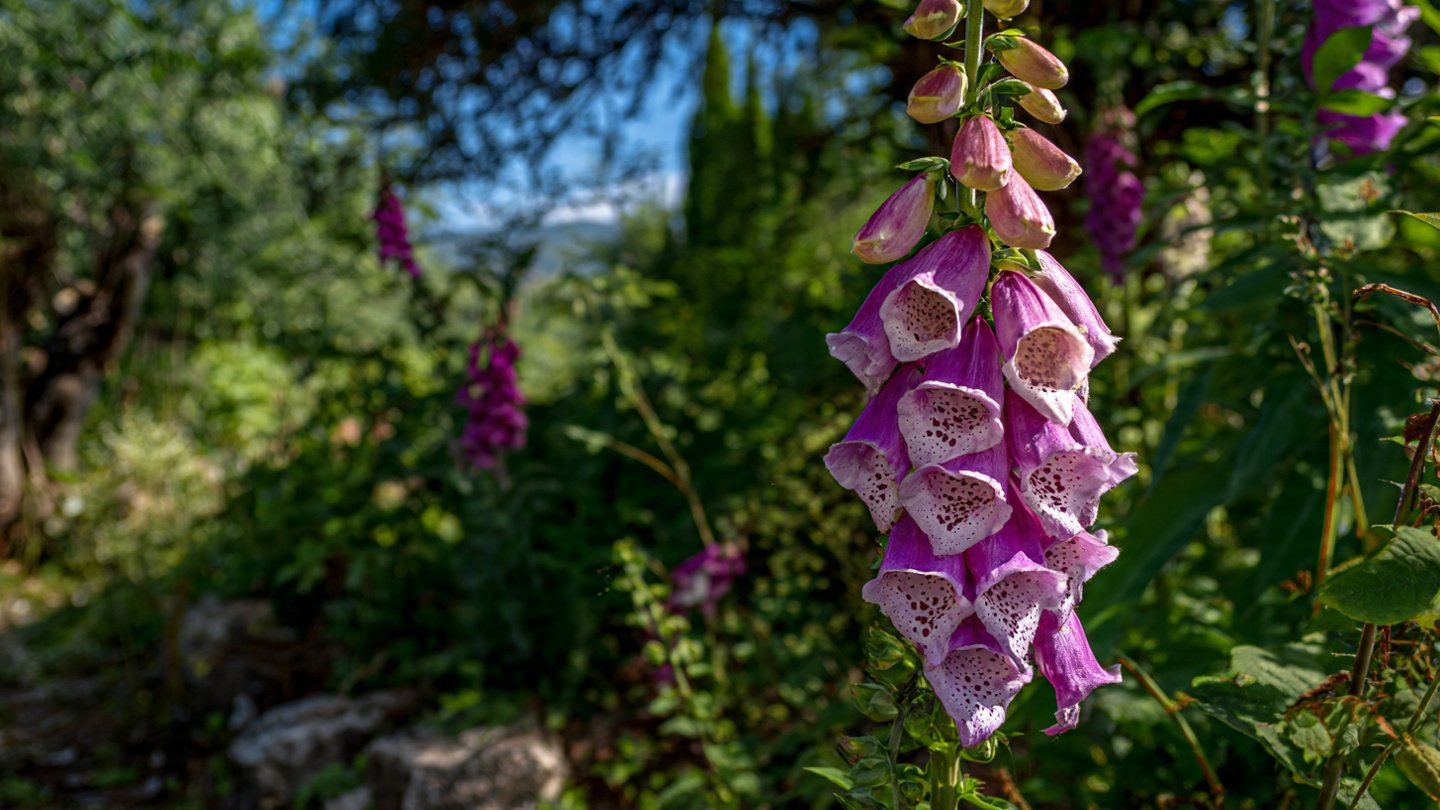
Foxglove, or Digitalis purpurea, is a stunning biennial or perennial plant cherished for its tall spires of bell-shaped flowers. These delicate blooms come in various colors, most commonly in shades of purple, pink, and white. While foxgloves can attract admiration in any garden, they also serve a unique role in attracting pollinators like bees and butterflies. For gardeners, learning how to grow foxglove from seed is a rewarding endeavor that can lead to a stunning display of flowers in your yard.
This guide will walk you through every step necessary to cultivate foxglove from seeds, from selecting the right seeds to proper sowing techniques and care.
Understanding Foxglove
Botanical Characteristics
Foxglove flowers grow on tall, erect stems that can rise from 2 to 5 feet, depending on the variety. Their leaves are large, rosette-shaped, and can be as long as 12 inches. The flowers form in clusters around the stem, and their overall look is both majestic and whimsical.
Growing Zones
Foxgloves thrive in USDA hardiness zones 4 through 9. They prefer cooler climates and can tolerate partial shade, making them ideal for many gardens. However, it’s crucial to note that in warmer zones, they may become short-lived perennials.
Choosing the Right Seeds
When it comes to growing foxglove from seed, selecting high-quality seeds is vital. Here are some tips:
-
Source Quality Seeds: Purchase seeds from a reputable nursery or gardening store. Native plant nurseries often provide the healthiest selections.
-
Know the Variety: Familiarize yourself with the different varieties available, such as Digitalis purpurea (common foxglove), Digitalis grandiflora (yellow foxglove), and Digitalis mertonensis (strawberry foxglove). Each type can have varying requirements.
-
Check Viability: Make sure the seeds are fresh. Older seeds may have reduced germination rates. Check for a packing date or expiration date on the seed packet.
Preparing for Germination
Timing
Foxgloves can be started indoors 6 to 8 weeks before the last expected frost in your area. Alternatively, you can sow them directly outdoors in early spring or late summer for fall blooms.
Materials Needed
- Foxglove seeds
- Seed starter mix or fine potting soil
- Seed trays or small pots
- Clear plastic cover or plastic wrap (optional)
- Labels and markers
Germination Process
-
Choose Containers: Use seed trays, peat pots, or any small containers with drainage holes.
-
Sow the Seeds:
- Fill your containers with the seed starter mix.
- Scatter the seeds on the surface, as they require light to germinate.
- Press the seeds lightly into the soil, but do not cover them.
-
Watering: Mist the surface gently with water to ensure the soil is evenly moist without becoming waterlogged. You can use a spray bottle for this.
-
Covering: If you’re concerned about moisture retention, cover the containers with a clear plastic cover or plastic wrap. This helps maintain humidity during germination.
-
Light Requirements: Place the seed trays in a location that receives indirect sunlight. A south-facing window or under grow lights is ideal.
Germination Period
Foxglove seeds typically take 14 to 28 days to germinate. During this period, keep the soil moist but not soggy. Monitor for signs of germination and remove any covers after the seedlings begin to sprout.
Transplanting Seedlings
Once the seedlings have developed at least two true leaves and are about 3 to 4 inches tall, it’s time to transplant them outdoors.
Choosing the Right Location
-
Sunlight: Foxgloves prefer partial shade to full sun. In warmer climates, some afternoon shade will help the plants thrive.
-
Soil: Ensure the soil is well-drained and rich in organic matter. Foxgloves love slightly acidic to neutral soil (pH 6.0-7.0).
-
Spacing: Space the seedlings 12 to 18 inches apart to allow adequate room for growth.
Transplanting Steps
-
Prepare the Site: Loosen the soil and mix in compost or well-rotted manure to enrich it.
-
Dig Holes: Create holes slightly larger than the root ball of each seedling.
-
Planting:
- Carefully remove seedlings from the seed tray, holding them by the leaves.
- Place them in their new holes and backfill with soil.
-
Watering: Water each plant thoroughly after transplanting to help settle the soil around the roots.
Caring for Foxgloves
Watering
Keep the soil moist but avoid over-watering. Foxgloves prefer slightly damp conditions but can be susceptible to root rot if over-saturated.
Fertilization
Fertilizing can support healthy growth:
- Use a diluted balanced fertilizer (10-10-10) once a month during the growing season.
- Alternatively, you can use organic options like compost or well-rotted manure.
Mulching
Apply a layer of organic mulch, such as shredded bark or straw, around the base of the plants. This helps retain moisture, suppress weeds, and keep the soil temperature consistent.
Pest and Disease Management
Foxgloves are relatively pest-resistant, but watch for aphids and slugs. If you notice pest issues, you can use insecticidal soap or neem oil.
In terms of disease, good air circulation and proper watering techniques can help minimize the risk of powdery mildew and root rot.
The Flowering Process
Depending on the variety and growing conditions, foxgloves typically bloom in late spring to early summer. The flowers attract bees and other pollinators, creating a lively and vibrant atmosphere in your garden.
Deadheading
Once the flowers begin to fade, remove the spent blooms (this is called deadheading) to encourage further flowering and prevent the plants from expending energy on seed production.
Saving Seeds
After your foxglove has finished blooming, you may want to save seeds for future planting:
- Allow Pods to Dry: Let the seed pods develop and dry on the plant.
- Collect the Seeds: Once the pods are dry, collect them and store them in a cool, dry place. Use envelopes or small containers labeled with the date and variety.
Conclusion
Growing foxglove from seed can be a fulfilling project for any gardener. With patience and proper care, these beautiful plants will flourish, bringing color and life to your garden while also aiding pollinators. From choosing the right seeds to transplanting and caring for your plants, this simple guide has covered all the essential steps to ensure success in your gardening endeavors.
So, gather your seeds and tools, and embark on your journey to cultivate stunning foxglove blooms that will capture the hearts of any passerby!