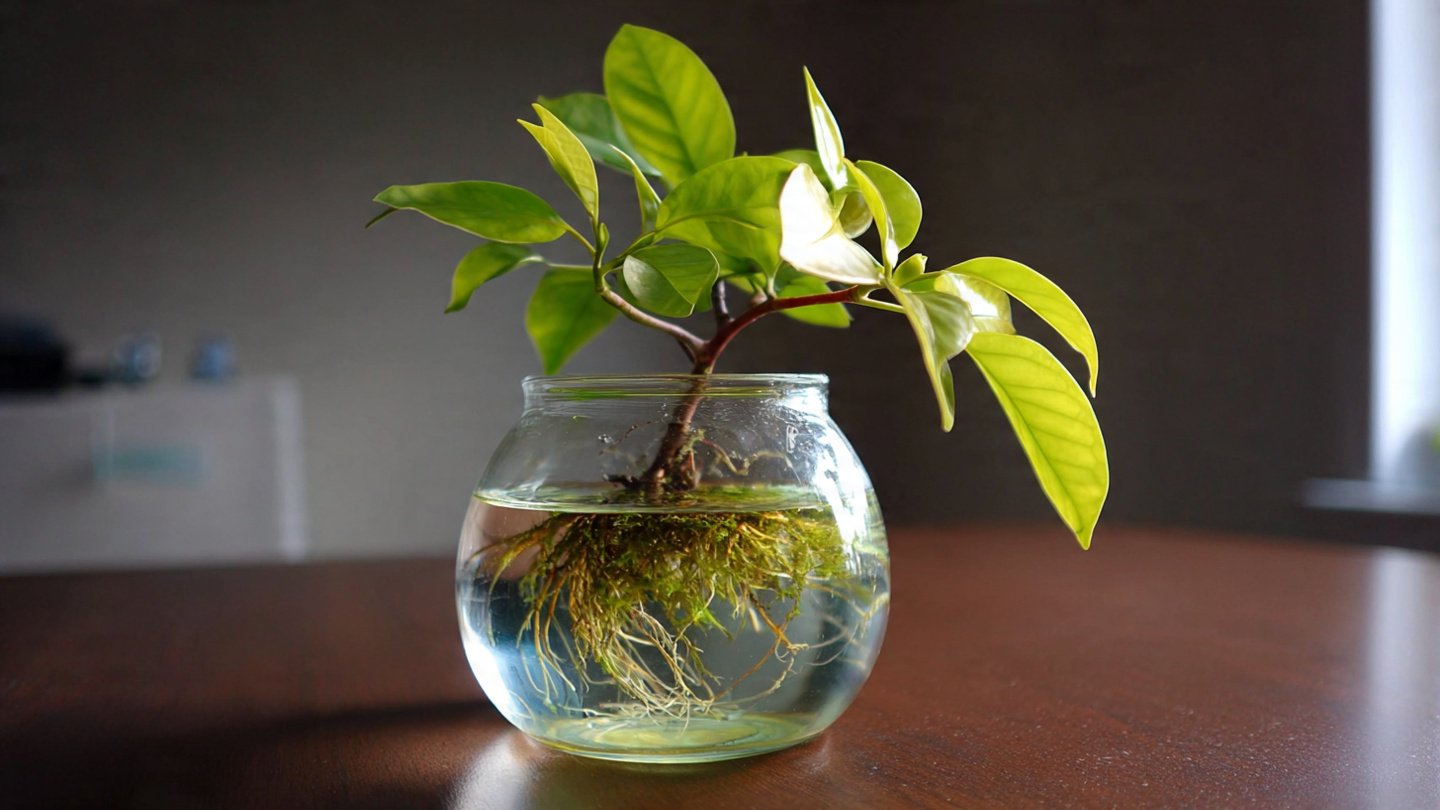
Ficus plants are beloved houseplants that bring lush greenery and a touch of elegance to interiors. Known for their glossy leaves and adaptable nature, ficus plants are relatively easy to propagate, making them a favorite among plant enthusiasts. One of the most effective and rewarding ways to propagate a ficus plant is through the water rooting method. This method is simple, requires minimal materials, and provides an excellent view of the root development process. In this article, we will explore a detailed step-by-step guide on how to successfully root a ficus plant using the water rooting method.
Why Choose the Water Rooting Method?
Water propagation offers several advantages over soil propagation, including:
- Ease of monitoring roots: Seeing the roots grow in real-time helps gauge progress.
- Reduced risk of overwatering: Since the cutting is in water, it’s less prone to drought.
- Minimal equipment needed: Just a container and water are required.
- Higher success rate: Water propagation tends to stimulate rapid root growth.
Materials Needed
Before starting, gather the following materials to ensure a smooth propagation process:
- Healthy ficus plant (preferably semi-hardwood or new growth)
- Clean, sharp scissors or pruning shears
- Clear glass or jar (to observe root growth)
- Fresh room temperature water (preferably filtered or distilled)
- Rooting hormone (optional, for enhanced root growth)
- Paper towel or clean cloth
- Labeling tape and marker (optional)
Step-by-Step Guide
1. Selecting the Right Cutting
Choosing the right cutting is crucial for successful rooting. Look for a semi-hardwood stem from the ficus plant. This means a stem that is neither too young and soft nor too old and woody. A healthy cutting should be about 4-6 inches long and have at least 2-3 leaves attached.
To select the cutting:
- Inspect the plant for healthy stems that are actively growing but firm to the touch.
- Avoid stems with any signs of disease or damage.
- Use a clean, sharp tool to make a clean cut just below a leaf node (the point where leaves attach to the stem). This is where the roots are more likely to develop.
2. Preparing the Cutting
Once you have selected your cutting, prepare it for rooting:
- Remove the lower leaves on the bottom 1-2 inches of the cutting. This prevents the leaves from rotting in the water.
- If there are any large leaves, consider trimming them by half to reduce water loss through transpiration.
- Optional: Dip the cut end of the stem in rooting hormone powder or gel. This encourages faster root growth but is not mandatory.
3. Placing the Cutting in Water
Select a clean, transparent container like a glass or jar. Using a transparent container is beneficial because it allows you to monitor root development without disturbing the cutting.
- Fill the container with filtered or distilled water at room temperature. Tap water can be used, but it’s best to leave it out for 24 hours to allow chlorine to dissipate.
- Place the cutting into the water, ensuring that the cut end is submerged, but no leaves are underwater.
- Position the container in a brightly lit area with indirect sunlight. Avoid direct sunlight as it may encourage algae growth or damage the cutting.
4. Maintaining the Cutting
Proper maintenance during the rooting process is key to success.
- Change the water every 3-4 days to keep it fresh and oxygenated. This helps prevent bacterial growth, which can harm the cutting.
- Clean the container before refilling it with water each time.
- Check for signs of rot or mold on the leaves or stem. Remove any damaged parts promptly.
- Keep the environment warm, ideally between 65-75°F (18-24°C), as ficus plants thrive in warmer temperatures.
5. Monitoring Root Growth
Within 2-4 weeks, you should start to see white roots emerging from the cut end of the stem. Roots typically grow from the nodes just below where the leaves were removed.
- Continue to keep the cutting in water until the roots are at least 2-3 inches long.
- Be patient; some cuttings may take longer to root depending on environmental factors.
6. Transferring to Soil
Once the roots are well developed, it’s time to transfer the cutting to soil.
- Prepare a small pot with well-draining potting mix, ideally containing peat moss, perlite, or orchid bark.
- Gently remove the cutting from the water, taking care not to damage the delicate roots.
- Plant the cutting in the soil, covering the roots fully.
- Water the soil lightly and keep the plant in a warm, humid environment with indirect light.
- Avoid overwatering; allow the soil surface to dry slightly between watering sessions.
7. Aftercare for the New Ficus Plant
Proper care after transplanting will ensure your new ficus plant thrives.
- Maintain humidity by misting the leaves or using a humidity tray.
- Avoid direct harsh sunlight to prevent leaf burn.
- Fertilize sparingly with a balanced, diluted fertilizer after one month to promote healthy growth.
- Watch for pests and diseases, taking action promptly if necessary.
Tips for Success
- Use healthy, disease-free cuttings to increase chances of successful rooting.
- Avoid placing water-rooted cuttings under direct sunlight to prevent overheating.
- Label your cuttings if propagating multiple plants to keep track of progress.
- Be patient; ficus cuttings generally root well, but environmental conditions can affect timing.
- Try to use a sterile cutting tool to prevent infection.
Troubleshooting Common Issues
- No root growth: Ensure the cutting is healthy and placed in bright, indirect light. Use rooting hormone if needed.
- Brown or soft stem: This may indicate rot. Remove affected parts and restart with new cuttings.
- Water turning murky: Change the water regularly and clean the container.
- Leaves turning yellow or falling off: This may be due to stress or overwatering; maintain proper humidity and avoid excessive watering once in soil.
Conclusion
Water propagation is a gratifying and straightforward way to multiply your ficus plants. By following the steps outlined above and providing attentive care, you can successfully root a ficus plant and enjoy watching the new roots develop before transplanting it into soil. With patience and practice, you’ll soon have a flourishing ficus plant that adds beauty and greenery to your home environment. Happy rooting!