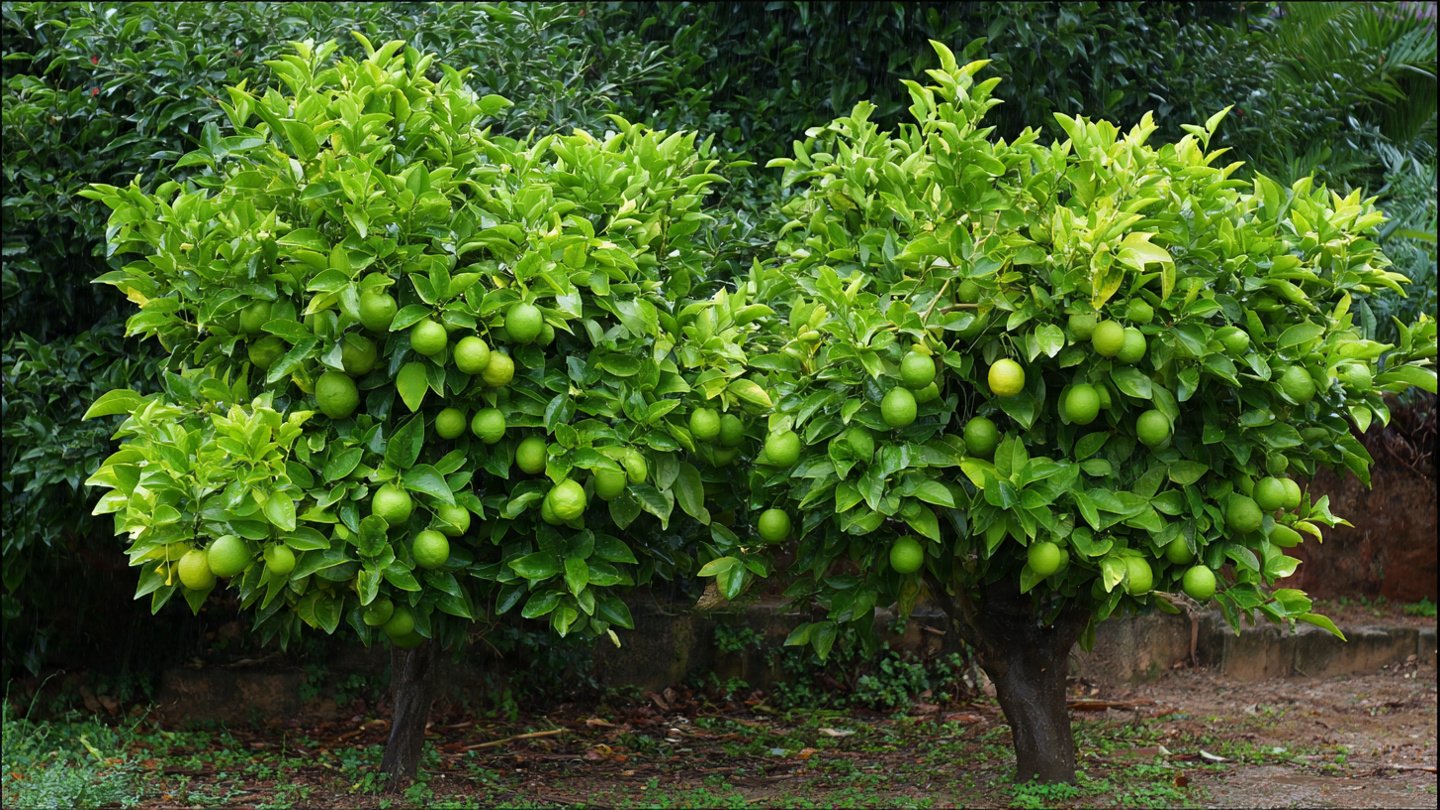
Citrus trees, particularly lime trees, have become increasingly popular among gardeners and commercial growers alike. The allure of their fragrant flowers, glossy leaves, and bountiful fruit has prompted many to take an interest in cultivating these vibrant plants. However, achieving rapid growth in lime trees requires proper techniques, care, and, importantly, a few secret tricks. In this article, we will explore effective strategies to ensure that your lime trees not only grow swiftly but also thrive, yielding an abundance of juicy fruit.
Understanding Lime Trees
Lime trees, belonging to the Citrus genus, are known for their tangy fruits used in a multitude of culinary applications and beverages. They are tropical or subtropical in nature and require specific growing conditions to flourish. The two most popular varieties are the Persian lime (Citrus latifolia) and the Key lime (Citrus aurantiifolia). Both varieties have unique needs and characteristics, but general care tips can significantly boost their growth.
The Ideal Growing Conditions
-
Climate: Lime trees thrive in warm climates. They prefer temperatures between 70°F and 100°F (21°C – 38°C) during the day and can tolerate temperatures as low as 32°F (0°C) for short periods. Understanding your local climate is crucial in planning where to plant your trees.
-
Sunlight: These trees require full sunlight to thrive—ideally, they should receive at least 8-10 hours of direct sunlight daily. A sunny location improves photosynthesis, leading to faster growth.
-
Soil: Lime trees prefer well-draining soil rich in organic matter. The ideal pH for lime cultivation ranges from 6.0 to 8.0. Heavy clay or saline soils can inhibit growth, leading to root rot and other problems.
-
Water: While lime trees prefer well-drained soils, they also need adequate moisture. Overwatering can lead to root diseases, while underwatering can stunt growth. A consistent watering routine is essential.
Secret Trick for Rapid Growth: The Citrus Fertilization Method
One of the most effective strategies to promote rapid growth in lime trees is proper fertilization. This secret trick revolves around a comprehensive approach to feeding your trees.
1. Choosing the Right Fertilizer
Opt for a balanced fertilizer specifically designed for citrus trees. Look for a nitrogen-rich formula, as nitrogen is crucial for foliage growth. A recommended N-P-K ratio for limes is 8-8-8 or 10-10-10. Additionally, ensure the fertilizer contains micronutrients such as magnesium, iron, and zinc, which are vital for citrus trees.
2. Application Timing
Timing is key when it comes to fertilization. Here’s a convenient schedule for applying fertilizer:
-
Spring (March to April): Start with a nitrogen-rich fertilizer as the trees wake from their winter dormancy. This will encourage lush growth and prepare the tree for fruiting season.
-
Early Summer (June): Apply a second round of fertilizer to support ongoing growth. This is also a good time to include slow-release formulations that will continuously feed the tree.
-
Autumn (September): As the growing season winds down, apply a lower-nitrogen fertilizer to prepare the tree for dormancy and improve root health.
3. Follow the Right Method for Application
When applying fertilizer, always follow the package instructions. A common approach involves:
-
Broadcasting: Spread the fertilizer evenly around the base of the tree, avoiding contact with the trunk. This ensures that roots can easily access the nutrients.
-
Watering: After applying fertilizer, water the tree thoroughly to ensure that the nutrients penetrate the soil and reach the root system.
Additional Factors for Successful Growth
Beyond fertilization, several factors contribute to the successful growth of lime trees.
1. Pruning
Regular pruning is essential for maintaining tree health and promoting rapid growth. By removing dead or diseased branches, you encourage airflow and light penetration throughout the canopy. Aim to prune lightly in the spring, focusing on shaping the tree and removing any undesired limbs.
2. Pest and Disease Management
Citrus trees are susceptible to various pests and diseases. Common pests include aphids, spider mites, and scale. Implement an integrated pest management strategy that includes:
-
Monitoring: Regularly inspect your trees for signs of pests or diseases.
-
Natural Predators: Introduce beneficial insects such as ladybugs that feed on pests.
-
Organic Solutions: Consider organic treatments like neem oil or insecticidal soap to minimize chemical use while managing pests effectively.
3. Watering Techniques
While lime trees need moisture, improper watering can lead to problems. Here’s how to ensure your trees stay hydrated:
-
Deep Watering: Water deeply but infrequently, allowing the topsoil to dry out between watering sessions. This encourages deep root growth.
-
Rain Gauge: Use a rain gauge or soil moisture meter to monitor soil moisture levels. Adjust your watering schedule based on rainfall.
Companion Planting for Enhanced Growth
Companion planting involves growing different plants together to improve growth rates, deter pests, or enhance flavor. Consider the following companion plants for your lime trees:
-
Marigolds: These flowers deter pests and attract beneficial insects.
-
Basil: Basil improves the growth and flavor of lime trees, while also repelling certain insects.
-
Garlic: Known for its pest-repellent properties, garlic can be planted near lime trees to deter harmful insects.
Harvesting Your Limes
Once your lime trees are thriving and producing fruit, it’s essential to know when to harvest. Limes are typically ready for harvest when they are fully green and slightly larger than when they were immature. Harvesting them promptly encourages further fruit production.
Conclusion
Achieving rapid lime growth is a rewarding endeavor that requires attention to detail, proper techniques, and a touch of patience. By focusing on the right growing conditions, utilizing secret tricks like a targeted fertilization regimen, practicing effective pruning and pest management, and considering companion planting, you can ensure your lime trees not only grow quickly but also produce an abundance of delicious fruit.
With proper care, your lime trees can become a contributing feature to your garden, providing fresh limes for culinary delights and refreshing summer beverages. Happy gardening!