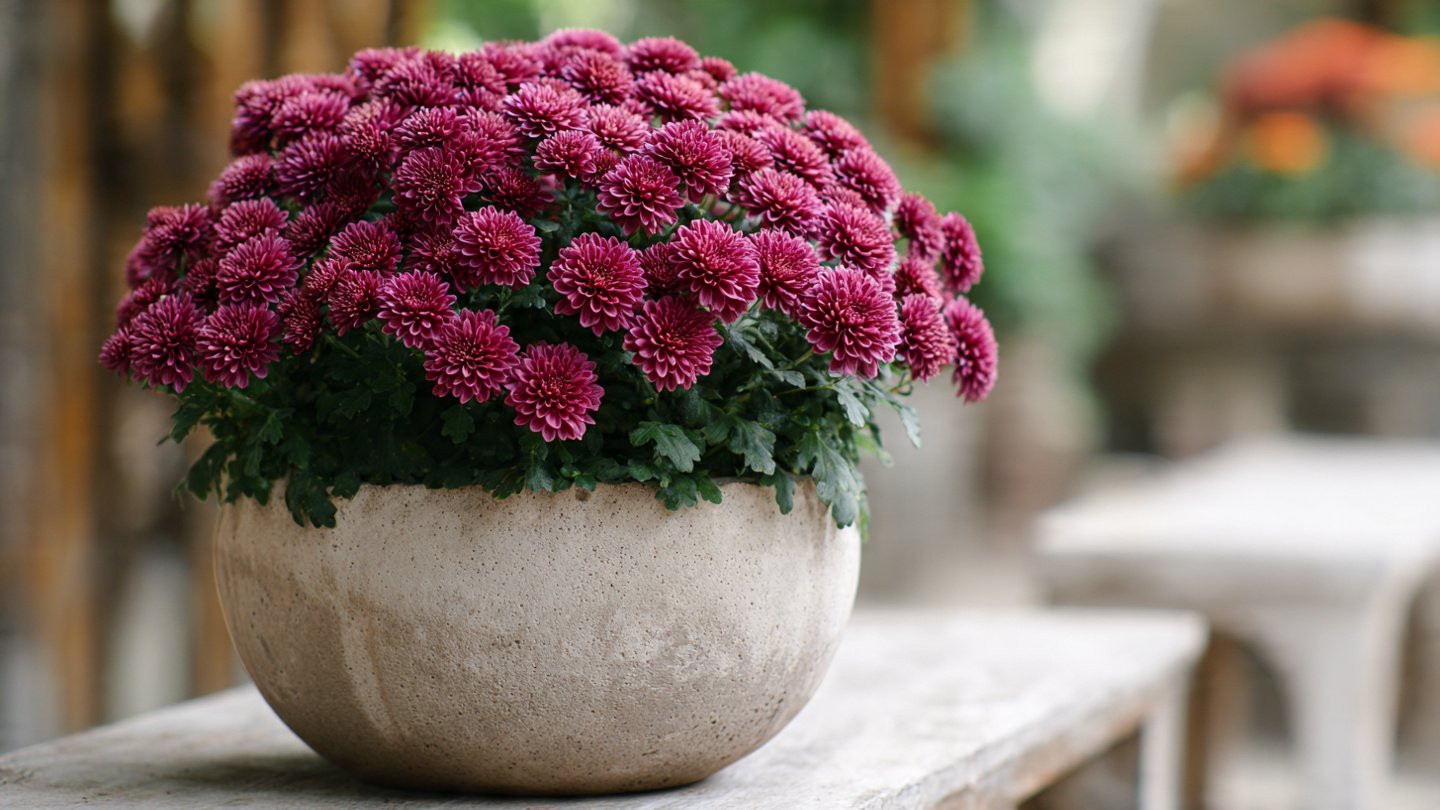
Chrysanthemums, often dubbed “mums,” are cherished for their vibrant colors and lush blooms. While they are often planted in outdoor gardens, growing compact chrysanthemums indoors can create a stunning display that enlivens any space. This article will guide you through the process of cultivating indoor chrysanthemum compact, providing you with everything from selection to care to help you achieve a flourishing home garden.
1. Understanding Chrysanthemums
1.1 Types of Chrysanthemums
Chrysanthemums come in numerous varieties, but the compact types are particularly suitable for indoor growth. These include:
- Daisy Mums: Characterized by their single-layer petals that look like daisies.
- Pompon Mums: Small, round flowers that add a delightful texture.
- Decorative Mums: These larger blooms create a dramatic effect, ideal for indoor arrangements.
1.2 Benefits of Growing Indoor Mums
- Vibrant Colors: They add an explosion of color to your home.
- Air Purification: Mums are known to purify the air, enhancing indoor air quality.
- Longevity: With the right conditions, they can bloom for several weeks.
2. Selecting the Right Variety
When choosing indoor chrysanthemums, opt for compact varieties that maintain a manageable size:
- Mum ‘Dragonfly’: A lovely option with colorful blooms.
- Mum ‘Cinderella’: Known for its round flowers and sturdy growth.
- Mum ‘Bright Golden Nugget’: Perfect for bright indoor spaces.
Visit local nurseries or gardening centers and select healthy plants with vibrant foliage and no signs of pests.
3. Ideal Growing Conditions
3.1 Light Requirements
Chrysanthemums thrive in bright, indirect light. Ideally, place them near a window where they can receive six hours of sunlight daily. Ensure that the light is filtered, as direct sun can scorch their leaves.
3.2 Temperature and Humidity
- Temperature: Mums prefer a range between 65°F to 70°F (18°C to 21°C). Avoid placing them in drafty areas or near heat sources.
- Humidity: These plants love humidity. Keep the indoor humidity level around 50-70% for optimal growth. You can achieve this by misting the plants or using a humidifier.
3.3 Soil Requirements
Use a well-draining potting mix, ideally a blend designed for flowering plants. The soil should retain some moisture without becoming soggy. A pH level of 6.0 to 7.0 is ideal for chrysanthemum growth.
4. Potting and Transplanting
4.1 Choosing the Right Pot
Select pots that provide adequate drainage holes to prevent root rot. Choose a pot that is slightly larger than the root ball of your chrysanthemum to allow for growth.
4.2 Transplanting
If you purchase your mums from a nursery, they may already be in a suitable pot. However, if you plan to transplant them:
- Remove the plant gently from its original pot.
- Loosen the root ball gently and prune any damaged roots.
- Place it in the new pot with fresh potting mix, ensuring that the base of the plant is level with the soil surface.
5. Watering Techniques
5.1 Watering Schedule
Chrysanthemums like moist soil but can be susceptible to overwatering. Check the top one inch of soil; if it feels dry, it’s time to water. Use room temperature water to avoid shocking the plant.
5.2 Tips for Effective Watering
- Water early in the day to allow moisture to evaporate, reducing the risk of fungal diseases.
- Ensure thorough drainage by watering until it runs out of the bottom of the pot but allow it to dry between waterings.
6. Fertilizing for Healthy Growth
6.1 Nutrient Needs
Fertilizing your indoor chrysanthemum is crucial for vibrant blooms. Use a balanced, water-soluble fertilizer every two weeks during the growing season, starting in the spring. A fertilizer with an NPK ratio of 15-30-15 promotes healthy growth and blooming.
6.2 Application
Dilute the fertilizer according to the package instructions, and apply it directly to the soil, avoiding the foliage to prevent burning.
7. Pruning and Pinching
7.1 Importance of Pruning
Regular pruning encourages bushier growth and more blooms. Pinching is particularly effective—by removing the tip of each stem about four to six weeks after planting, you promote side shoots and more flowers.
7.2 Pruning Techniques
- Use clean, sharp scissors to remove spent flowers.
- Pinch the top inch of the stem, taking care not to remove more than a third of the plant at once.
- Make sure to prune throughout the growing season to maintain the desired shape.
8. Pest and Disease Management
8.1 Common Pests
Indoor chrysanthemums can fall prey to several pests, including:
- Aphids: Small insects that suck sap, usually found on buds and leaves.
- Spider Mites: These tiny pests create spider web-like structures on the plant.
8.2 Treatment
- Insecticidal Soap: Use this to treat infestations.
- Neem Oil: A natural remedy that’s effective against both pests and fungal diseases.
8.3 Fungal Diseases
Common issues include root rot and powdery mildew. Ensure good airflow around the plant and avoid overhead watering to minimize these risks.
9. Encouraging Blooming
9.1 Light and Temperature Adjustment
As fall approaches, reduce temperatures slightly to encourage blooming. Continue to provide ample indirect sunlight but avoid harsh direct light.
9.2 Deadheading
Remove dead flowers promptly to encourage more budding. This practice keeps the plant looking tidy and vibrant.
10. Seasonal Care
10.1 Winter Care
In colder months, maintain a stable temperature and humidity level. Consider reducing watering frequency, allowing the soil to dry a little more between waterings.
10.2 Preparing for Spring
As spring approaches, resume regular fertilizing, watering, and light exposure to kickstart new growth and blooming.
Conclusion
Indoor compact chrysanthemums are a wonderful addition to any home garden. With their vibrant blooms, they are not only aesthetically pleasing but also beneficial for your home environment. By following the steps outlined in this guide—selecting the right variety, providing optimal growing conditions, and maintaining regular care—you can create a lush, colorful display of chrysanthemums that will brighten your indoor spaces year-round. Enjoy the process of growing these remarkable flowers, and soon enough, you’ll have a stunning indoor garden that reflects your passion for gardening.