Introduction
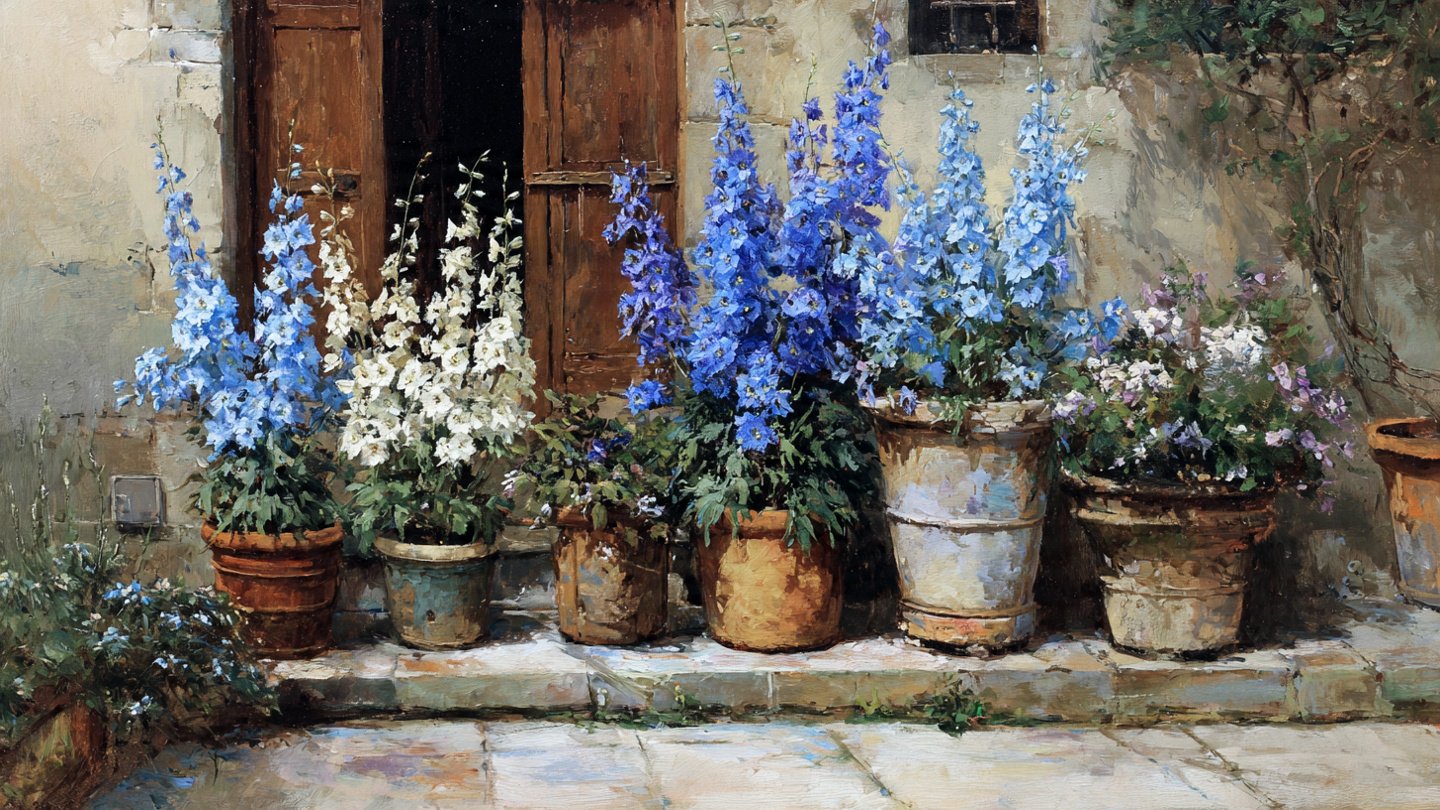
Delphiniums are stunning perennial flowers known for their tall spikes and vibrant colors, usually featured in gardens as eye-catching focal points. While they often thrive in garden beds, growing delphinium in pots offers versatility and accessibility for gardeners of all skill levels. This article will guide you through the process of successfully cultivating delphinium in pots, complete with tips and hacks to ensure your plants thrive.
Understanding Delphiniums
Before diving into the nitty-gritty of pot cultivation, it’s essential to understand the delphinium plant itself. Delphiniums belong to the Ranunculaceae family and offer a range of colors, including blue, purple, pink, and white. They typically bloom during late spring to early summer, attracting bees, butterflies, and other beneficial pollinators.
Varieties of Delphinium
When choosing delphinium to grow in pots, consider the variety:
- Shorter Varieties: For container gardening, opt for shorter varieties such as ‘Belladonna’ or ‘Pacific Giants.’ These breeds range from 2 to 4 feet in height and are more manageable in terms of stability and support.
- Tall Varieties: If you’re up for a challenge, you can try tall cultivars like ‘Blue Butterfly’ or ‘Magic Fountain,’ which can grow up to 5 feet. However, they will need extra support and careful management.
Choosing the Right Pot
Size Matters
The size of your pot is crucial. A pot that is at least 12 inches in depth and width is ideal for delphiniums. This allows enough space for root development and ensures that the plant has adequate drainage.
Material Choices
Pots can be made from various materials like terracotta, ceramic, or plastic. Each has its pros and cons:
- Terracotta: Porous and allows for good airflow, preventing root rot, but dries out quickly.
- Plastic: Lightweight and retains moisture longer, making it easier to move around.
- Ceramic: Offers versatility in design but can be heavy and may not have drainage holes.
Drainage Holes
Always ensure that your pot has proper drainage holes. Delphiniums do not tolerate standing water, which can lead to root rot and other diseases. You can enhance drainage by adding gravel or broken terracotta pieces at the bottom of the pot.
Potting Mix for Delphinium
Choosing the right potting mix is essential for healthy growth. Delphiniums thrive in well-draining soil enriched with organic matter. Here’s how you can create an ideal potting mix:
- Base Mix: Start with a quality potting soil.
- Organic Matter: Add compost to provide essential nutrients.
- Drainage: Mix in perlite or coarse sand to improve drainage.
A good ratio to follow is 60% potting soil, 30% compost, and 10% perlite. This combination promotes healthy root systems and encourages lush foliage and blooms.
Planting Your Delphinium
Timing
The best time to plant delphiniums is in the early spring or fall. This timing allows them to establish their roots before the extreme temperatures of summer or winter set in.
How to Plant
- Fill the Pot: Add your potting mix, filling it to about two inches below the rim.
- Make a Hole: Create a hole in the center large enough for the root ball of the delphinium.
- Place the Plant: Gently remove the delphinium from its nursery container and place it in the hole. Fill in with more potting mix, ensuring the crown of the plant is level with the soil surface.
- Water Thoroughly: After planting, water the delphinium well to settle the soil around the roots.
Watering Your Delphinium
Delphiniums prefer consistent moisture but hate to sit in waterlogged conditions. Keep these watering tips in mind:
- Frequency: Water your delphinium deeply once a week. However, adjust based on weather conditions—more frequent watering will be required during hot spells.
- Signs of Overwatering: Yellowing leaves can indicate too much water. Ensure the pot has adequate drainage to prevent this.
Light Requirements
Delphiniums thrive in full sun, meaning they need at least six hours of direct sunlight per day. If your potted plants aren’t getting enough light, consider relocating them to a sunnier spot. Artificial lighting can be used indoors, especially during darker months.
Fertilizing Delphinium
To keep your delphiniums healthy and encourage blooms, fertilization is important. Here’s a simple regime:
- Type of Fertilizer: Use a balanced liquid fertilizer, ideally with higher phosphorus content to support blooming (e.g., 5-10-10).
- Frequency: Fertilize every four to six weeks during the growing season.
- Application: Dilute the fertilizer according to package directions and apply it directly to the soil.
Supporting Tall Delphiniums
As delphiniums grow, some taller varieties might require support to prevent them from toppling over. Here are some hacks:
- Stakes: Use wooden or metal stakes placed near the base of the plant.
- Cages: Tomato cages can offer great support for maintaining the upright position of delphiniums.
Pests and Diseases
While delphiniums are generally hardy, they can be susceptible to pests and diseases. Keep an eye out for:
- Aphids: Small green or black insects that can be controlled with insecticidal soap.
- Powdery Mildew: A fungal disease that flourishes in humid conditions. Ensure proper air circulation and avoid watering overhead.
For preventative measures, always choose disease-resistant varieties and ensure proper spacing between your pots for airflow.
Deadheading and Maintenance
After flowering, regularly deadhead spent blooms to promote additional flowering and maintain the plant’s appearance. Cut the flower stalks down to just above the next set of leaves.
Seasonal Care
As the seasons change, your delphinium care routine should adapt:
- Fall: Cut back dead foliage and prepare your pots for winter, especially in colder climates. You might consider bringing them indoors or using frost protection.
- Spring: As temperatures rise, give your plants a fresh layer of compost or mulch to replenish nutrients.
Conclusion
Growing delphiniums in pots is an accessible way to introduce these magnificent flowers to your garden or patio. With the right pot, soil, care, watering, and light conditions, you can create a thriving environment for these beautiful plants. Enjoy the fruits of your labor as you watch your delphinium flourish, producing bold spikes of color that attract pollinators and enhance the beauty of your space. From plant choice to maintenance, these tips will help you hack your way to a successful potted delphinium garden. Happy gardening!