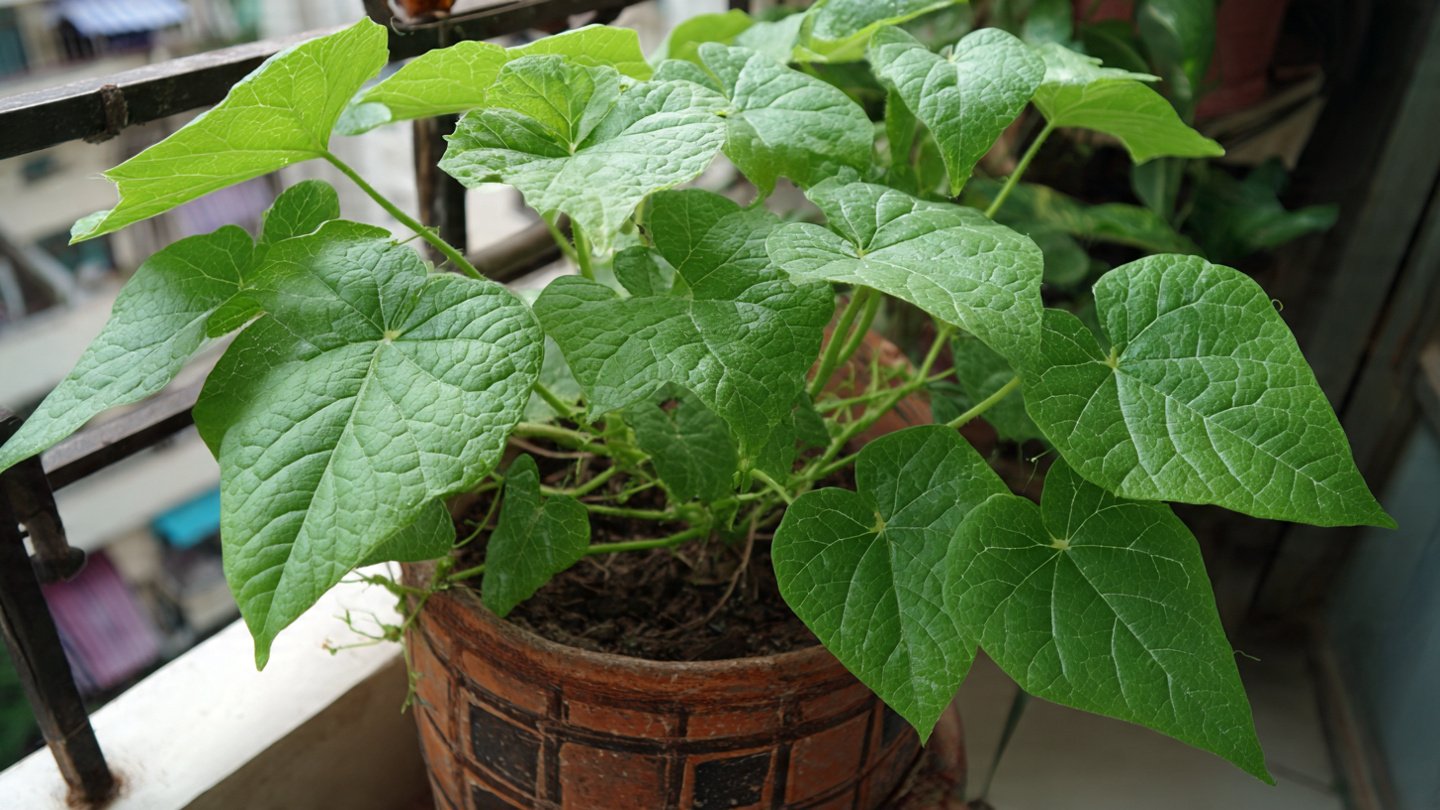
Container gardening has become increasingly popular among urban dwellers and gardening enthusiasts who may have limited space. One fascinating plant to consider is the Ivy Gourd (Coccinia grandis). Known for its rapid growth and vibrant green leaves, Ivy Gourd is not only aesthetically pleasing but also offers edible fruit that can add a unique flavor to various dishes. This article explores whether you can successfully grow Ivy Gourd in a container, along with tips for ensuring your container gardening success.
Understanding Ivy Gourd
Botanical Overview
Ivy Gourd is a tropical vegetable native to India and Southeast Asia. It is a climbing vine that can grow up to 10 feet in length, boasting lobed leaves and small, cucumber-like fruits that turn bright red when ripe. The plant thrives in warm climates and is resilient, making it suitable for various growing conditions.
Nutritional Benefits
Ivy Gourd is not just visually appealing; it is also a nutritious addition to your garden. The young leaves and tender fruits are rich in vitamins A and C, iron, and dietary fiber. They can be consumed raw, stir-fried, or used in soups and curries. By growing Ivy Gourd at home, you can enjoy fresh produce directly from your garden while reaping the numerous health benefits it offers.
Why Grow Ivy Gourd in a Container?
Many gardeners are surprised to learn that container gardening can be a viable option for growing Ivy Gourd. Growing this plant in a container offers several advantages:
-
Space Efficiency: Container gardening allows you to maximize space, making it ideal for balconies, patios, or small yards.
-
Mobility: If you live in a climate where temperatures fluctuate, you can easily move your container to provide the optimal conditions for growth.
-
Customization: Containers allow you to tailor the soil mix and nutrients to suit the plant’s needs, promoting healthy growth.
-
Aesthetics: A cascading Ivy Gourd vine offers decorative benefits, enhancing the overall visual appeal of your living space.
Preparing for Container Success
To ensure successful growth of Ivy Gourd in a container, careful preparation is key. Here’s what you need to do:
Choosing the Right Container
-
Size: Ivy Gourd requires ample space for its roots. A container that is at least 12-16 inches deep and wide is recommended. If you plan to grow multiple plants, opt for larger containers.
-
Material: Containers made of plastic, ceramic, or wood can work well, but ensure they provide good drainage. Avoid metal containers, as they can overheat and damage the roots.
-
Drainage: Good drainage is crucial to prevent root rot. Ensure the container has drainage holes at the bottom, and consider adding a layer of gravel or stones to improve drainage.
Selecting the Right Soil
Ivy Gourd thrives in well-draining, nutrient-rich soil. Here are some tips for creating the ideal soil mix:
-
Soil Composition: A blend of potting soil, sand, and compost works well. Aim for a mix that is roughly one-third potting soil, one-third sand, and one-third compost.
-
pH Levels: Ivy Gourd prefers slightly acidic to neutral soil, with a pH level between 6.0 and 7.0. You can test your soil and adjust it as needed using lime (to raise pH) or sulfur (to lower pH).
Choosing the Right Location
Ivy Gourd loves sunlight and warmth. Here are tips for selecting the best location for your container:
-
Sunlight: Choose a spot that receives at least 6-8 hours of direct sunlight daily. If you are in a particularly hot climate, partial shade during the hottest part of the day can help prevent heat stress.
-
Wind Protection: While Ivy Gourd can tolerate gusts, protecting the plant from strong winds can help it thrive.
-
Temperature: Ivy Gourd grows best in temperatures between 70°F and 95°F (21°C to 35°C). If temperatures drop significantly, consider bringing the container indoors or into a greenhouse.
Planting Ivy Gourd
Once you’ve prepared your container and soil, it’s time to plant your Ivy Gourd seeds or seedlings.
Starting From Seeds or Seedlings
-
Seeds: If starting from seeds, soak them in water for 24 hours prior to planting to improve germination rates. Plant seeds about an inch deep and 2-3 feet apart.
-
Seedlings: If using seedlings, gently remove them from their nursery pots and plant them at the same depth they were growing before. Ensure you maintain the spacing for optimal growth.
Watering Techniques
-
Initial Watering: After planting, water the soil thoroughly to help the plant settle in.
-
Ongoing Care: Water Ivy Gourd semi-regularly, keeping the soil consistently moist but not waterlogged. As a general rule, check the soil moisture every few days, especially during hotter months.
-
Mulching: Add a layer of mulch to the surface of the soil to help retain moisture and suppress weeds.
Supporting Your Ivy Gourd
As a climbing plant, Ivy Gourd benefits from some form of support.
Trellis Options
-
Trellis: Install a trellis (or similar support) in the container for the Ivy Gourd to climb. This can be made from bamboo stakes, wire, or even a small fence.
-
Pruning: Regularly prune the vine to encourage bushier growth and remove any dead or diseased foliage. This will also help maintain air circulation.
Fertilization
Providing your Ivy Gourd with adequate nutrition is essential for robust growth and fruiting.
-
Initial Fertilization: Incorporate a balanced, slow-release fertilizer into the soil at planting time.
-
Ongoing Care: Every four to six weeks, feed the plant with a diluted liquid fertilizer to promote continuous growth and fruiting. Fertilizers high in potassium can help improve fruit quality.
Pest and Disease Management
Ivy Gourd, like any plant, is not immune to pests and diseases. Regular monitoring and management are essential:
-
Common Pests: Watch out for aphids, spider mites, and whiteflies. Natural remedies like insecticidal soap or neem oil can be effective.
-
Disease Management: Ensure good air circulation around the plant to prevent fungal diseases. Water at the base of the plant to avoid wetting the leaves.
-
Healthy Practices: Rotate crops annually and remove any dead leaves to minimize disease risks.
Harvesting Ivy Gourd
Harvesting is one of the most rewarding parts of gardening. Ivy Gourd fruits can be harvested when they are young and tender (about 4-6 inches long) before they turn red. Regular harvesting encourages the plant to produce more fruit.
-
Tools: Use clean, sharp scissors or pruning shears to avoid injuring the plant.
-
Timing: Harvest in the morning when temperatures are cooler, which can help extend the shelf life of the fruits.
-
Storage: Store harvested Ivy Gourds in a cool, dry place. They can also be refrigerated to extend freshness.
Conclusion
Successfully growing Ivy Gourd in a container is entirely achievable with the right preparation and care. By selecting an appropriate container, using quality soil, providing adequate sunlight, and managing pests and diseases proactively, you can enjoy this unique and nutritious plant. Not only will you have a decorative vine climbing your balcony or patio, but you’ll also have fresh Ivy Gourd fruits at your disposal—a rewarding addition to any culinary repertoire. Happy gardening!