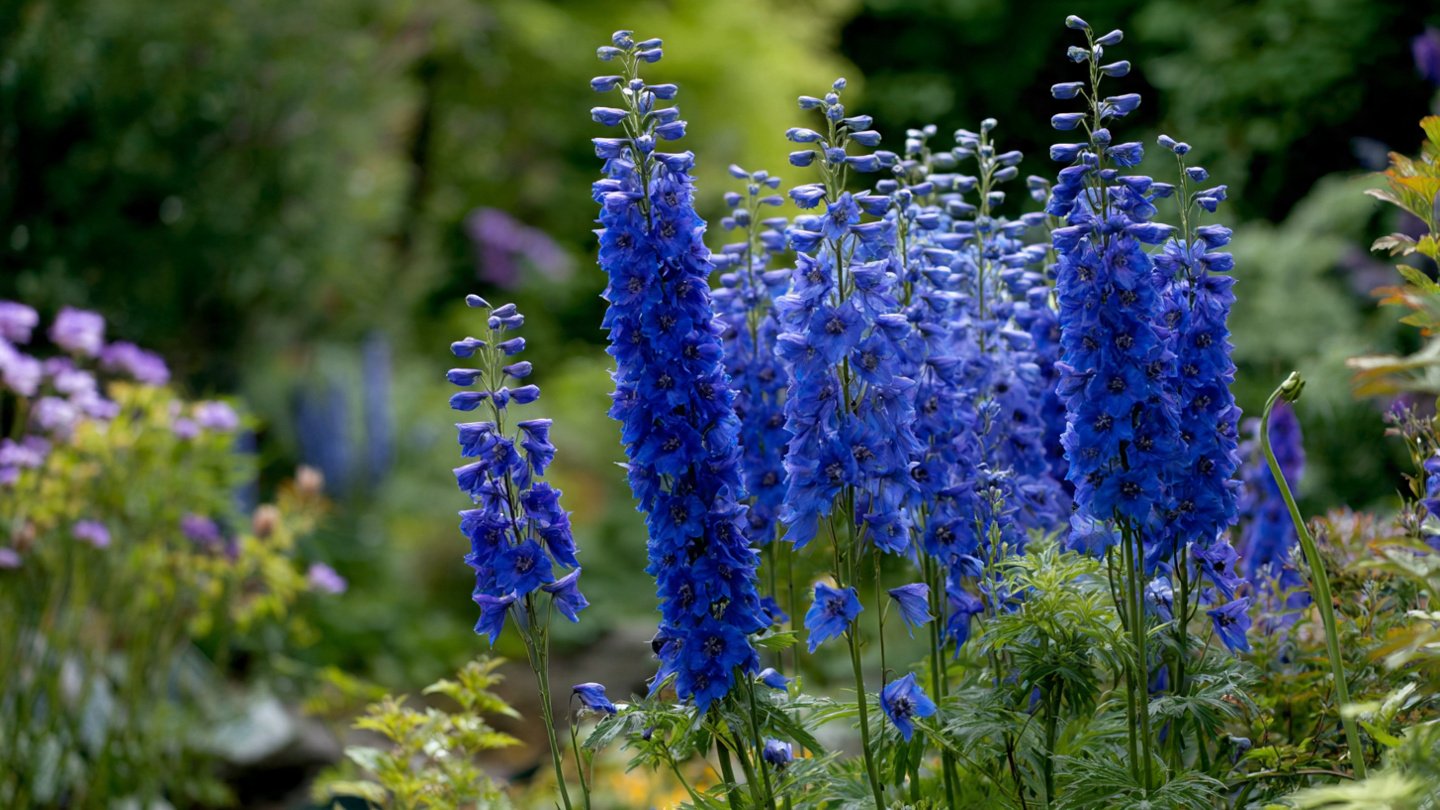
Delphiniums are among the striking stars of any garden, known for their stunning blue spikes that stand majestically against lush backdrops. These perennial flowers, also known as larkspur, can reach impressive heights and offer gardeners a vivid palette to work with. Growing Delphinium Blue Spikes can be immensely rewarding, but it requires attention to detail and careful planning. This article will guide you through the essential steps to successfully grow these magnificent plants, ensuring your garden is a breathtaking display of color and life.
Understanding Delphiniums
Botanical Overview
Delphinium belongs to the Ranunculaceae family and includes around 300 species. Among these, Delphinium elatum, commonly known as the tall delphinium, is most celebrated for its spectacular blue spikes. The flowers can range in color from white and pink to varying shades of blue, but the vibrant blue varieties are particularly sought after for their striking appearance.
Growing Zones
Delphiniums thrive in USDA Hardiness Zones 3 through 7. They prefer temperate climates where they can receive ample sunlight but benefit from some protection during extreme heat. Understanding your zone is crucial for successful cultivation.
Choosing the Right Location
Sunlight Requirements
Delphiniums flourish in full sun, requiring at least 6 hours of sunlight per day. However, in hotter climates, they appreciate some afternoon shade to prevent wilting and sunburn.
Soil Conditions
The right soil composition is vital for the healthy growth of delphiniums. They prefer:
- Well-draining soil: Heavy, clay soils can lead to root rot.
- Slightly acidic to neutral pH (6.0 – 7.0): Testing the soil pH can be useful.
- Rich in organic matter: Adding compost can significantly enhance soil quality.
Spacing and Layout
Delphiniums can grow quite tall (up to 6 feet), so it’s essential to consider their spacing. Plant them at least 18 to 24 inches apart to allow for air circulation and prevent overcrowding. When designing your garden, consider placing taller delphiniums towards the back of beds, where they can be enjoyed without blocking shorter plants.
Propagation Techniques
Seeds
Delphiniums can be seeded either indoors or directly in the garden:
- Indoors: Start seeds about 8-10 weeks before the last frost. Use seed trays with a light seed-starting mix, keep them moist, and provide plenty of light.
- Outdoors: Sow seeds in early spring, ensuring the soil is warm and the frost has passed. Cover lightly with soil.
Dividing Plants
For established plants, division can create new ones while helping to rejuvenate the original plant. This is best done in early spring or fall:
- Carefully dig up the plant.
- Use a sharp spade to divide the root ball into smaller sections, ensuring each piece has roots and stems.
- Replant immediately at the same depth as they were initially growing.
Watering and Fertilization
Watering
Proper watering is crucial for delphiniums as they establish roots:
- Deep Watering: Water deeply but infrequently, aiming for about 1 inch of water per week.
- Avoid Overhead Watering: Wetting the leaves can encourage fungal diseases. Using a drip irrigation system or soaker hoses can be effective.
Fertilization
Delphiniums benefit from regular feeding:
- Spring Fertilization: Use a balanced, slow-release fertilizer at the beginning of the growing season.
- Midseason Application: A second application of fertilizer can support blooming.
Mulching
Applying a 2-3 inch layer of organic mulch around your plants can help retain soil moisture, suppress weeds, and regulate soil temperature. Avoid piling it up against the plant stems to reduce the risk of rot.
Supporting Your Delphiniums
Given their height, delphiniums often require support to prevent them from flopping over:
- Stakes: Insert sturdy stakes early in their growth to avoid damaging roots later.
- Cages: Tomato cages can also be a practical solution for supporting taller varieties.
Pest and Disease Management
Common Pests
Delphiniums can attract several pests:
- Aphids: These small insects can be removed with a blast of water or treated with insecticidal soap.
- Spider Mites: Keep leaves moist to deter these pests. If infestations occur, spraying with water can disrupt their lifecycle.
Disease Prevention
Preventing diseases, especially fungal ones, is crucial:
- Avoid Overwatering: Water early in the day to avoid prolonged leaf wetness.
- Good Air Circulation: Space plants adequately and prune routinely to increase airflow.
Identifying Disease
Watch for signs of mildew or leaf spots:
- Powdery Mildew: A white powdery substance indicates fungal infection. Treat with a baking soda spray or fungicide.
- Root Rot: Yellowing leaves and wilting indicate root issues. Ensure proper drainage and avoid overly wet soil.
Harvesting and Maintenance
Cutting for Bouquets
If you intend to use delphinium blooms in arrangements, cut them when at least one-third of the florets are open. This allows for maximum bloom potential in arrangements. Use sharp scissors or pruners to make clean cuts at an angle.
Deadheading
To encourage continued blooming, deadhead spent flowers:
- Remove the entire flower stalk back to the base of the plant.
- This not only enhances appearance but also promotes new growth.
Winter Care
In colder climates, protection during winter is necessary:
- Cutting Back: After the first frost, cut back dead stems to about 3 inches above the ground.
- Mulching: Apply a layer of mulch to insulate the roots.
Creating a Stunning Garden Display
Delphiniums can be utilized in various designs to create beautiful displays:
- Cottage Gardens: Their vertical form pairs beautifully with the soft shapes of other cottage plants like foxgloves and hollyhocks.
- Formal Borders: Use delphiniums for their structured form in a more formal garden layout, contrasting with more compact flowers.
- Mixing Colors: Pair blue spikes with contrasting colors such as yellows, whites, or purples for an eye-catching display.
Seasonal Arrangements
Consider including other seasonal plants that bloom at different times of the year to maintain a vibrant and dynamic garden space. Combine delphiniums with summer bloomers like dahlias or tranquil fall flowers like asters to ensure visual interest throughout the growing season.
Conclusion
Growing Delphinium Blue Spikes not only enhances the aesthetic appeal of your garden but also provides a gratifying gardening experience. With careful planning, attention to detail, and proper care, you can cultivate these stunning perennials and enjoy their beauty for years to come. From their striking colors to their impressive height, delphiniums stand out as a must-have for any gardener looking to create a breathtaking display.
By understanding their needs and implementing the right strategies, you can ensure that your garden is a true testament to the beauty and serenity that delphiniums embody. So gear up, prepare your soil, and get ready to watch your garden transform into a colorful oasis filled with the enchanting presence of Delphinium Blue Spikes.