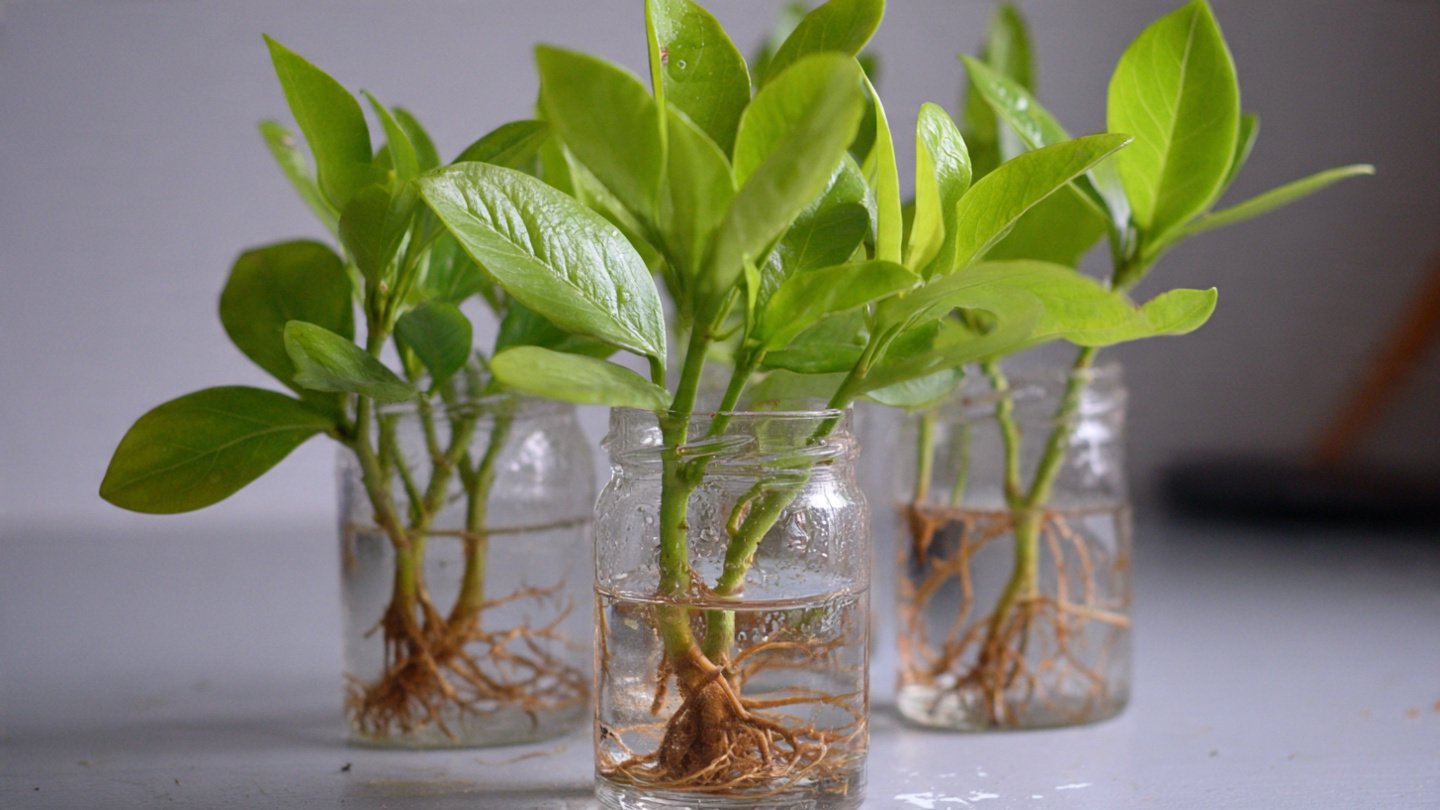
Periwinkle, also known as Catharanthus roseus or Vinca, is a popular flowering plant admired for its vibrant blooms and hardy nature. It is often used in gardens, landscapes, and as ground cover because of its ability to thrive in various conditions. One of the most cost-effective and rewarding ways to propagate periwinkle is through cuttings. Successfully rooting periwinkle plant cuttings not only helps multiply your plants but also allows you to maintain the characteristics of the parent plant. In this comprehensive guide, we will explore the best methods for rooting periwinkle cuttings so you can grow healthy new plants with ease.
Understanding Periwinkle and Its Propagation
Before diving into the rooting techniques, it is important to understand some basics about periwinkle plants. Periwinkle is a tropical flowering plant that is easy to grow and relatively low-maintenance. It prefers warm climates but can adapt to a variety of soil types, provided they have good drainage. While periwinkle can be grown from seeds, propagation through cuttings is preferred as it is faster and clones the parent plant exactly.
Propagation by cuttings involves taking a portion of the stem from a mature plant and encouraging it to grow roots independently. This technique is not only economical but also guarantees that the new plant will share the same desirable traits, such as flower color and growth habit.
Materials Needed for Rooting Periwinkle Cuttings
To successfully root periwinkle cuttings, gather the following materials:
- Healthy periwinkle mother plant
- Sharp, clean pruning shears or scissors
- Rooting hormone (optional but recommended)
- Small pots or containers with drainage holes
- Well-draining potting mix or a rooting medium such as perlite, vermiculite, or a mix of sand and peat moss
- Clear plastic bags or a propagation dome
- Water spray bottle
- Labels and pen (to mark the date and plant variety)
Step-by-Step Guide to Rooting Periwinkle Cuttings
1. Selecting and Preparing the Cuttings
Select a healthy periwinkle plant with no signs of disease or pest infestation. Choose stems that are semi-hardwood to softwood — not too old and woody, but not too tender either. Ideally, the cutting should be about 4-6 inches long and have at least 3-4 leaves.
Using clean, sharp pruning shears, cut the stem just below a node (the point where a leaf attaches to the stem). The node is important because roots tend to form from these points. Remove the lower leaves from the cutting, leaving only the top 2-3 leaves. This reduces moisture loss and encourages root growth.
2. Using Rooting Hormone (Optional but Beneficial)
Although periwinkle cuttings can root without rooting hormone, applying a rooting hormone can significantly increase the success rate and speed of root development. Dip the cut end of the stem into water first, then into rooting hormone powder or gel, ensuring the hormone coats the stem well without excess clumping.
3. Preparing the Rooting Medium
Fill small pots or containers with a well-draining rooting medium. A mix of equal parts of perlite and peat moss is excellent because it retains moisture without becoming waterlogged. Alternatively, use sand mixed with peat or vermiculite. Avoid using regular garden soil as it may cause rot or harbor pathogens.
Water the medium lightly so it is moist but not soaking wet.
4. Planting the Cuttings
Make a hole in the rooting medium using a pencil or stick and insert the cutting about 1-2 inches deep with the cut end down. Gently firm the soil around the cutting to hold it in place. Space multiple cuttings in the pot if desired, but give each one enough room to avoid competition.
5. Creating a Humid Environment
Periwinkle cuttings root best in a humid environment. Cover the pot with a clear plastic bag or place it under a propagation dome to maintain humidity. Ensure the plastic does not touch the leaves; you can use small sticks or frames to keep the bag elevated.
Place the cuttings in indirect sunlight, avoiding direct harsh rays that can cause overheating and wilting. Keep the temperature warm, around 70-75°F (21-24°C).
6. Watering and Care
Check the moisture level daily and mist the cuttings with water using a spray bottle to keep humidity high. Avoid overwatering as soggy conditions can lead to rot. Water the rooting medium only when it starts to dry out slightly.
7. Monitoring Root Growth
After 2-4 weeks, gently tug on the cuttings to feel for resistance, which indicates root formation. Once roots are established, you can gradually acclimate the new plants by removing the plastic cover for increasing periods each day.
8. Transplanting
Once the roots are well-developed (usually after 4-6 weeks), transplant the cuttings into individual pots with regular potting soil. Continue to care for the young plants by providing adequate light, water, and occasional fertilization as they grow stronger.
Troubleshooting Tips for Rooting Periwinkle Cuttings
- Cuttings wilt or rot: Make sure you are not overwatering and the pots have good drainage. Using sterile tools and clean rooting medium will prevent fungal infections.
- No root growth after several weeks: Try using a rooting hormone if you haven’t, or provide slightly warmer temperatures. Some cuttings may take longer depending on plant health.
- Leaves yellow or drop: This could be due to excessive moisture, poor ventilation, or insufficient light. Adjust conditions accordingly.
- Cuttings dry out: Keep humidity high with a plastic cover and mist regularly.
Advantages of Propagating Periwinkle from Cuttings
- Faster establishment compared to seeds.
- Perfect clones retaining all parent plant traits.
- More economical way to multiply periwinkle plants.
- Ability to propagate favorite varieties year-round.
Alternative Methods for Periwinkle Propagation
While stem cuttings are the best and easiest method for periwinkle propagation, you can also propagate through seeds or layering. Seeds take longer and don’t always resemble the parent plant exactly. Layering can work, but it requires more time and care.
Conclusion
Rooting periwinkle plant cuttings is an enjoyable and rewarding gardening activity that can easily be mastered with the right technique. Selecting healthy cuttings, using a suitable rooting medium, maintaining humidity, and patience are key factors in achieving successful rooting. By following the best method outlined in this article, you will soon be able to multiply your periwinkle plants effortlessly and fill your garden spaces with their beautiful, vibrant blossoms.
Whether you’re a seasoned gardener or a beginner, propagating periwinkle cuttings is a perfect way to expand your plant collection and enjoy the beauty of these resilient flowers throughout the growing season. Happy gardening!