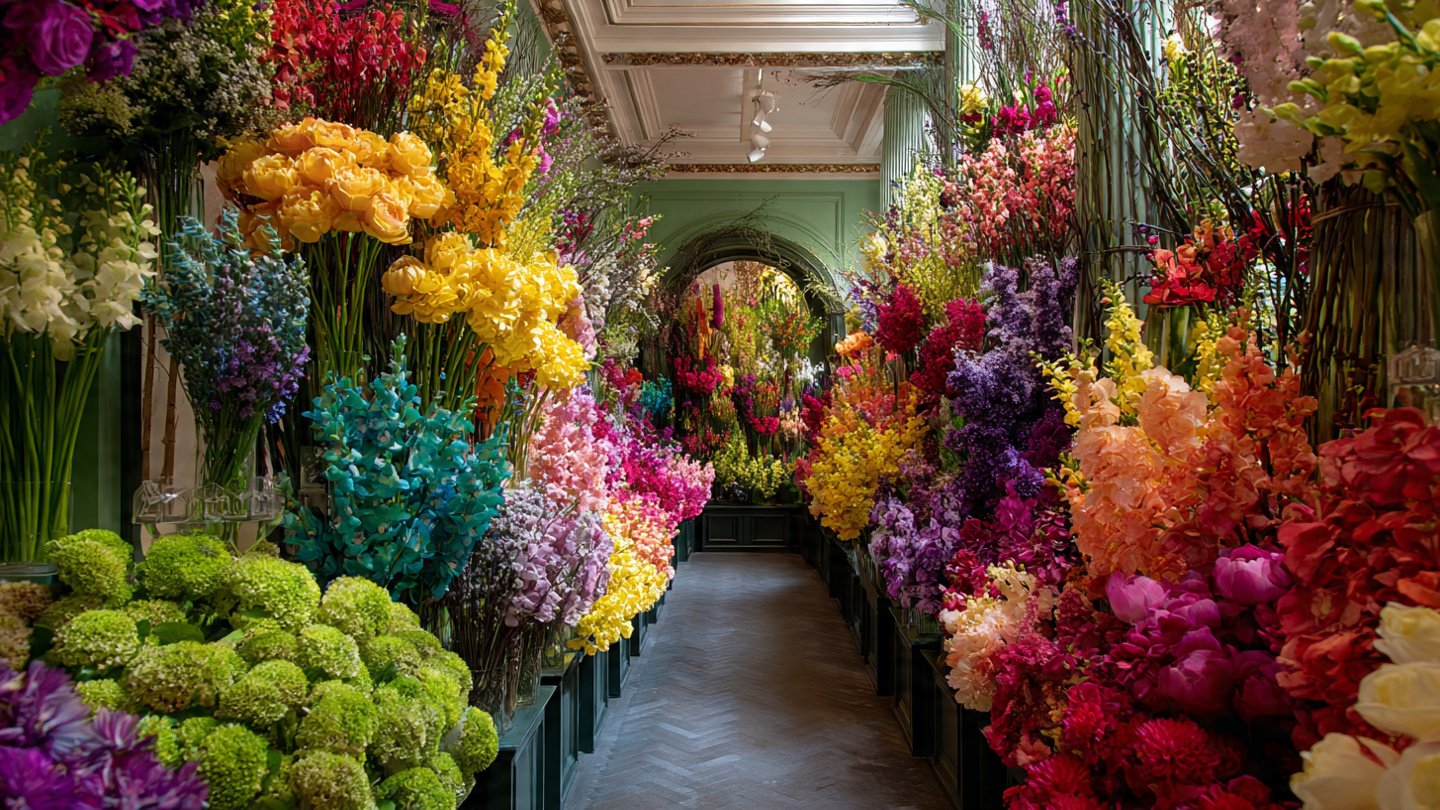
Indoor gardening has gained immense popularity over the years, and for good reason. With the right techniques, anyone can cultivate a vibrant display of flowers that not only beautifies their living space but also enhances their well-being. In this guide, we’ll explore the best ways to grow bright indoor flowers, from choosing the right plants to nurturing them for a stunning display.
Table of Contents
-
Understanding Indoor Plants
- Benefits of Indoor Flowers
- Choosing the Right Plants
-
Essential Requirements for Healthy Growth
- Light
- Water
- Humidity and Temperature
- Soil Quality
-
Pot Selection and Planting
- Choosing the Right Pots
- Planting Techniques
- Re-potting Tips
-
Caring for Your Indoor Flowers
- Fertilizing
- Pruning and Deadheading
- Pest Management
- Seasonal Care
-
Designing Your Display
- Arranging Your Plants
- Color Schemes and Themes
- Seasonal Rotations
-
Conclusion
1. Understanding Indoor Plants
Benefits of Indoor Flowers
Indoor flowers provide aesthetic beauty, improve air quality, and enhance emotional well-being. They can reduce stress and boost mood just by being in the vicinity. Additionally, many plants help to purify the air by absorbing toxins and releasing oxygen.
Choosing the Right Plants
When selecting flowers for indoor growth, consider factors such as light availability, humidity levels, and your own gardening experience. Some popular options include:
- African Violets: Easy to care for, they bloom in various colors and thrive in moderate light.
- Gerbera Daisies: Known for their bright, cheerful blooms, they require more light and regular watering.
- Peace Lily: With its elegant white blooms, this plant is forgiving and thrives in low-light conditions.
- Orchids: While they may require a bit more attention, their unique flowers can be a centerpiece in any display.
2. Essential Requirements for Healthy Growth
Light
Light is a critical component in the growth of indoor flowers. Understanding the light requirements for each type of plant you choose is vital.
- Bright Light: Plants like gerbera daisies and orchids need direct sunlight, ideally around 14-16 hours per day.
- Medium Light: African violets thrive in bright, indirect light. A south-facing window can be ideal.
- Low Light: Peace lilies and snake plants can tolerate low-light conditions, making them great for darker corners.
Water
Overwatering is one of the most common mistakes made by indoor gardeners. Each plant has specific water requirements, but here are some general guidelines:
- Check Soil Moisture: Stick your finger about an inch into the soil. If it feels dry, it’s time to water.
- Watering Technique: Water until you see it drain from the bottom of the pot, ensuring deep root hydration.
Humidity and Temperature
Most indoor flowers prefer humidity levels between 40-60%. If your home is dry, especially during winter, consider using a humidifier or joining plants together to create a micro-climate.
The optimal temperature range for most flowering plants is between 65-75°F (18-24°C) during the day and slightly cooler at night.
Soil Quality
Choosing the right soil mix is crucial for healthy plant growth. Look for a well-draining potting mix enriched with organic matter. For certain flowers like orchids, specialized potting mixes may be necessary.
3. Pot Selection and Planting
Choosing the Right Pots
When selecting pots for indoor flowers, consider the following:
- Material: Terracotta and ceramic pots allow for better airflow and drainage. Plastic pots are lightweight but may retain moisture.
- Size: Choose a pot that is proportional to the plant’s size. Too small restricts growth, while too large can lead to overwatering.
Planting Techniques
When it comes to planting:
- Prepare the Pot: Ensure it has drainage holes. Place a layer of gravel at the bottom to facilitate drainage.
- Fill with Soil: Add potting mix, leaving enough space at the top.
- Insert the Plant: Gently remove the plant from its nursery pot, loosen any tightly bound roots, and place it in the new pot. Fill in with more soil and water thoroughly.
Re-potting Tips
Re-potting should generally be done every 1-2 years or when the plant outgrows its pot. This ensures access to fresh nutrients and adequate space for growth.
4. Caring for Your Indoor Flowers
Fertilizing
Indoor flowers benefit from regular feeding, especially during the growing season (spring and summer). Use a balanced fertilizer every 4-6 weeks. Follow the manufacturer’s instructions to avoid over-fertilization, which can harm your plants.
Pruning and Deadheading
Regular pruning helps to promote bushier growth and prevent disease. Deadheading—removing spent flowers—encourages new blooms and keeps the plant looking tidy.
Pest Management
Indoor plants can attract pests such as aphids, spider mites, and whiteflies. Monitor your plants regularly for signs of infestation.
- Natural Remedies: Consider using insecticidal soaps or neem oil for treatment.
- Prevention: Keeping your plant dust-free decreases the chance of pests.
Seasonal Care
Adjusting care routines with the seasons is essential. In winter, most indoor flowers will have reduced growth; therefore, watering and fertilizing should be minimized.
5. Designing Your Display
Arranging Your Plants
Creating a visually appealing display is part artistry. Consider height, color, and texture when arranging your indoor flowers. Grouping plants of varying heights can add depth, while combining shapes can create fascinating focal points.
Color Schemes and Themes
Choose a color scheme that complements your interior decor. Harmonious colors can create a tranquil atmosphere, while contrasting colors can energize a space. Seasonal themes can also guide your flower choices, showcasing spring blooms or autumn colors.
Seasonal Rotations
To keep your indoor display looking fresh year-round, consider seasonal rotations. Different flowers bloom at different times, so research and select varieties that will succeed in your conditions.
6. Conclusion
Creating a stunning display of bright indoor flowers is not just about aesthetics; it’s also about nurturing a dynamic living ecosystem within your home. By understanding the needs of these plants, you can cultivate an environment that maximizes their potential.
From selecting the right flowers and ensuring optimal growth conditions to designing an eye-catching arrangement, the joys of indoor gardening are both fulfilling and rewarding. With time and patience, you’ll not only enjoy beautiful blooms but also a fresh and vibrant indoor atmosphere that enriches your everyday life. Happy gardening!