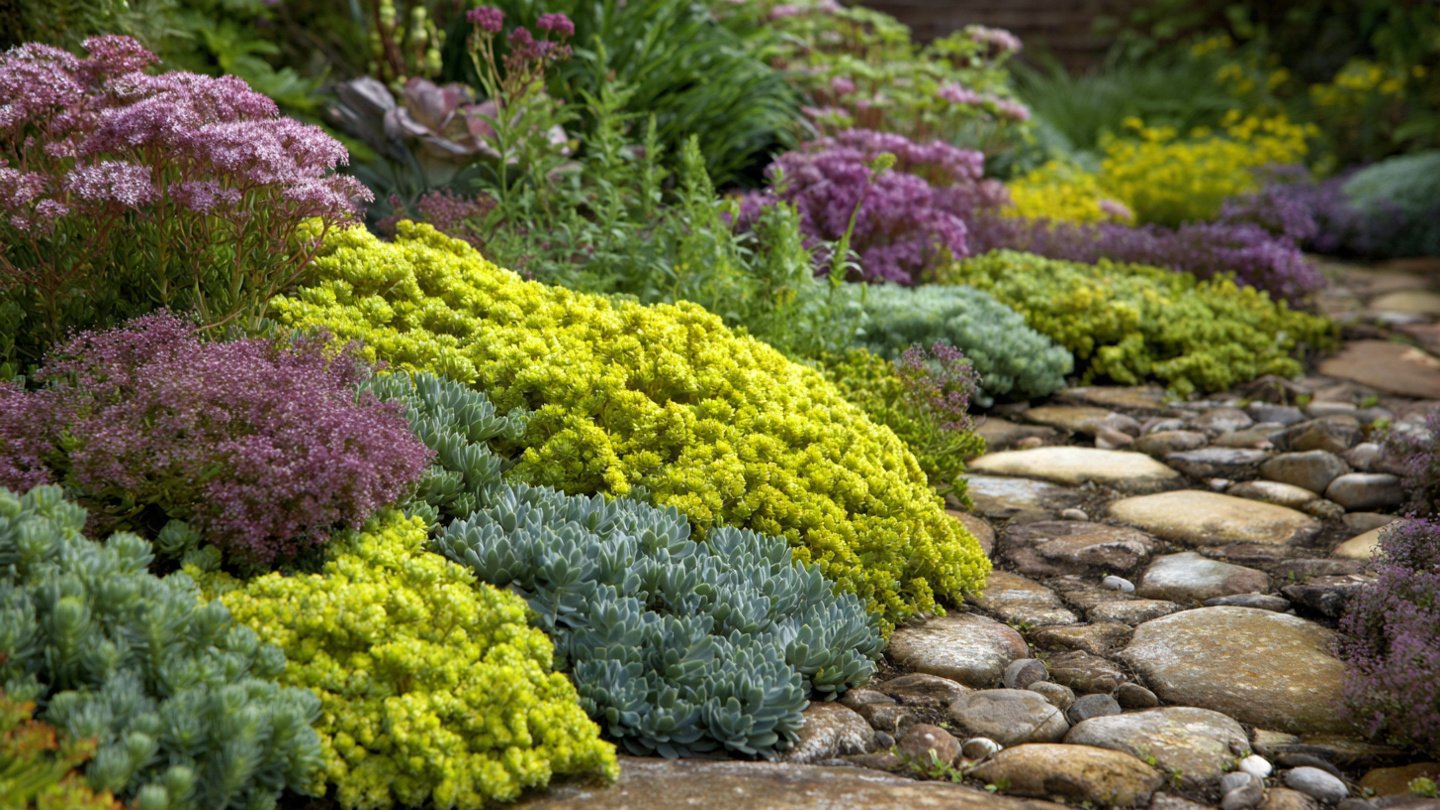
Sedum, commonly known as stonecrop, is a diverse genus of succulent plants that thrive in a variety of conditions and can make for stunning ground cover in your landscape. Known for its resilience, colorful foliage, and remarkable drought resistance, sedum offers a low-maintenance option for gardeners seeking beauty without the constant upkeep. In this article, we will explore why sedum is an excellent choice for ground cover, how to grow it, and how to integrate it effectively into your landscape design.
Why Choose Sedum for Ground Cover?
1. Low Maintenance
One of the primary reasons gardeners choose sedum is its minimal care requirements. Once established, sedum plants are drought-tolerant and require little watering, making them perfect for busy individuals or those looking to reduce water usage in their gardens. They can thrive in poor soil conditions, eliminating the need for heavy soil amendments.
2. Versatility
Sedum comes in a variety of shapes, colors, and sizes, allowing gardeners to create dynamic and visually appealing landscapes. From the tiny, creeping varieties that spread across rocky hillsides to upright types that can reach heights of over two feet, sedum offers something for everyone.
3. Wildlife Friendly
Many sedum species attract beneficial insects, including bees and butterflies, supporting local ecosystems. They also provide protection and habitat for small creatures, further enhancing the biodiversity in your garden.
4. Year-Round Interest
Sedum retains its beauty year-round. In spring, it bursts into bloom with clusters of star-shaped flowers that can range from yellow to pink and red. In the fall, the foliage transforms into warm autumn hues, offering color when many other plants have gone dormant.
5. Erosion Control
The dense root systems of sedum help stabilize soil, making it an excellent option for preventing erosion on slopes or in gardens with loose soil. Their sprawling nature effectively covers bare ground, reducing runoff and promoting water absorption.
Choosing the Right Sedum Varieties
Before planting, it’s important to select the appropriate type of sedum for your landscape. Here are some popular varieties suited for ground cover:
1. Sedum spurium (Caucasian Stonecrop)
This variety features oval, green leaves that turn reddish in the fall and produces pink flowers in late summer. It grows well in full sun and is perfect for rocky areas.
2. Sedum album (White Stonecrop)
Ideal for rock gardens, Sedum album has white flowers and spreads quickly, filling gaps and adding interest to any landscape.
3. Sedum reflexum (Reflexed Stonecrop)
With its blue-green foliage and yellow flowers, this type thrives in dry, poor soil, making it excellent for rooftop gardens or hot locations.
4. Sedum rubrotinctum (Jelly Bean Plant)
This unique variety has plump, jelly-bean-like leaves that turn red in the sun. It is particularly hardy and can tolerate drought conditions well.
5. Sedum ‘Dragon’s Blood’
Known for its rich red foliage and vibrant pink flowers, ‘Dragon’s Blood’ is a favorite for creating eye-catching landscapes. It works beautifully as an edging plant.
Site Selection and Preparation
To ensure successful growth, you’ll need to select the right site for your sedum ground cover.
1. Sunlight Requirements
Most sedum varieties thrive in full sun, requiring at least six hours of sunlight each day. However, some types can tolerate partial shade, so it’s essential to assess your garden’s conditions to pick the right variety.
2. Soil Requirements
Sedum prefers well-draining soil. Sandy or rocky soils are ideal, though they can adapt to clay if drainage is properly managed. To improve drainage, consider mixing gravel or sand into the existing soil.
3. Space Considerations
Sedum plants can vary significantly in size; therefore, spacing will depend on the specific variety you choose. A general recommendation is to plant them 12-18 inches apart to allow for spreading without overcrowding.
Planting Sedum
1. Timing
The best time to plant sedum is in the spring or early fall when temperatures are moderate, allowing for optimal root establishment. Avoid planting during extreme heat or frost.
2. Planting Process
To plant sedum:
- Prepare the Site: Remove weeds, debris, and any existing vegetation from the area.
- Dig Holes: Create holes slightly larger than the root ball of the sedum plants. The depth should match the existing soil level of the plant.
- Place the Plants: Position each sedum plant in its hole and backfill with soil, gently pressing down to eliminate air pockets.
- Watering: Water the plants thoroughly after planting to help establish their roots.
Care and Maintenance
1. Watering
Sedum is drought-tolerant, but newly planted sedum will require regular watering for the first few weeks until they root in. After establishment, water only during significant dry spells, keeping in mind that overwatering can lead to root rot.
2. Fertilization
Sedum typically thrives without fertilizer due to its adaptability. However, if your soil is particularly poor, a light application of a balanced, slow-release fertilizer in early spring can encourage growth.
3. Pruning
To maintain a tidy appearance, deadhead spent flowers and remove any dead or damaged leaves throughout the growing season. This promotes healthier growth and lush foliage.
4. Pest and Disease Management
Sedum is generally resistant to pests and diseases. However, watch for signs of mealybugs or aphids, which can sometimes be problematic. If detected, treat them promptly with insecticidal soap or neem oil.
Integrating Sedum into Your Landscape Design
1. Rock Gardens
Sedum is a natural fit for rock gardens. Their ability to thrive in poor soil and their sprawling nature make them perfect for filling gaps between stones and alongside pathways.
2. Edging Plants
Low-growing sedum varieties work beautifully as edging for flower beds or pathways. Their vibrant colors and textures will create a stunning outline, enhancing the overall visual appeal of your garden.
3. Container Gardening
Sedum can also be grown in containers or raised beds, allowing for creative arrangements on patios and balconies. Ensure adequate drainage in pots, and be mindful of watering during the hotter months.
4. Green Roofs
Given their drought resistance, sedums are used in green roofing applications, providing insulation and reducing stormwater runoff. This modern application not only promotes sustainability but also enhances urban environments.
5. Wildlife Gardens
Integrate sedum into wildlife gardens to attract pollinators. The flowers are a food source, while the dense foliage offers shelter for small creatures.
Conclusion
Growing sedum as ground cover in your landscape offers a plethora of benefits—from low maintenance and erosion control to year-round beauty and support for local wildlife. By choosing the right varieties, preparing your site adequately, and following simple care guidelines, you can create a vibrant, low-maintenance garden that thrives with little effort. Embrace the versatility of sedum, and let your creativity guide you in designing a landscape that is both beautiful and sustainable. With sedum, you can enjoy a stunning garden that enhances your outdoor space while aligning with the principles of low-impact gardening.