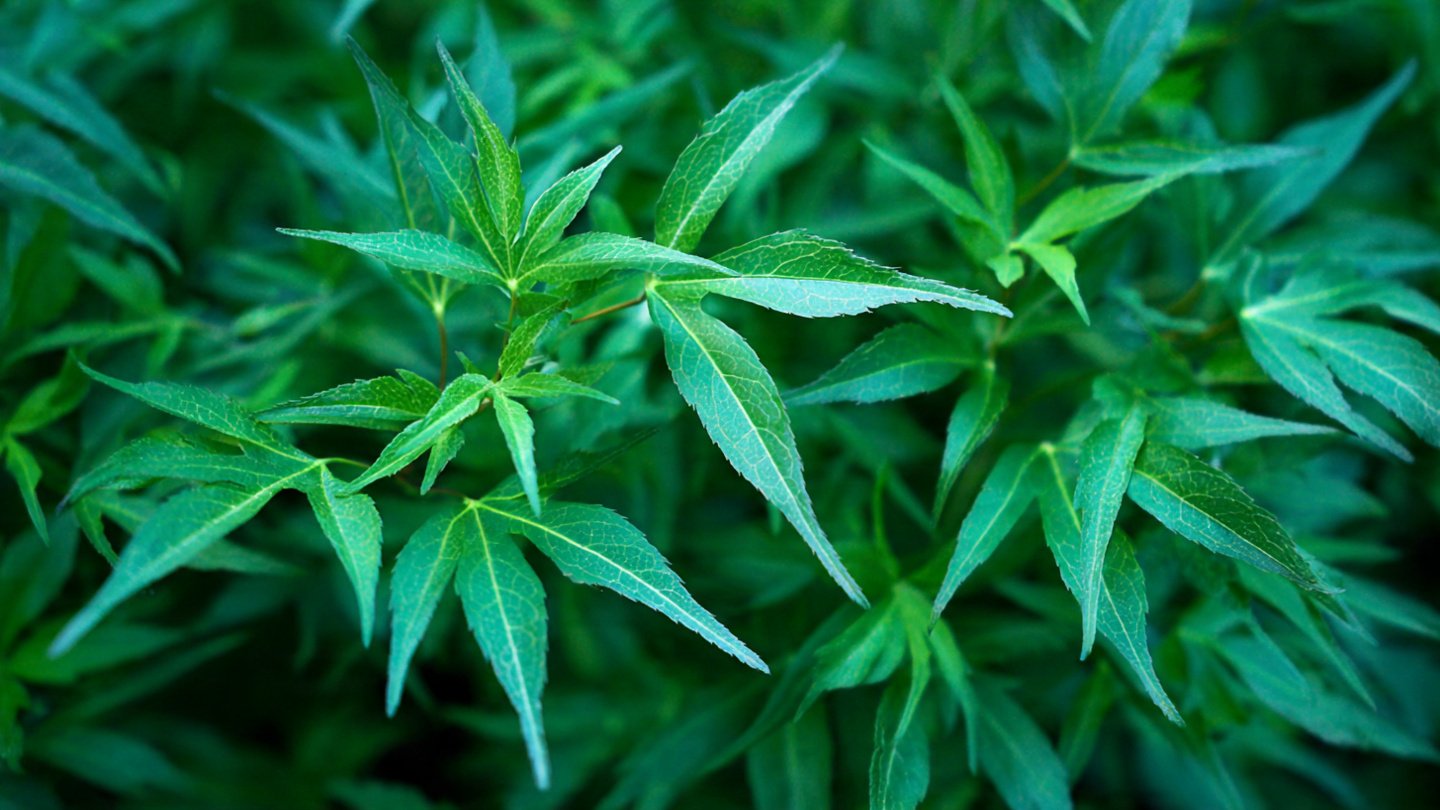
Asian leafy greens have gained immense popularity among home gardeners and chefs alike due to their fresh, vibrant flavors and versatility. Varieties like bok choy, tatsoi, and mizuna are not only delicious but also packed with nutrients. In this guide, we will provide you with a step-by-step approach to growing tender Asian leaves easily in your garden or even at home, ensuring that you have access to fresh flavors year-round.
Understanding Asian Leafy Greens
Asian leafy greens come in various formats, including:
- Bok Choy: This cruciferous vegetable is known for its tender, sweet leaves and crunchy stalks.
- Tatsoi: A rosette-forming green with a mild flavor, perfect for salads or stir-frying.
- Mizuna: Characterized by its peppery flavor, this salad green is great in mixes or as a standalone dish.
These greens are typically fast-growing and can thrive in varying climates, making them ideal choices for both novice and experienced gardeners.
Planning Your Garden
1. Choosing the Right Varieties
Before you start your garden, it’s essential to choose the right varieties of Asian leafy greens. Here are some popular options:
- Bok Choy: Opt for early or mid-season varieties for the best yield.
- Tatsoi: Known for its cold hardiness, it’s excellent for fall and winter planting.
- Mizuna: Fast-growing and tolerant of colder weather, making it perfect for early spring.
2. Selecting a Suitable Location
Asian greens prefer full sun but can tolerate partial shade. Select a location in your garden that receives at least 4-6 hours of sunlight daily. Ensure the area is well-drained, as soggy soil can lead to root rot and other diseases.
3. Preparing the Soil
Soil health is critical for growing tender leaves. Here’s how to prepare your soil:
- Test Your Soil: Use a soil test kit to assess the pH and nutrient levels. Asian leafy greens prefer a slightly acidic to neutral pH of around 6.0 to 7.0.
- Amend the Soil: Add organic matter such as compost, aged manure, or worm castings to improve soil fertility and texture. This not only provides essential nutrients but also enhances drainage and aeration.
4. Timing Your Planting
Asian leafy greens have a relatively short growing cycle, making them perfect for succession planting. Generally, you can plant them:
- Spring Crop: Start sowing seeds indoors 4-6 weeks before the last frost date, or directly in the garden after the frost.
- Fall Crop: Sow seeds in late summer for a fall harvest; this is optimal for varieties like tatsoi and mizuna that can withstand cooler temperatures.
Step-by-Step Planting Guide
1. Sowing Seeds
- Direct Sowing: Sow seeds about 1/4 to 1/2 inch deep. Space them according to the package directions—usually about 6 inches for bok choy and 4 inches for tatsoi and mizuna.
- Indoor Sowing: If starting indoors, use seed trays filled with seed-starting mix. Transplant seedlings after they’ve developed two to three true leaves.
2. Watering
Watering is crucial during the early stages of growth.
- Initial Watering: Keep the soil consistently moist, avoiding waterlogging. Use a fine spray to prevent washing away tiny seeds.
- Established Plants: Once the seedlings are established, water them thoroughly but less frequently, allowing the soil to dry slightly between waterings.
3. Weeding and Mulching
Weeds can compete for nutrients, so it’s essential to manage them:
- Weeding: Periodically check for weeds and remove them when they’re small to reduce competition.
- Mulching: Apply a layer of organic mulch (like straw or grass clippings) around plants to retain moisture, suppress weeds, and regulate soil temperature.
4. Fertilization
While Asian greens are relatively low-maintenance, occasional feeding can boost growth:
- Initial Fertilization: Use a balanced, organic fertilizer during the early growth stages.
- Mid-Season Feeding: A side-dressing of compost or a liquid fertilizer can encourage further growth.
Pest and Disease Management
Asian greens are sometimes susceptible to pests and diseases, such as aphids, cabbage worms, and downy mildew. Here’s how to keep them at bay:
1. Monitoring Pests
- Regular Inspections: Check the undersides of leaves and other hidden areas for signs of pests.
- Natural Deterrents: Introduce beneficial insects like ladybugs to keep pest populations in check.
2. Disease Prevention
- Good Air Circulation: Ensure plants are spaced adequately to reduce humidity and promote airflow.
- Avoid Overhead Watering: Water at the base of the plants to minimize wet foliage.
Harvesting Your Asian Greens
Harvesting is a rewarding phase in the growing process. Here’s how to do it correctly:
1. Timing
- Bok Choy: Harvest when the heads feel firm but before they flower. This is usually around 45-60 days after seeding.
- Tatsoi and Mizuna: These can be harvested at baby-leaf stage or allowed to mature for a more robust flavor.
2. Cutting Method
Use a sharp knife or scissors to cut the leaves just above the soil line, leaving some foliage for regrowth. They will continue to produce new leaves for several harvests.
Storing Your Harvest
To maximize the freshness and flavor of your Asian leafy greens:
- Refrigeration: Store harvested greens in a perforated plastic bag in the refrigerator. They usually stay fresh for up to a week.
- Avoid Pre-Washing: Only wash the greens just before use to prevent moisture buildup which can cause spoilage.
Creative Ways to Use Your Asian Greens
Asian leafy greens are versatile ingredients that can enhance various dishes:
- Stir-Fries: Quickly sauté with garlic and soy sauce for a delicious side dish.
- Salads: Use fresh leaves mixed with other vegetables and light dressing for a refreshing salad.
- Soups: Add to broths for a nutritious boost.
Conclusion
Growing your own tender Asian leafy greens can be a rewarding and flavorful experience. By following this step-by-step guide, you can cultivate a steady supply of these nutritious greens, enhancing your culinary creations. Not only will you enjoy the fresh flavors they bring, but you will also reap the benefits of gardening, promoting sustainability and healthy living. Whether you’re an experienced gardener or just starting, growing Asian greens can be a breeze with the right approach. Happy gardening!