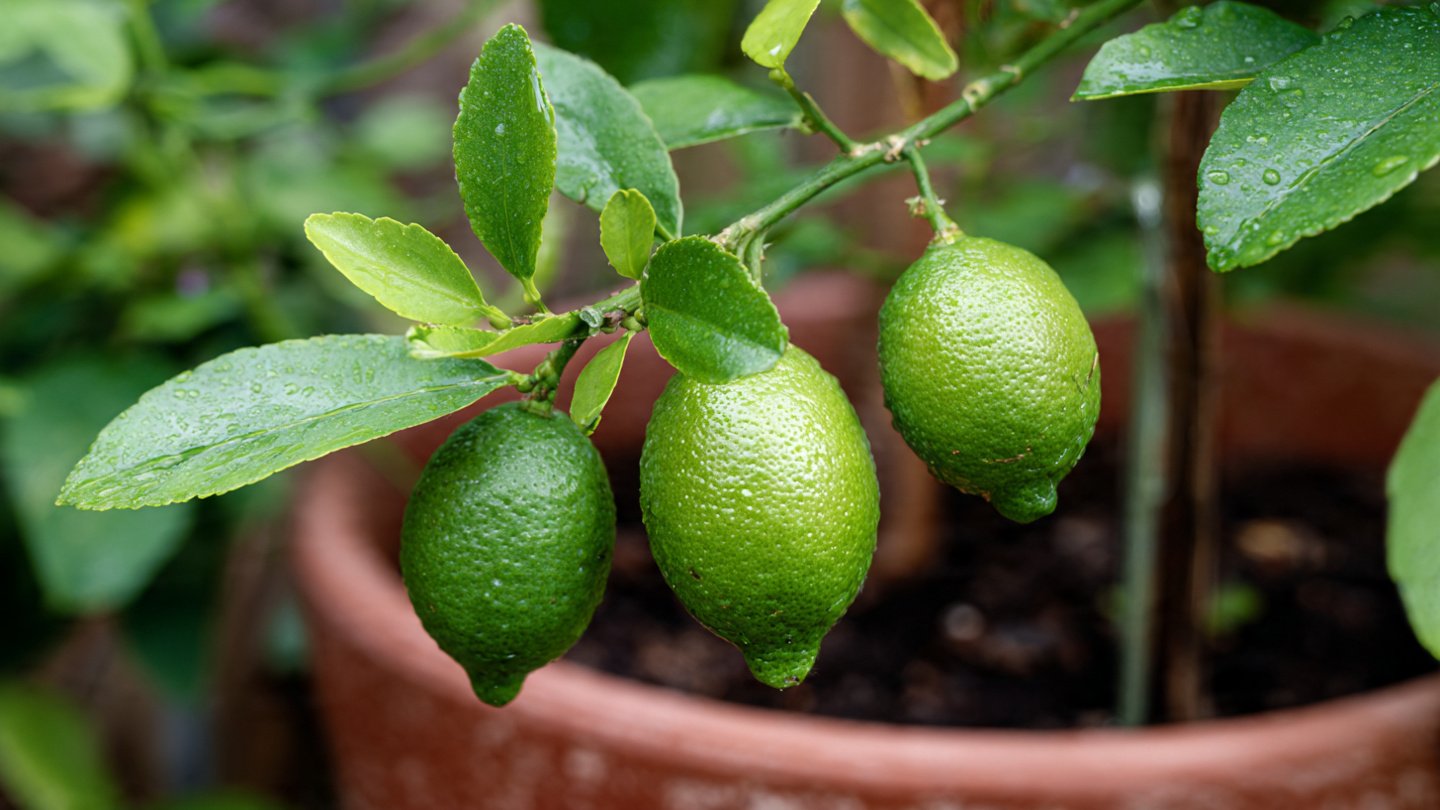
Finger limes (Citrus australasica) are small, elongated citrus fruits native to Australia, known for their unique caviar-like flesh and tart flavor. These extraordinary fruits have gained popularity in culinary circles for their versatility and aesthetic appeal, making them perfect for both home cooks and professional chefs. Growing finger limes in containers is an excellent option for those who want to enjoy fresh fruit without needing extensive garden space. This comprehensive guide will walk you through everything you need to know to successfully grow finger limes in container gardening.
Understanding Finger Limes
What are Finger Limes?
Finger limes are small, cylindrical fruits that can vary in length from 2 to 10 cm. Unlike typical citrus fruits, their unique interior resembles tiny pearls or caviar, bursting with a tangy flavor. They can come in various colors, including green, yellow, and pink, adding visual interest to dishes. Finger limes are often used as a garnish for seafood, cocktails, and desserts.
Why Grow Finger Limes in Containers?
Container gardening offers several advantages, particularly for growing finger limes:
- Space Efficiency: Containers allow for gardening in limited spaces, perfect for urban settings or small yards.
- Mobility: You can easily move containers to optimize sunlight exposure and protect them from harsh weather conditions.
- Controlled Environment: Containers allow for better control over soil quality, drainage, and watering, which is crucial for healthy finger lime growth.
- Pest Management: Container plants can be more accessible to monitor and protect from pests.
Choosing the Right Container
Container Size
For finger limes, choose a container that is at least 5 gallons in size. This will provide enough space for the roots to grow. Larger containers (10-15 gallons) are preferable, especially for mature plants, as they offer more stability and protection against temperature fluctuations.
Material
Select containers made of materials like plastic, ceramic, or wood. Each has its own pros and cons:
- Plastic: Lightweight and affordable, but may not insulate roots as well.
- Ceramic: Attractive, but can be heavy and may need drainage holes if not already present.
- Wood: Provides good insulation and aesthetics, but may require treatment to prevent rot.
Drainage
Ensure your container has proper drainage holes. Good drainage is essential to prevent root rot, a common issue in container gardening. You can also use a layer of gravel at the bottom of the container to facilitate drainage while retaining soil moisture.
Soil Requirements
Finger limes prefer well-draining soil rich in organic matter. A potting mix designed for citrus or a mix of peat moss, perlite, and compost can work well. Here’s a simple recipe:
- 1 part peat moss
- 1 part perlite
- 1 part compost
This blend provides the necessary drainage while retaining moisture and nutrients.
Getting Started: Planting Finger Limes
Choosing Seeds or Nursery Stock
You can start finger limes from seeds or seedlings. While starting from seeds can be cost-effective, seedlings or young plants are typically easier and faster for beginner gardeners. Purchase healthy plants from reputable nurseries to increase your chances of success.
Planting Instructions
- Fill the Container: Add your prepared soil mix to the container, leaving about an inch of space from the top.
- Plant the Seedlings: If using seedlings, make a small hole in the center and gently remove the plant from its nursery pot. Place it in the hole and backfill with soil, ensuring the root ball is at the same level as the surrounding soil.
- Water Well: After planting, water thoroughly to settle the soil. Ensure excess water drains out, helping the roots adjust to their new environment.
Care and Maintenance
Watering
Finger limes require consistent moisture, especially during their active growing season (spring and summer). However, avoid overwatering. Stick your finger into the soil approximately an inch deep—if it feels dry, it’s time to water. In winter, reduce watering as the plant enters dormancy.
Fertilizing
A balanced fertilizer designed for citrus trees is essential during the growing season. Fertilize every 4-6 weeks from early spring to late summer. Look for products containing nitrogen, phosphorus, potassium, and micronutrients. Always follow the manufacturer’s instructions to avoid over-fertilization, which can damage your plant.
Pruning
Pruning is essential for shaping your finger lime plants and encouraging air circulation. Prune any dead or unhealthy branches, and thin out excessive growth to allow light to reach the interior of the plant. This is best done in late winter before new growth begins.
Pest and Disease Management
Common pests include aphids, spider mites, and scale insects. Monitor your plants regularly for signs of infestation and treat problems early with insecticidal soap or neem oil. Proper spacing and airflow will help prevent fungal diseases. If you notice any diseased leaves, remove them immediately to stop the spread.
Sunlight and Temperature
Sunlight Requirements
Finger limes thrive in full sun, requiring at least 6-8 hours of direct sunlight per day. If you live in a hot climate, some afternoon shade may protect the plant from scorching.
Ideal Temperature
Finger limes prefer temperatures between 60°F and 85°F (15°C – 29°C). They are relatively frost-sensitive, so if your area experiences temperatures below freezing, you may need to bring the containers indoors or cover them with frost cloths.
Harvesting Finger Limes
Finger limes typically bear fruit in 2-3 years. The fruit is ready to harvest when it becomes plump and slightly soft to the touch, usually in late summer to early fall. To pick, gently twist the fruit off the stem.
To maximize flavor, consume finger limes shortly after harvesting. They can be refrigerated for a week but are best enjoyed fresh.
Troubleshooting Common Issues
Fruit Drop
If your finger lime plant drops its fruit prematurely, this may be due to insufficient watering, lack of nutrients, or stress from high temperatures. Ensure consistent care and check the plant’s overall health.
Yellowing Leaves
Yellowing leaves can indicate a nutrient deficiency or poor soil drainage. Assess your watering routine and consider a balanced fertilizer to provide needed nutrients.
Stunted Growth
If growth seems slow or stunted, check for root binding or insufficient light. You may need to repot your plant in a larger container or move it to a sunnier location.
Conclusion
Growing finger limes in containers can be a rewarding endeavor, offering fresh, unique fruit that enhances your culinary creations. By providing the right conditions, maintaining proper care, and staying vigilant against pests and diseases, you can enjoy a thriving finger lime plant in your home. Whether you’re a seasoned gardener or just starting, this delightful fruit is sure to elevate your gardening experience. Happy gardening!