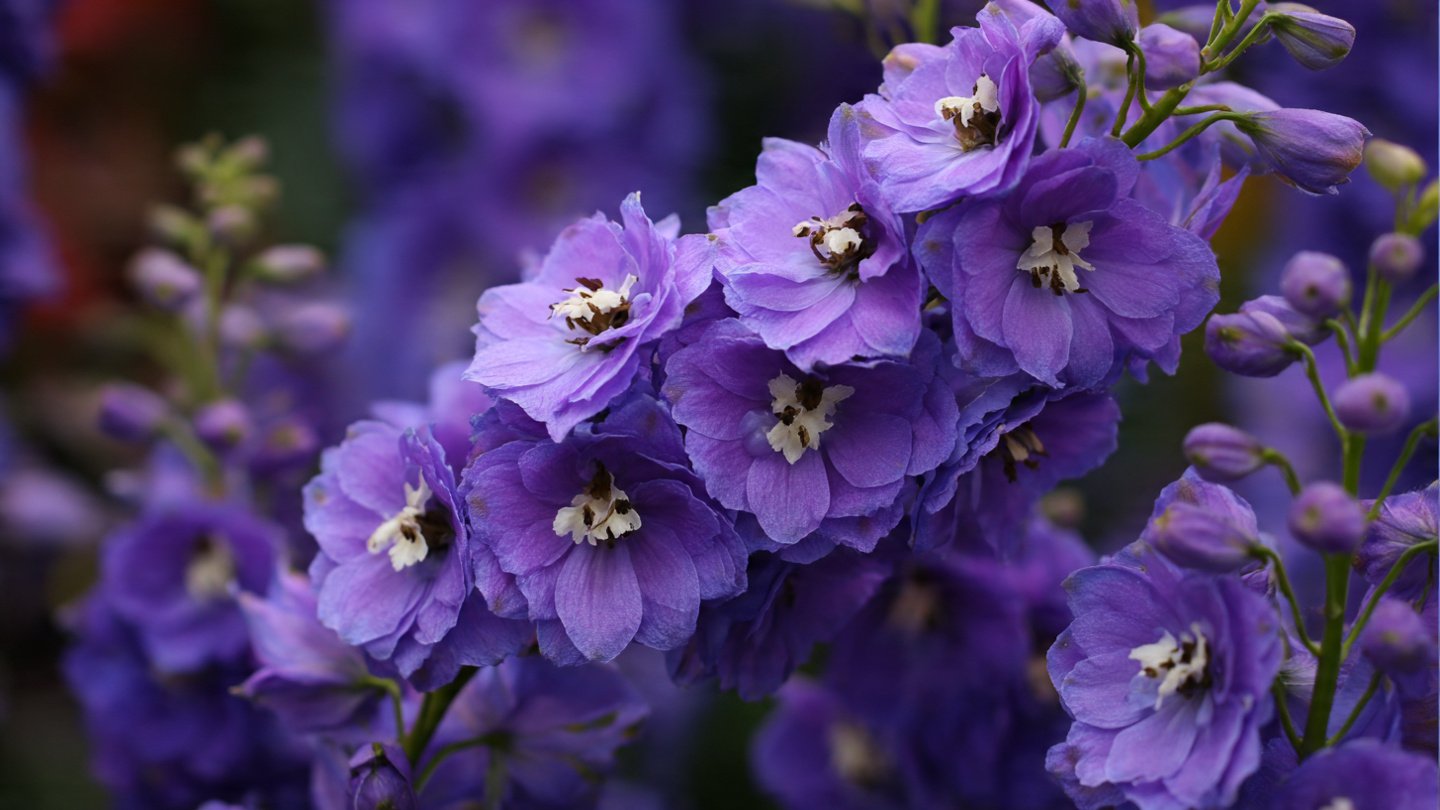
Delphiniums are beloved for their tall, striking flower spikes and vibrant colors, making them a favorite choice for many gardeners. However, the compact variety of delphinium, often referred to as dwarf delphiniums, offers an excellent option for those with limited space or who prefer a more manageable height. In this comprehensive guide, we will explore how to easily grow the compact variety of delphinium to create a stunning display in your garden.
Understanding Delphiniums
Delphiniums belong to the family Ranunculaceae and are native to the Northern Hemisphere. They come in various heights and colors, ranging from deep blues and purples to pinks and whites. The compact varieties typically grow between 18 to 24 inches tall, making them perfect for borders, pots, or smaller garden beds.
Advantages of Compact Delphiniums
- Space-Saving: Ideal for smaller gardens or container planting.
- Manageable Height: Requires less staking and support than taller varieties.
- Abundant Blooms: Still provides the characteristic stunning flowers without excessive height.
- Versatile Planting: Fits well into various garden designs, including cottage, modern, and formal arrangements.
Choosing the Right Compact Delphinium Variety
When selecting a compact delphinium, consider the following popular varieties:
- Delphinium ‘Magic Fountains’: This series features a mix of vibrant colors and has a bushy growth habit.
- Delphinium ‘Belladonna’: Known for its lovely blue flowers and slightly shorter stature.
- Delphinium ‘Blue Cloud’: A stunning blue with a compact habit, perfect for smaller gardens.
Always purchase your seeds or plants from reputable nurseries to ensure quality.
Ideal Growing Conditions
Location
Delphiniums thrive in full sun to partial shade. For the best blooms, aim for at least six hours of direct sunlight per day. In warmer climates, a bit of afternoon shade can help protect the plants from scorching.
Soil Type
Delphiniums prefer well-draining, nutrient-rich soil. The ideal pH level is around 6.0 to 7.0. To enhance soil fertility:
- Add Organic Matter: Mix in compost or well-rotted manure to retain moisture and provide nutrients.
- Ensure Drainage: Amend the soil with sand or perlite if it tends to retain water, as delphiniums are susceptible to root rot.
Watering Needs
Consistent moisture is essential, especially during the growing season. However, avoid overhead watering to reduce the risk of fungal diseases. Employ a drip irrigation system or water at the base of the plant. Ensure the soil remains moist but not soggy.
Fertilization
To encourage healthy growth and blooming, apply a balanced, slow-release fertilizer in early spring. Look for a formula with equal parts nitrogen, phosphorus, and potassium, or follow the directions on the packaging. Fertilizing every six weeks during the growing season can further enhance the flowers’ vibrant colors.
Planting Compact Delphiniums
When to Plant
You can plant compact delphiniums either in spring after the last frost or in autumn for overwintering. If starting from seeds, sow them indoors 6-8 weeks before the last frost date. Transplant the seedlings outdoors once they’re sturdy enough and the risk of frost has passed.
Spacing
When planting delphiniums, space them about 12-18 inches apart to allow for proper air circulation and room for growth. This spacing helps reduce the chance of disease and allows for each plant to fill out nicely.
Planting Technique
- Prepare the Soil: Loosen the soil and incorporate compost or fertilizers.
- Dig Holes: Create holes approximately twice the diameter of the root ball.
- Place the Plant: Set the plant in the hole, ensuring the crown is level with the soil surface.
- Backfill: Gently fill in around the roots and water thoroughly.
Caring for Compact Delphiniums
Mulching
Apply a layer of organic mulch around the base of the plants. This helps retain moisture, suppress weeds, and maintain a consistent soil temperature. As the mulch breaks down, it will also contribute nutrients back into the soil.
Pruning and Deadheading
Regular pruning encourages bushier growth and more blooms. After the first flowering, deadhead spent flowers to promote a second round of blooms. In late summer, cut back the plant to about 3-4 inches from the ground to prepare for winter.
Pest and Disease Management
Delphiniums can be prone to pests like aphids and spider mites. Monitor your plants regularly and use insecticidal soap or neem oil if necessary. Fungal diseases such as powdery mildew can affect delphiniums, especially in humid conditions:
- Air Circulation: Ensure plants are well-spaced.
- Watering: Water at the soil level to avoid wetting the foliage.
Winterizing Compact Delphiniums
Depending on your climate, winterizing your delphiniums may be necessary. In colder regions:
- Cut Back: Trim back the leaves and stems to about 3-4 inches post-bloom.
- Mulch: Add a thick layer of mulch to protect the roots from freezing temperatures.
- Watch for Snow: A natural insulating layer, snow can help protect dormant plants.
In milder climates, you may only need to do minimal protection.
Container Gardening with Compact Delphiniums
Growing compact delphiniums in containers is an excellent option for small gardens or patios. Here are some tips for successful container gardening:
Choosing Containers
- Size: Select pots that are at least 12 inches in diameter and depth to allow for adequate root growth.
- Drainage: Ensure your container has drainage holes to prevent water buildup.
Potting Mix
Use a quality potting mix rich in organic matter and designed for flowering plants. This will help retain moisture and provide necessary nutrients.
Watering and Care
Regularly check the moisture level in the potting mix, as container plants often dry out faster than those in the ground. Water when the top inch of soil feels dry.
Companion Planting
Delphiniums pair beautifully with various other flowers, which can create a vibrant, picturesque garden. Consider planting:
- Roses: Their bushy growth complements the vertical lines of delphiniums.
- Astilbe: The feather-like plumes provide textural contrast.
- Salvia: Attracts pollinators and adds height variation.
Conclusion
Growing the compact variety of delphinium can transform your garden into a stunning display of color and height variation. With the right care, soil conditions, and planting techniques, you can enjoy these breathtaking blooms for many seasons. Whether you’re an experienced gardener or a beginner, the compact delphinium is an excellent choice for elevating your gardening experience.
By following the guidelines laid out in this article, you’ll be well on your way to creating a stunning garden display that will captivate the eyes and hearts of all who see it. So gather your supplies, choose your favorite compact delphinium variety, and get ready to enjoy a beautiful floral showcase!