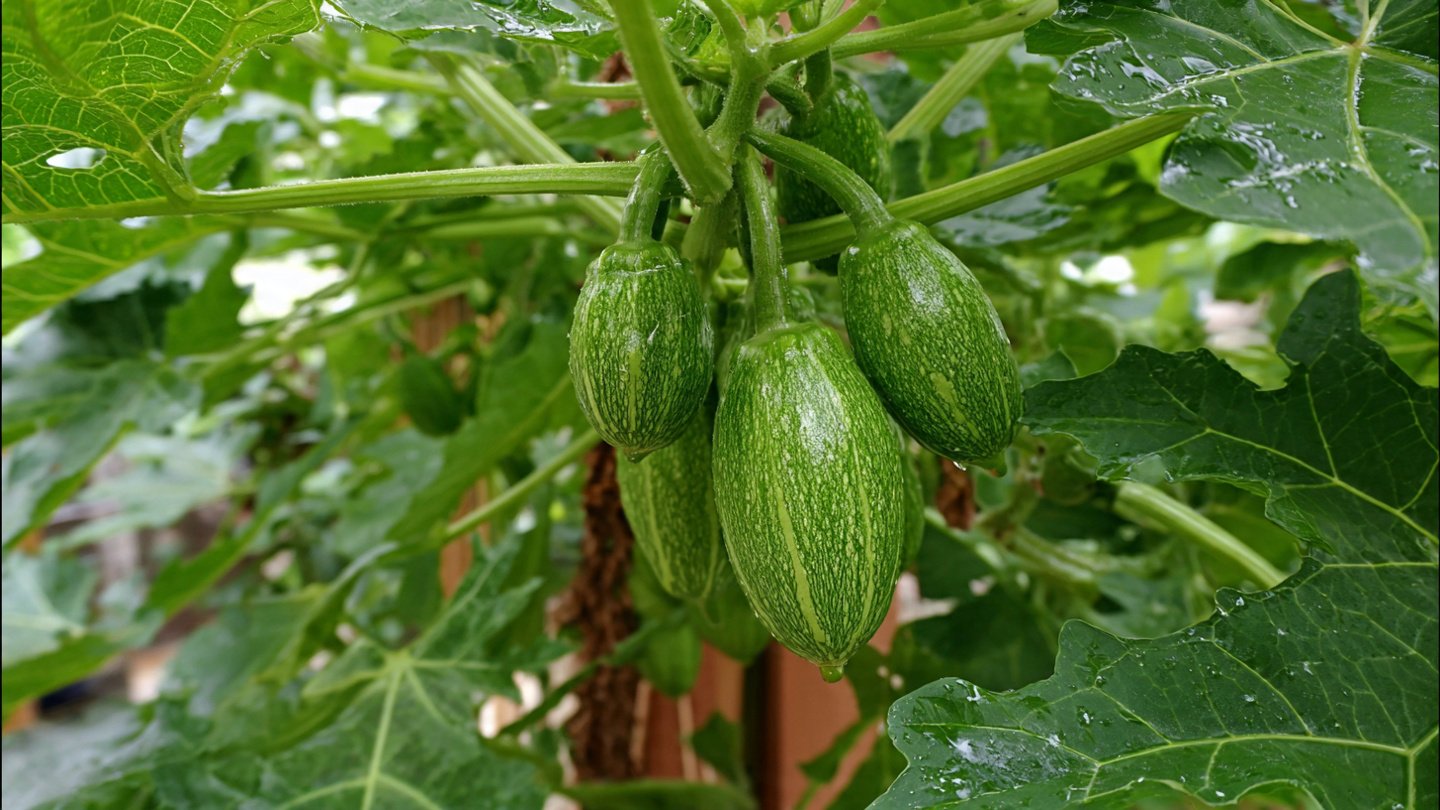
Tindora, also known as Ivy Gourd (Coccinia grandis), is a versatile and hardy plant native to tropical regions of Africa and Asia. This climbing vine is not only revered for its succulent, edible fruits but also for its medicinal properties and ornamental appeal. While both male and female flowers exist, female plants are key for fruit production. This article will delve into the best practices for successfully growing female Tindora plants, ranging from site selection to care and management.
Understanding Tindora and Its Lifespan
Before we dive into the cultivation practices, it’s crucial to understand the plant itself. Tindora is a perennial vine that can live for several years, usually thrives in areas with warm, humid climates, and can grow up to 5 meters or more in length. The leaves are heart-shaped, and the plant produces white to pale yellow flowers.
The distinction between male and female plants is important as only female flowers develop into fruit after being pollinated. Therefore, optimizing growth conditions for female plants directly correlates with fruit yield.
Selecting the Right Environment
Climate
Tindora thrives best in warm, humid conditions. Ideal temperatures range from 25°C to 35°C (77°F to 95°F). In regions with cooler temperatures, the growth rate may slow down significantly.
Soil Type
The ideal soil type for Tindora is loamy soil rich in organic matter. It should have good drainage and aeration to prevent root rot. The pH level of the soil should ideally be between 6.0 and 7.0. Conducting a soil test can provide insights into nutrient levels and any amendments needed.
Sunlight Requirements
Tindora plants require full sun for optimal growth. They thrive with at least 6-8 hours of direct sunlight daily. If there is insufficient light, the plants may become leggy, producing fewer flowers and, consequently, less fruit.
Planting Tindora Female Plants
Propagation
Tindora can be propagated through seeds or cuttings, but growing from cuttings is generally more reliable for producing female plants.
-
Cuttings Method:
- Take healthy, semi-hardwood cuttings of about 15-20 cm (6-8 inches) in length.
- Remove the lower leaves, leaving only a few top leaves.
- Plant the cuttings in well-draining soil and keep them moist until they develop roots.
-
Seed Method:
- Seeds should be soaked overnight before planting to accelerate germination.
- Plant seeds about 1.5 cm (0.6 inches) deep in seed trays or pots.
Transplanting
Once seedlings or cuttings have established roots, it’s time to transplant them to their final location. This should be done in late spring or early summer when the risk of frost is minimal.
- Spacing: Space the plants about 1 meter (3 feet) apart to allow for proper air circulation and growth.
- Support: Since Tindora is a climbing vine, provide a trellis or some form of support like a fence or poles to facilitate upward growth.
Watering Strategies
Watering is crucial during the initial growth stage, and the frequency will depend on weather conditions.
-
Young Plants: Keep the soil consistently moist but not waterlogged. A good practice is to water the plants two to three times a week.
-
Established Plants: Once established, Tindora requires less frequent watering. Water deeply rather than frequently, aiming for about 2.5 cm (1 inch) of water per week, depending on rainfall.
Nutritional Requirements
Tindora has moderate nutrient requirements. Fertilizing your plants can significantly enhance growth and fruit yield.
Organic Fertilizers
Using organic fertilizers, such as compost or well-rotted manure, can improve soil structure and nutrient content.
- Application: Apply organic fertilizer every 2-3 months during the growing season.
Synthetic Fertilizers
If you prefer synthetic options, use a balanced fertilizer (e.g., 10-10-10 NPK) to provide essential nutrients.
- Application: Apply every 4-6 weeks during the growing season, following the manufacturer’s instructions to avoid over-fertilization.
Pest and Disease Management
Being susceptible to various pests and diseases, Tindora requires regular monitoring:
Common Pests
- Aphids: Look for small green or black insects on the new growth.
- Spider Mites: This can cause yellowing leaves and webbing.
Control Measures:
- Introduce beneficial insects like ladybugs or lacewings.
- Use insecticidal soap or neem oil as a preventive measure.
Common Diseases
- Powdery Mildew: This fungal disease appears as a white powder on leaves.
Control Measures:
- Ensure proper air circulation and avoid overhead watering.
- Use fungicides as necessary.
Pollination Considerations
To ensure fruit development, female flowers must be pollinated, typically by bees or other pollinators. In areas with fewer pollinators, hand pollination can be effective.
- Hand Pollination: Use a soft brush to transfer pollen from male flowers to female flowers.
Harvesting Tindora
Harvesting Tindora typically takes place 2-3 months after flowering. It’s best to pick the fruits while they are still young and tender, ideally when they are about 5-7 cm (2-3 inches) long.
- Harvesting Techniques: Use scissors or pruning shears to cut the fruit from the vine, which minimizes damage to the plant.
Summary
In conclusion, successfully growing female Tindora plants requires a combination of the right environment, proper planting techniques, adequate nutrition, pest management, and care. By ensuring optimal conditions, you’ll enjoy a fruitful harvest and the many benefits this versatile plant offers. Regular monitoring, care, and attention to detail can turn your Tindora garden into a thriving source of edible delights.
With these practices in mind, you can embark on your journey of cultivating Tindora, providing both nutritional benefits and ornamental value to your gardening experience. Happy gardening!