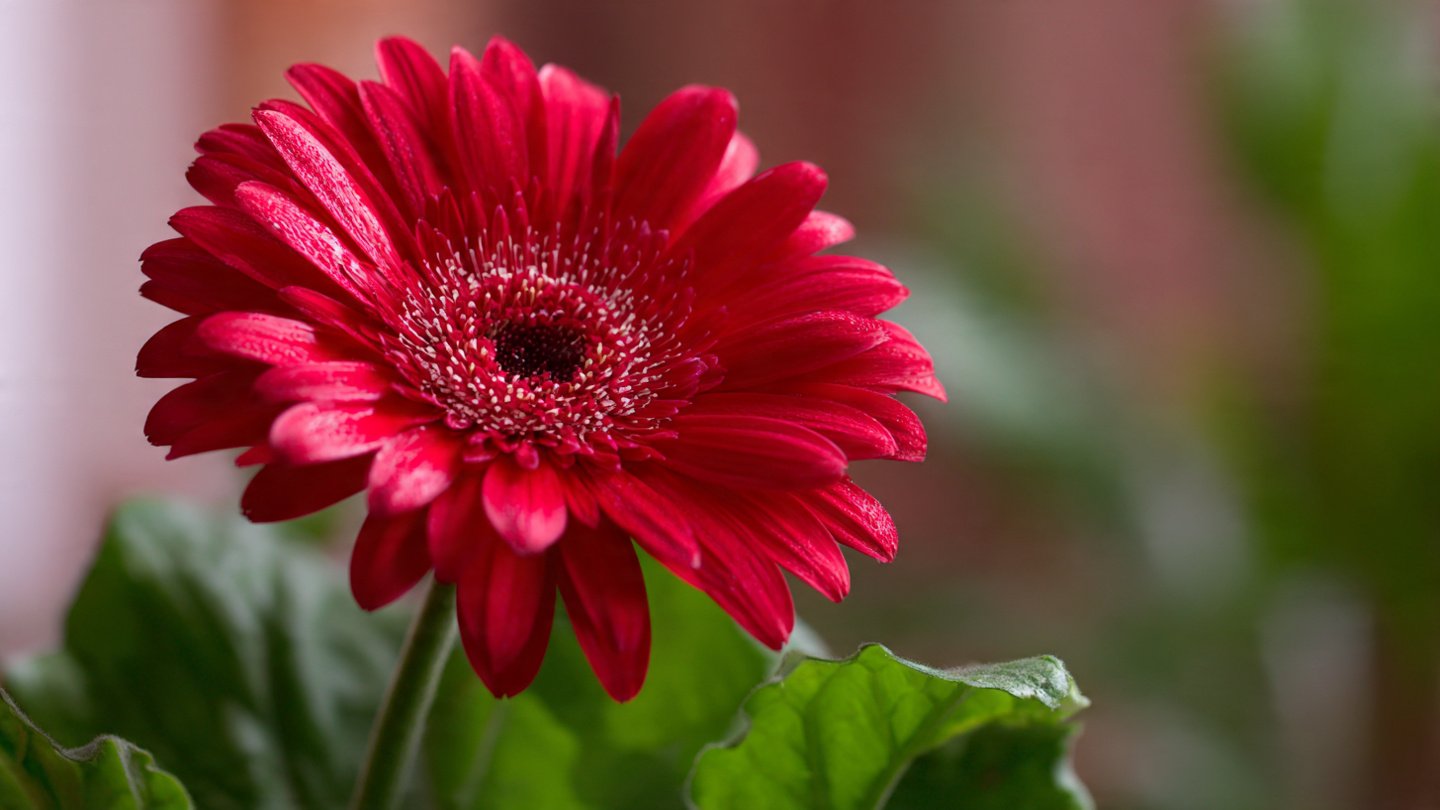
Gerbera daisies, with their vibrant colors and stunning forms, are a favorite among gardeners and florists alike. Known for their long-lasting blooms and variety of hues, these flowers can thrive in a controlled environment, particularly under grow lights. Growing gerberas under artificial light not only extends the growing season but also allows for more precise control over their growth conditions. In this article, we will explore the best methods for growing gerbera daisies under grow lights, ensuring that you obtain the most vibrant and healthy blooms possible.
Understanding Gerbera Daisies
Overview
Gerbera daisies come in numerous colors ranging from bright yellows and reds to soft pinks and whites. They belong to the Asteraceae family and are native to tropical regions of Africa, Asia, and South America. Gerberas prefer well-drained soil and benefit from full sun exposure, making them ideal candidates for indoor cultivation with the aid of grow lights.
Benefits of Growing Under Grow Lights
- Year-Round Cultivation: Grow lights allow you to cultivate gerberas throughout the year, irrespective of external weather conditions.
- Controlled Environment: You can manage the light duration, intensity, and spectrum, optimizing conditions for growth.
- Space Efficiency: Indoors, you can use vertical space creatively, optimizing your growing area.
Choosing the Right Grow Lights
Types of Grow Lights
-
LED Grow Lights: Highly energy-efficient, these lights have a long lifespan and emit less heat, reducing the risk of overheating plants. They also provide a balanced spectrum aimed at promoting flowering and growth.
-
Fluorescent Grow Lights: These are inexpensive and widely available. Compact fluorescent lights (CFLs) are ideal for growing seedlings, while T5 and T8 fluorescent tubes are effective for larger setups. They emit a cooler spectrum suitable for vegetative growth.
-
High-Intensity Discharge (HID) Lights: These include Metal Halide (MH) and High-Pressure Sodium (HPS) lights. While they produce significant heat and require a cooling system, they offer a high intensity of light and are effective for flowering plants like gerberas.
Factors to Consider
- Light Spectrum: Gerbera daisies thrive under a full-spectrum light. Ensure the grow lights can emit both blue (for vegetative growth) and red (for flowering) wavelengths.
- Intensity: Gerberas need around 12-16 hours of light per day. The intensity of light should be adjustable depending on the stage of growth.
- Heat Production: Ensure that the grow lights do not generate excessive heat, which can stress the plants.
Initial Preparation
Selecting the Right Containers
Choose containers with good drainage. Gerberas dislike “wet feet,” so pots with drainage holes are essential to prevent root rot. You can use plastic or biodegradable pots depending on your preference.
Potting Mix
Opt for a well-draining potting mix. A combination of peat moss, perlite, and vermiculite works well. This mix provides necessary aeration and moisture retention while ensuring that excess water drains away.
Fertilization
Start with a balanced fertilizer, preferably one rich in phosphorus, to encourage robust root development and vibrant bloom production. Look for fertilizers specifically formulated for flowering plants. As the plants grow, you can switch to a fertilizer higher in potassium to promote flowering.
Planting Gerbera Daisies
Seeds or Transplants
You can grow gerbera daisies from seeds or transplants. While seeds take longer, they can be more rewarding. Choose reputable seed banks for the best quality seeds. Seedlings can be purchased if you’re looking for quicker results.
Sowing Seeds
- Timing: The best time to start is 6-8 weeks before your target bloom date.
- Depth: Sow seeds about 1/4 inch deep in the potting mix.
- Humidity: Cover the pots with plastic wrap or a humidity dome until germination occurs, which usually takes 14-21 days.
- Light: Once the seedlings break ground, introduce them to grow lights, maintaining a distance that prevents them from getting leggy.
Transplanting
If starting from seedlings, transplant them after a few weeks of growth when they have developed two sets of true leaves. Carefully handle the roots to minimize stress.
Setting Up Your Grow Light System
Positioning
Place the grow lights about 12-24 inches above the tops of the gerbera plants. Adjust the height as the plants grow, ensuring they receive sufficient light without overheating or burning.
Light Duration
Gerbera daisies thrive on a light cycle of 12-16 hours. Use a timer to ensure consistency, as variations can lead to stunted growth or poor blooming.
Monitoring Light Intensity
Check the intensity of light using a light meter if possible. Optimal light intensity can drastically affect the overall health of the plants.
Watering and Humidity
Watering Routine
Water gerbera daisies when the top inch of soil feels dry. Ensure water drains adequately and never allow the plant to sit in water.
Humidity Levels
Gerberas prefer moderate humidity levels (around 40-60%). If humidity is too low, consider using a humidifier or placing a tray filled with water and pebbles beneath the plants.
Pruning and Maintenance
Deadheading
Regularly remove spent blooms to encourage new flowers. This practice also helps maintain the plant’s overall health and vigor.
Leaf Care
Prune any yellow or damaged leaves to redirect the plant’s energy toward blooming.
Pests and Diseases
Monitor for common pests like aphids or whiteflies. Use insecticidal soap or neem oil as preventative measures.
Troubleshooting Common Issues
Leggy Growth
If your gerbera daisies are stretching toward the light, it may indicate insufficient light intensity. Move the lights closer or increase the duration of exposure.
Poor Bloom Production
If your gerberas are growing well but not blooming, check that they are receiving the right nutrients—especially phosphorus and potassium. Adjust your fertilization regimen accordingly.
Yellow Leaves
Yellowing leaves can indicate overwatering or poor drainage. Ensure your pots have adequate drainage, and adjust your watering frequency.
Harvesting Blooms
When flowers reach full color, it’s time to harvest. Use sharp scissors at a 45-degree angle to cut the stems, allowing for longer-lasting blooms. If you’re growing gerberas for cut flowers, harvest in the early morning hours when temperatures are cool for the best quality.
Conclusion
Growing gerbera daisies under grow lights can be a rewarding experience, yielding beautiful blooms that brighten any space. By following the best practices laid out in this article, you can create an environment that nurtures these vibrant flowers, ensuring they grow robustly and thrive in your indoor garden. With careful attention to lighting, watering, and feeding, your gerberas will flourish, providing you with stunning displays year-round. Happy gardening!