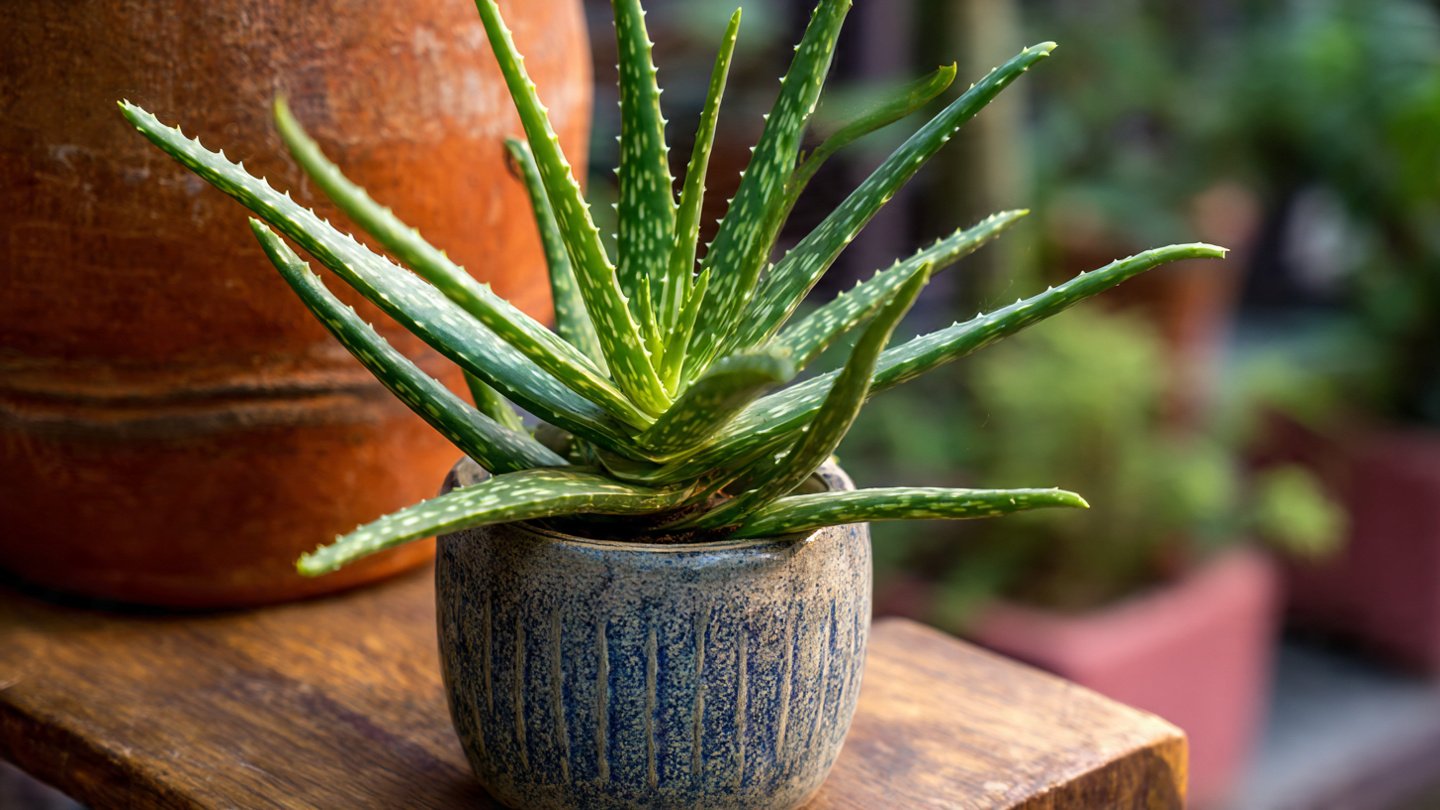
How to Easily Grow Aloe Vera Shrubs Outdoors: A Simple Way to Cultivate Your Garden
Aloe vera is not only a stunning succulent but also possesses numerous health benefits, making it a favorite among gardeners and health enthusiasts alike. Growing aloe vera outdoors can be a rewarding experience, and it’s easier than you might think. This comprehensive guide will walk you through everything you need to know to successfully cultivate aloe vera shrubs in your garden.
Why Grow Aloe Vera?
Before diving into the specifics of cultivation, let’s explore why aloe vera is such a desirable plant:
-
Medicinal Properties: Aloe vera gel is renowned for its soothing properties, particularly for skin irritations, cuts, sunburn, and even digestive issues.
-
Air Purification: Like many succulents, aloe vera helps purify the air, absorbing toxins and releasing oxygen.
-
Low Maintenance: It requires minimal care, making it perfect for both novice and experienced gardeners.
-
Versatile Uses: Beyond its therapeutic abilities, aloe vera can also be utilized in culinary dishes, smoothies, and homemade beauty products.
Climate Considerations
Aloe vera thrives in warm, dry climates, so understanding your local climate is crucial before planting. It grows best in USDA hardiness zones 9 to 11. If you live in a cooler zone, you can still cultivate aloe indoors or bring it indoors during colder months.
Selecting the Right Location
-
Sunlight: Aloe vera requires full sun for optimal growth. Choose a spot in your garden that receives at least 6 to 8 hours of sunlight daily. A south-facing slope is generally ideal.
-
Shelter: Ensure the site is protected from harsh winds which could damage the delicate leaves.
-
Drainage: Good drainage is critical to prevent root rot. Ensure the selected location does not retain water after heavy rains.
Soil Requirements
Choosing the right soil is fundamental to growing healthy aloe vera shrubs:
-
Well-Draining Soil: A cactus mix or a specially formulated succulent soil is ideal. You can also make your own by mixing regular potting soil with sand or perlite to enhance drainage.
-
pH Balance: Aloe vera prefers slightly acidic to neutral soil, with a pH range of 6.0 to 7.0.
-
Nutrients: While aloe vera is not a heavy feeder, incorporating organic matter like compost can provide the necessary nutrients without overwhelming the plant.
Planting Aloe Vera
Once you’ve prepared your location and soil, it’s time to plant your aloe vera:
-
Acquiring Aloe Vera: You can start with seeds, offsets (pups), or nursery-grown plants. Seed cultivation can be more challenging, so many gardeners prefer starting with offsets or nursery plants.
-
Spacing: If planting multiple aloe vera shrubs, space them about 18 to 24 inches apart. This distance ensures ample air circulation around each plant.
-
Depth: When planting, make sure the root ball is level with the soil surface. Avoid burying the plant too deep, as this can cause rot.
-
Watering: Water thoroughly after planting but allow the soil to dry out before the next watering. Aloe vera is drought-tolerant but appreciates some moisture during the initial planting phase.
Maintenance Tips
-
Watering: Once established, aloe vera prefers dry conditions. Water only when the top inch of soil feels dry; typically, this translates to once every 2 to 3 weeks during growing seasons and less frequently in winter.
-
Fertilizing: Fertilization should be minimal. Use a diluted, balanced fertilizer once in the spring. Over-fertilization can lead to weak growth.
-
Pruning: Remove any dead or damaged leaves at the base to cultivate a healthy plant. This not only keeps the shrub looking tidy but also encourages new growth.
-
Pest Management: Aloe vera is relatively pest-resistant, but keep an eye out for mealybugs and aphids. If you notice any pests, treat the plant with insecticidal soap or neem oil. Always test any treatment on a small area first to ensure the plant is not sensitive.
Seasonal Care
-
Summer: During the hot summer months, you may need to water your aloe more frequently, especially if experiencing a dry spell.
-
Winter: In colder months, reduce watering significantly. If temperatures drop below freezing, consider bringing the plant indoors or providing protective coverings.
Common Issues and Troubleshooting
Even with the best care, issues may arise. Here are some common problems and their solutions:
-
Overwatering: Yellow, mushy leaves are a sign of overwatering. If you suspect root rot, gently remove the plant from the soil and inspect the roots. Trim away any brown, mushy roots and repot in dry soil.
-
Underwatering: Leaves will start to wrinkle and wilt with insufficient water. Increase your watering frequency, but ensure the soil drains well.
-
Discoloration: If leaves turn brown or develop spots, it may be due to too much direct sunlight. Consider relocating the plant to a slightly shaded area.
-
Slow Growth: If your aloe isn’t thriving, it could be nutrient-deficient or root-bound. Check the potting conditions and consider repotting if necessary.
Harvesting Aloe Vera
Once your aloe vera plants are well-established, you can start harvesting the leaves:
-
Select Mature Leaves: Choose the lower leaves as they tend to be the most substantial and healthy. Cut them at the base using a sharp knife.
-
Extraction: Lay the leaves flat and slice them open to scoop out the gel. This gel can be used for various purposes, from DIY skincare to culinary applications.
-
Storage: Fresh aloe gel will stay good for about a week in the refrigerator. For longer storage, consider freezing it in ice cube trays.
Conclusion
Growing aloe vera shrubs outdoors is not only simple but also provides an array of benefits for your garden and home. With minimal effort, you can enjoy the beauty and health advantages that these hardy plants bring. By paying careful attention to climate, soil conditions, and maintenance, you can cultivate a thriving aloe vera garden, reaping the rewards of this incredible succulent for years to come.
Whether you want to harness its healing properties or simply enjoy its striking appearance, aloe vera is a worthy addition to any garden. Start your aloe vera journey today and watch as these resilient plants flourish in your outdoor space!