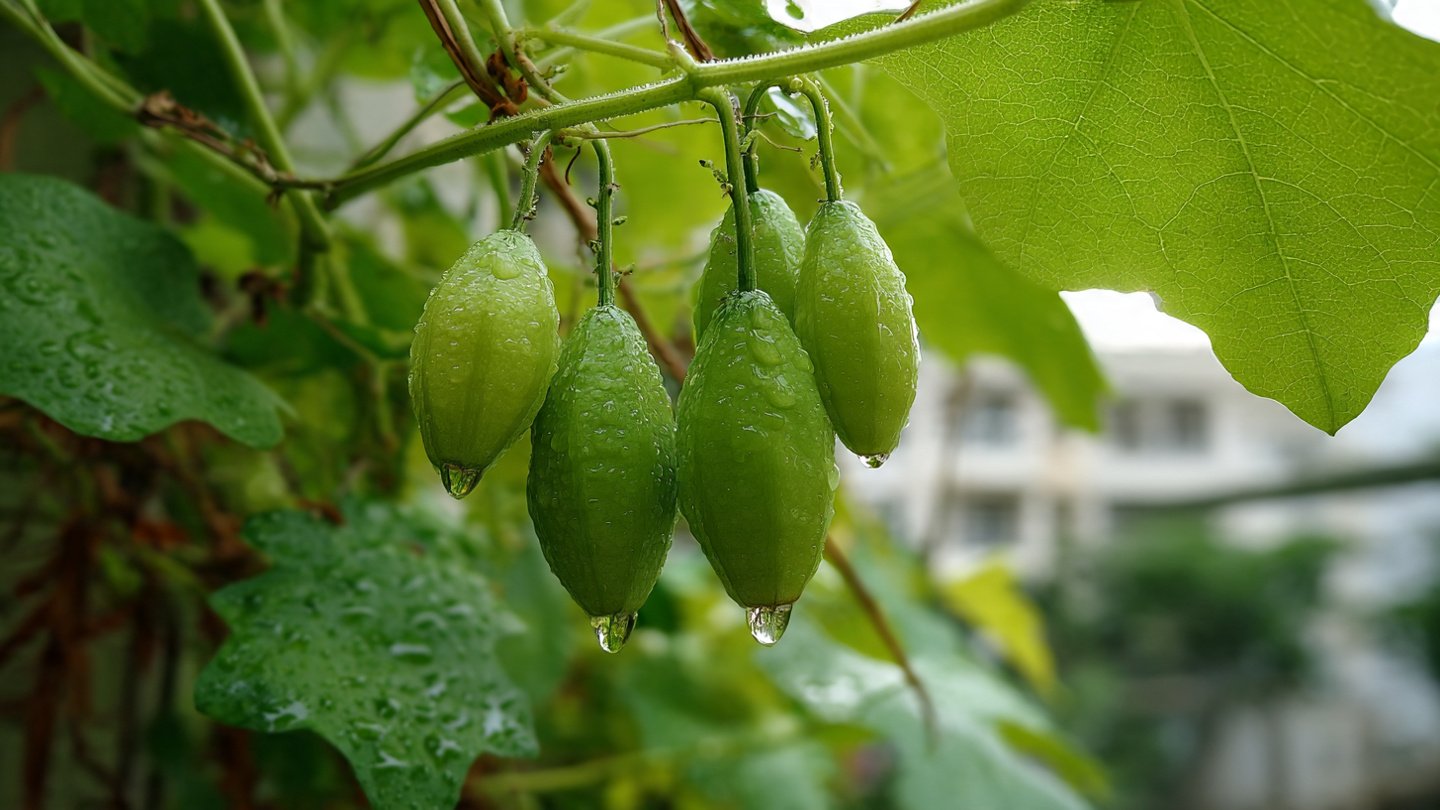
Ivy gourd, scientifically known as Coccinia grandis, is an intriguing and versatile plant that has garnered attention for its numerous benefits. It’s commonly found in tropical and subtropical regions and is prized for its fast growth and nutritional value. The plant produces small, edible fruits that are not only delicious but also packed with vitamins and minerals. If you want to cultivate ivy gourd in your garden, there is a simple method to follow that can make the process easy and effective.
Understanding Ivy Gourd
Ivy gourd is a creeping vine that belongs to the Cucurbitaceae family, which also includes cucumbers and melons. The plant features heart-shaped leaves and produces small, elongated fruits that turn from light green to red-orange as they ripen. The young leaves and shoots can also be consumed, making it a versatile addition to your vegetable repertoire.
In many cultures, particularly in Southeast Asia, ivy gourd is used in various dishes, from stir-fries to salads. It is rich in vitamins A and C, iron, and fiber, making it a nutritious choice for a healthy diet. Beyond its culinary uses, ivy gourd is believed to offer several health benefits, including potential anti-diabetic properties.
Ideal Growing Conditions
Before diving into the simple method for growing ivy gourd, it’s important to understand the ideal growing conditions for this hardy plant:
1. Climate:
Ivy gourd thrives in warm climates, preferring temperatures between 70°F to 95°F (21°C to 35°C). It can tolerate a bit of shade but flourishes best in full sunlight.
2. Soil Type:
Well-draining, loamy soil enriched with organic matter is ideal. The soil should have a pH level ranging from 6.0 to 7.5.
3. Watering:
Regular watering is crucial, especially during the dry months. However, ensure that the soil does not become waterlogged as it can lead to root rot.
4. Space:
Ivy gourd is a vigorous climber, so ensure there is ample space for the vine to spread. A trellis or supporting structure is recommended.
The Simple Method to Grow Ivy Gourd
Growing ivy gourd is relatively simple and can be accomplished using the following steps:
Step 1: Seed Preparation
-
Obtaining Seeds:
You can purchase ivy gourd seeds from a local gardening store or online. You can also collect seeds from the mature fruit. -
Preparation:
If using seeds from fruits, clean the seeds thoroughly and let them dry for a few days. For purchased seeds, check the expiration date to ensure viability. -
Soaking:
Soak the seeds in water for 24 hours before planting. This helps to speed up germination.
Step 2: Planting Seeds
-
Timing:
Plant the seeds in the spring when the risk of frost has passed. This will give the plant ample time to grow through the warm months. -
Soil Preparation:
Prepare your soil by mixing in compost or well-rotted manure to enhance fertility. -
Planting:
Sow the seeds about 1 inch deep and 2-3 feet apart in a sunny spot. If you’re planting in pots, ensure each pot is at least 6-8 inches deep.
Step 3: Watering and Maintenance
-
Initial Watering:
After planting, water the soil generously but avoid making it soggy. Keep the soil consistently moist during the germination period, which typically lasts 7-14 days. -
Continued Care:
Once the seedlings emerge, water them regularly. During dry spells, ivy gourd requires more frequent watering. -
Mulching:
Apply a layer of mulch around the base to retain moisture and suppress weed growth.
Step 4: Supporting the Vines
As ivy gourd grows, it will need support. You can create a simple trellis using wooden stakes or wire fencing.
-
Trellising:
Encourage the vines to grow upwards by gently tying them to your support structure. This allows for better airflow and sunlight exposure while minimizing the risk of pests. -
Pruning:
Regularly prune the vines to promote growth and remove any damaged or unnecessary leaves. This also helps in directing energy towards fruit production.
Step 5: Fertilizing
-
Nutrient Management:
Ivy gourd benefits from balanced fertilizers. Use a general-purpose fertilizer or one specifically formulated for vegetables every 4-6 weeks during the growing season. -
Organic Options:
If you prefer organic gardening, consider using fish emulsion or compost tea as a natural fertilizer.
Step 6: Pest and Disease Management
Regularly monitor your plants for pests such as aphids, spider mites, and whiteflies. Implement the following strategies:
-
Natural Predators:
Introduce beneficial insects, such as ladybugs, to help control pest populations. -
Neem Oil:
Use neem oil spray as a natural pesticide, applying it in the early morning or late afternoon to avoid harming beneficial insects. -
Crop Rotation:
Practice crop rotation each year to avoid soil-borne pests and diseases.
Step 7: Harvesting
Once the ivy gourd fruits turn from green to red-orange and reach about 4-6 inches in length, they are ready for harvest. Use sharp scissors or pruning shears to cut the fruits from the vine.
-
Timing:
Harvest regularly to encourage more fruit production. The more you harvest, the more the plant will produce. -
Storage:
Fresh ivy gourd can be stored in the refrigerator for up to a week. You can also pickle or preserve the fruits for extended shelf life.
Benefits of Growing Ivy Gourd
-
Nutritional Value:
Ivy gourd is low in calories and rich in dietary fiber, vitamins, and minerals, making it an excellent dietary addition. -
Fast Growth:
The ivy gourd is known for its rapid growth, often yielding fruits within 2-3 months of planting. -
Versatility:
The fruit, leaves, and flowers can be cooked or added to various dishes, offering variety to your meals. -
Aesthetic Appeal:
The lush green vines and vibrant fruits can enhance the beauty of your garden.
Conclusion
Growing ivy gourd can be a rewarding and enriching experience. With the simple method outlined above, you can easily cultivate this nutritious plant in your backyard. Whether you are looking to enhance your culinary options or enjoy the aesthetic appeal of a green vine, ivy gourd is an excellent choice. By providing the right growing conditions and consistent care, you can reap the benefits of ivy gourd fruiting in no time. So gather your seeds, prepare your garden, and embark on this fruitful journey!