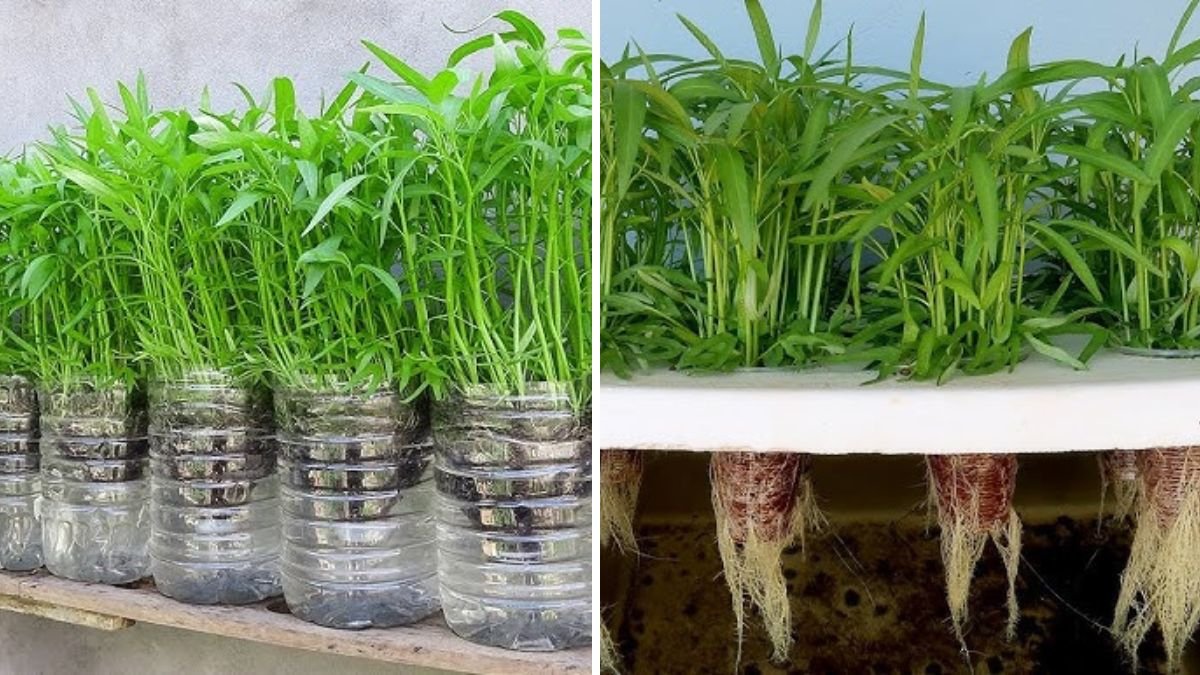
Growing vegetables at home often feels like a challenge—limited space, water restrictions, and lack of gardening knowledge can discourage beginners. But what if you could grow healthy, productive vegetables using just one bottle of water per plant? That’s exactly what many home gardeners are discovering with simple, efficient watering techniques.
This guide will walk you through the step-by-step method of growing vegetables with minimal water, explain why it works, and share tips for maximizing growth and yield in small spaces.
Why Water Efficiency Matters in Home Gardening
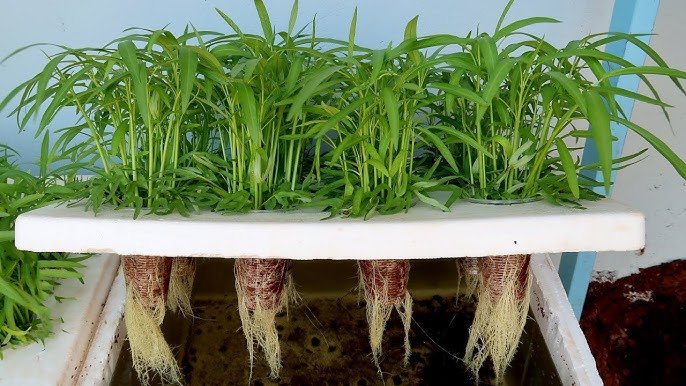
Water is one of the most critical resources for plants. Proper watering:
- Supports healthy root growth
- Promotes nutrient absorption
- Prevents wilting and stress
- Reduces disease risk
However, overwatering is a common problem in home gardens, leading to root rot, fungal infections, and wasted resources. By learning to grow vegetables using just a single bottle of water, you can save water, improve plant health, and achieve surprising results.
The Concept: One Bottle Per Plant
The one-bottle method is both simple and ingenious. It involves creating a slow-release watering system using a plastic bottle, which provides consistent moisture directly to the plant’s roots.
Why This Works
- Targeted watering: Water goes directly to the roots, reducing evaporation
- Slow-release: Keeps soil moist for longer periods without overwatering
- Deep root development: Roots grow toward the water source, creating stronger plants
- Water-saving: Perfect for urban gardening, terraces, or areas with limited water supply
With just one bottle of water per plant, even small container or balcony gardens can thrive.
Step 1: Selecting the Right Vegetables
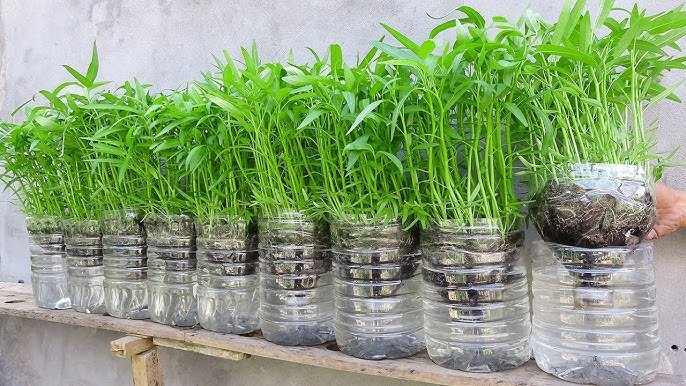
Almost any vegetable can benefit from this method, but some are particularly well-suited:
- Tomatoes: Require consistent moisture for fruiting
- Cucumbers: Thrive with slow, deep watering
- Peppers: Benefit from targeted root hydration
- Lettuces and leafy greens: Grow quickly and stay crisp with steady water supply
- Carrots and radishes: Root vegetables flourish when water penetrates soil slowly
Choose plants that fit your available space, climate, and culinary needs.
Step 2: Preparing the Plastic Bottle
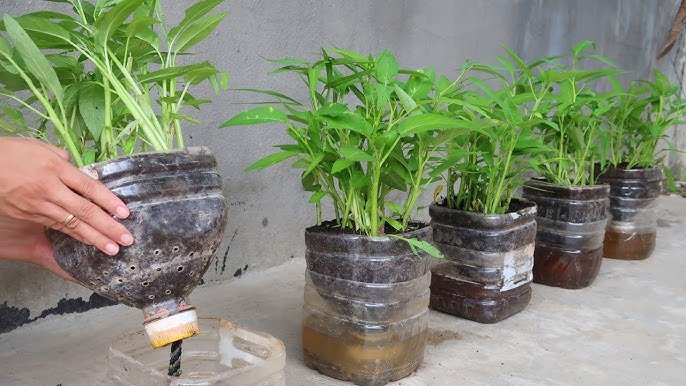
You only need a 1–2 liter plastic bottle per plant.
Steps
- Wash the bottle thoroughly to remove any residue
- Make 2–4 small holes at the bottom for water to seep out slowly
- Optional: Cut a small flap on the side for easier filling
- Fill with water and cap loosely if needed to prevent debris from entering
This simple setup acts as a mini irrigation system for each plant.
Step 3: Preparing the Soil
Healthy soil is key to maximizing growth with minimal water.
Ideal Soil Mix
- 50% garden soil or topsoil
- 30% compost or vermicompost for nutrients
- 20% sand or cocopeat for drainage and aeration
This mix ensures moisture retention without waterlogging, helping vegetables thrive on limited water.
Step 4: Planting Vegetables
Plant seeds or seedlings close to where the bottle will be placed.
Guidelines
- Dig a small hole 2–3 inches deep for seeds or seedlings
- Place seedlings gently into the soil
- Position the bottle next to the plant, slightly buried for stability
- Water lightly after planting to help roots establish
With the bottle in place, water delivery becomes precise and efficient.
Step 5: Using the One-Bottle Watering Method
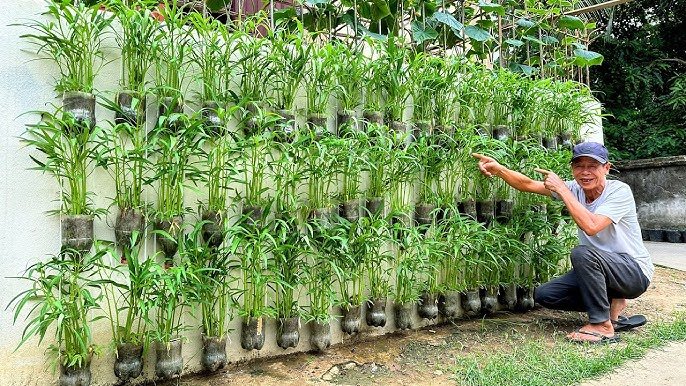
Once the bottle is positioned, it becomes the plant’s personal irrigation system.
How It Works
- Fill the bottle with water once a day or every two days, depending on plant size and weather
- Water slowly seeps into the soil through the holes, providing consistent moisture
- Roots grow downward and outward toward the water source
- Minimal evaporation means water usage is greatly reduced
This method mimics natural deep watering and promotes strong, healthy root systems.
Step 6: Benefits of the One-Bottle Method
Using a single bottle per plant offers numerous advantages:
- Water Efficiency: Saves hundreds of liters over the season
- Faster Growth: Plants receive steady moisture, which reduces stress and boosts development
- Stronger Plants: Deep root growth improves stability and nutrient absorption
- Healthier Yield: Vegetables are larger, juicier, and more flavorful
- Low Maintenance: Reduces the need for daily manual watering
Even beginners can achieve impressive results with minimal effort.
Step 7: Fertilizing Vegetables
Even with careful watering, nutrients are essential for maximum yield.
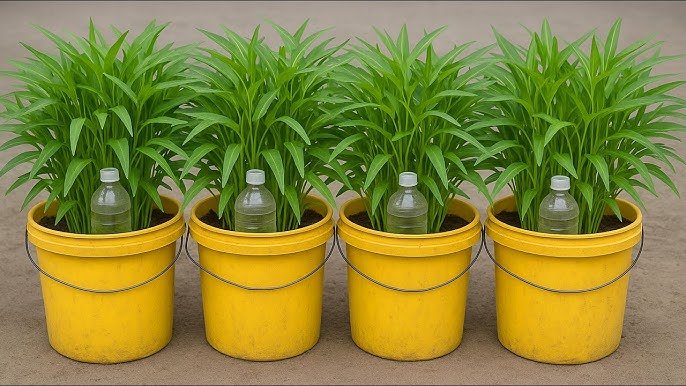
Fertilizer Tips
- Apply compost or vermicompost every 2–3 weeks
- Use liquid organic fertilizers (cow dung water, compost tea, or seaweed extract) every 10–14 days
- Add potash during flowering or fruiting for larger fruits
- Avoid over-fertilization, which can harm plants
Balanced nutrition ensures continuous growth and high-quality vegetables.
Step 8: Pest and Disease Management
Healthy plants are less prone to pests, but regular monitoring is essential.
Common Issues
- Aphids and whiteflies
- Fungal infections due to overwatering or poor airflow
- Leaf miners or caterpillars
Solutions
- Inspect plants regularly and remove damaged leaves
- Use neem oil or organic insecticides for pest control
- Maintain good spacing and airflow between plants
Healthy roots and consistent moisture from the bottle method help prevent most common problems.
Step 9: Harvesting Vegetables
Vegetables grown with the one-bottle method tend to produce faster and more abundantly.
Harvesting Tips
- Pick leafy greens as soon as leaves are large and tender
- Harvest fruiting vegetables like tomatoes, cucumbers, and peppers at their peak color and size
- Regular harvesting encourages continuous growth and higher yields
With careful care, one bottle of water can support a productive plant for the entire season.
Step 10: Expanding the Method for Multiple Plants
This technique can easily be scaled for small gardens or container setups.
- Use one bottle per plant in terrace gardens, pots, or raised beds
- Place multiple bottles strategically to cover a row of plants
- Refill bottles daily or every other day depending on climate and plant size
Even with limited space and water, you can maintain a thriving vegetable garden.
Final Thoughts: Small Effort, Big Results
Using just one bottle of water per plant is a revolutionary way to grow vegetables, especially for urban gardeners, beginners, or anyone with limited water resources. This method promotes deep root growth, stronger plants, water conservation, and higher yields, all with minimal effort.
By following this simple approach, you can transform a balcony, terrace, or small backyard into a productive vegetable garden, proving that sometimes less really is more. With just one bottle of water, the results will surprise you—and your vegetables will thank you with healthy, flavorful harvests season after season.