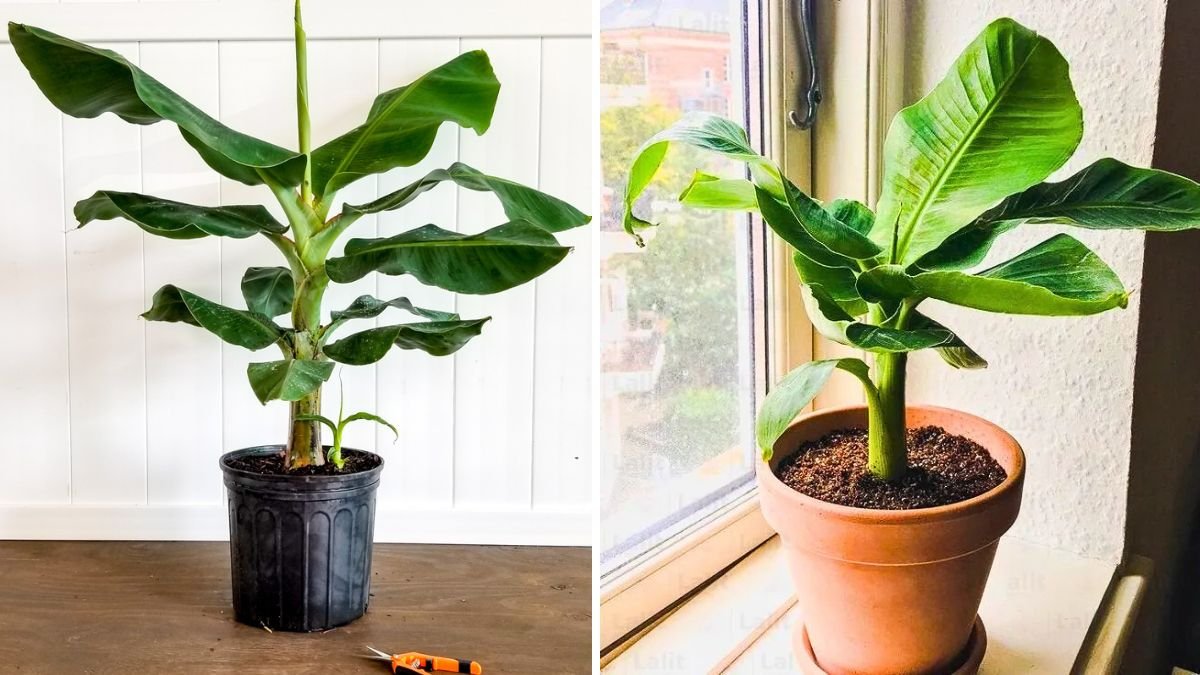
Bananas are one of the most popular and widely consumed fruits worldwide. Known for their sweet taste, high nutritional value, and versatility, they are a staple in many households. Growing banana trees at home is not only rewarding but also allows you to enjoy fresh, organic fruits straight from your garden. While many gardeners start with suckers or nursery plants, there is an exciting method that involves propagating banana trees directly from banana fruits.
In this article, we’ll explore step-by-step techniques to grow banana trees from banana fruits, including seed germination, care for seedlings, and tips to ensure strong growth and fruitful harvests.
1. Understanding Banana Trees and Their Growth Requirements
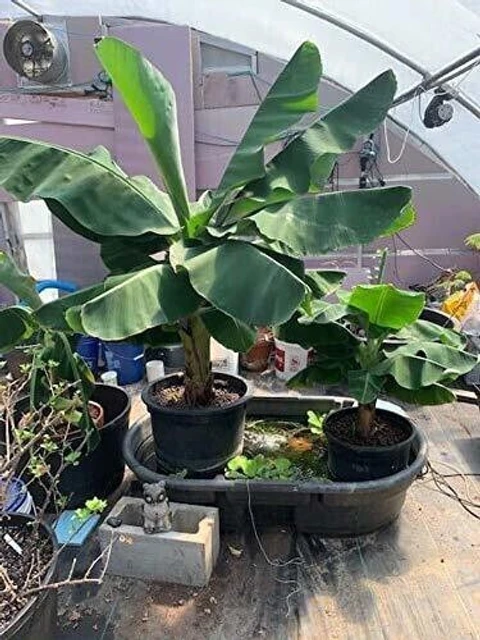
Before propagating banana trees, it’s important to understand the plant’s requirements:
- Climate: Banana trees thrive in tropical and subtropical climates with warm temperatures and high humidity.
- Soil: They prefer well-drained, fertile soils rich in organic matter. Sandy loam with compost is ideal.
- Sunlight: Full sun exposure is essential for healthy growth and fruit production.
- Watering: Regular watering is critical, especially during dry seasons, but waterlogging should be avoided.
- Temperature: Banana trees grow best in temperatures between 26°C and 30°C (79°F–86°F).
Understanding these conditions helps your banana plants thrive and produce high yields.
2. Propagating Banana Trees from Banana Fruit Seeds
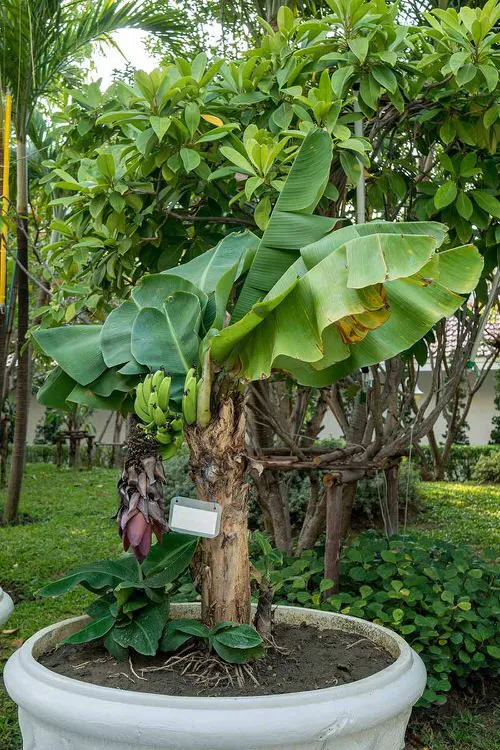
Although commercial bananas are usually propagated through suckers or tissue culture because many varieties are seedless, certain wild banana species contain viable seeds. If you have a banana fruit with seeds, here’s how to propagate a tree from it:
Step 1: Select the Banana Fruit
- Choose a fully ripe banana fruit that contains mature seeds.
- Avoid overripe or damaged fruits.
Step 2: Extract and Clean the Seeds
- Slice the banana carefully and remove the seeds from the pulp.
- Wash the seeds thoroughly to remove any remaining fruit residues.
Step 3: Pre-Germination Treatment
- Soak the seeds in water for 24–48 hours to soften the seed coat.
- Some gardeners also scarify the seeds lightly with sandpaper to encourage germination.
Step 4: Prepare a Seed Bed or Pot
- Fill a pot or tray with a mixture of sandy soil, compost, and peat.
- Sow the seeds 1–2 cm deep. Cover lightly with soil.
- Maintain a warm, humid environment to promote germination.
Step 5: Germination and Early Care
- Banana seeds typically germinate within 3–6 weeks.
- Keep the soil moist and protect seedlings from direct sunlight initially.
- Once seedlings develop 2–3 true leaves, transplant them into larger pots or the garden.
Advantages of Seed Propagation:
- Easy and cost-effective for wild banana species.
- Produces multiple seedlings from a single fruit.
Disadvantages:
- Many cultivated bananas are seedless and cannot be grown from fruit seeds.
- Trees may take several years to produce fruit.
3. Alternative Methods: Using Suckers for Banana Propagation
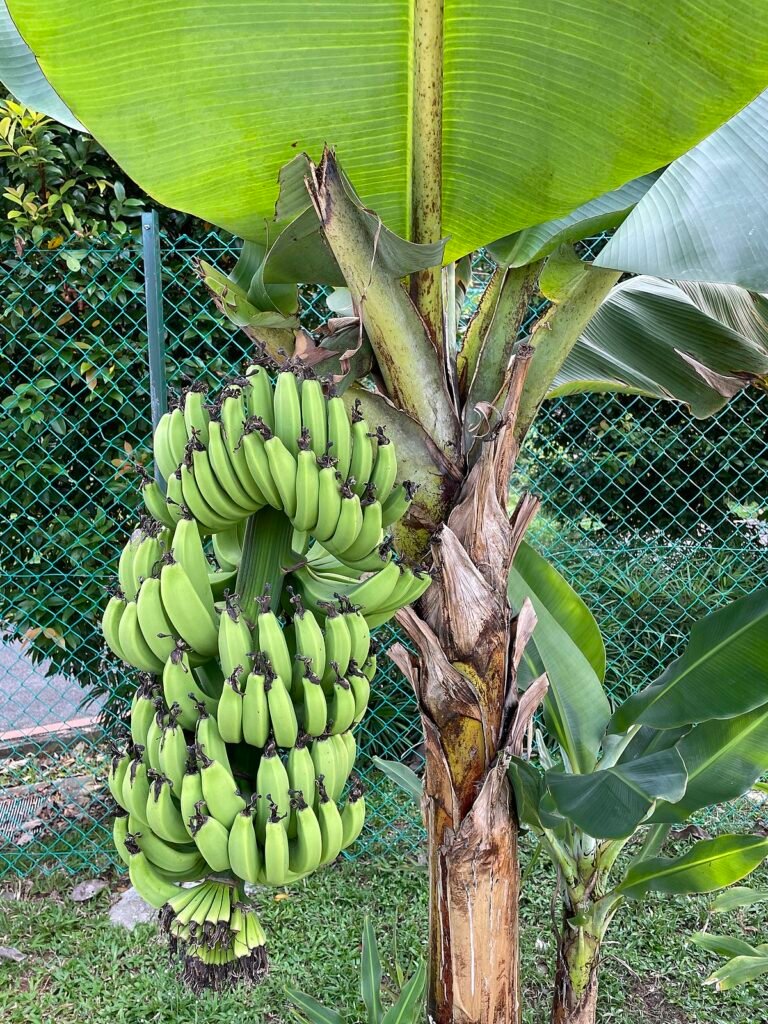
For cultivated banana varieties that do not have viable seeds, the most common propagation method is through suckers, which are shoots that grow from the base of a mature banana plant.
Step 1: Select a Healthy Sucker
- Choose a sucker that is 3–4 feet tall with at least one or two healthy leaves.
- Ensure it is disease-free and has a small corm attached.
Step 2: Separate the Sucker
- Carefully remove the sucker from the parent plant using a sharp knife, making sure the roots and corm remain intact.
Step 3: Prepare the Planting Site
- Choose a sunny location with fertile, well-drained soil.
- Dig a hole large enough to accommodate the sucker’s roots and corm.
Step 4: Plant the Sucker
- Place the sucker in the hole and fill with soil mixed with compost or organic fertilizer.
- Water thoroughly and mulch around the base to retain moisture.
Step 5: Care and Maintenance
- Water regularly, especially during dry periods.
- Fertilize every 2–3 months with a balanced fertilizer.
- Remove any dead leaves to prevent pests and diseases.
Advantages of Sucker Propagation:
- Faster fruiting (typically 9–12 months).
- Maintains the genetic traits of the parent plant.
Disadvantages:
- Limited number of suckers per plant.
- Requires careful handling to avoid damage during transplantation.
4. Caring for Young Banana Trees
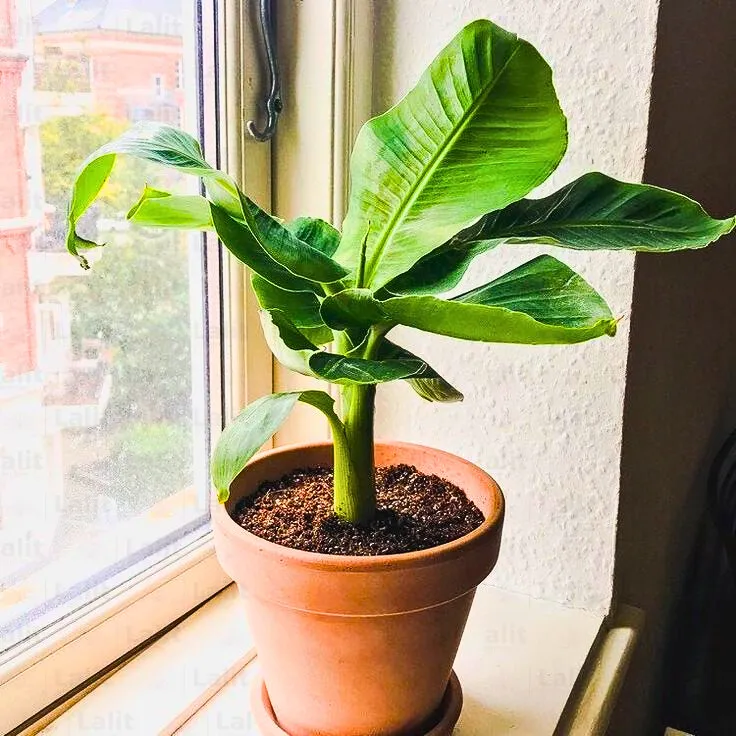
Proper care ensures that your banana trees grow strong and productive:
- Watering: Banana plants require consistent moisture, particularly during the growing season. Use drip irrigation or regular watering to keep the soil evenly moist.
- Fertilization: Apply a high-potassium fertilizer to encourage flowering and fruiting. Organic compost, cow manure, or leaf mulch works well.
- Sunlight: Banana plants need at least 6–8 hours of direct sunlight daily. Gradually expose young plants to full sun.
- Pest Control: Monitor for banana pests such as aphids, weevils, and nematodes. Apply organic or chemical controls as necessary.
- Pruning: Remove old or damaged leaves regularly to promote healthy growth and prevent disease.
5. Tips for Maximizing Banana Fruit Production
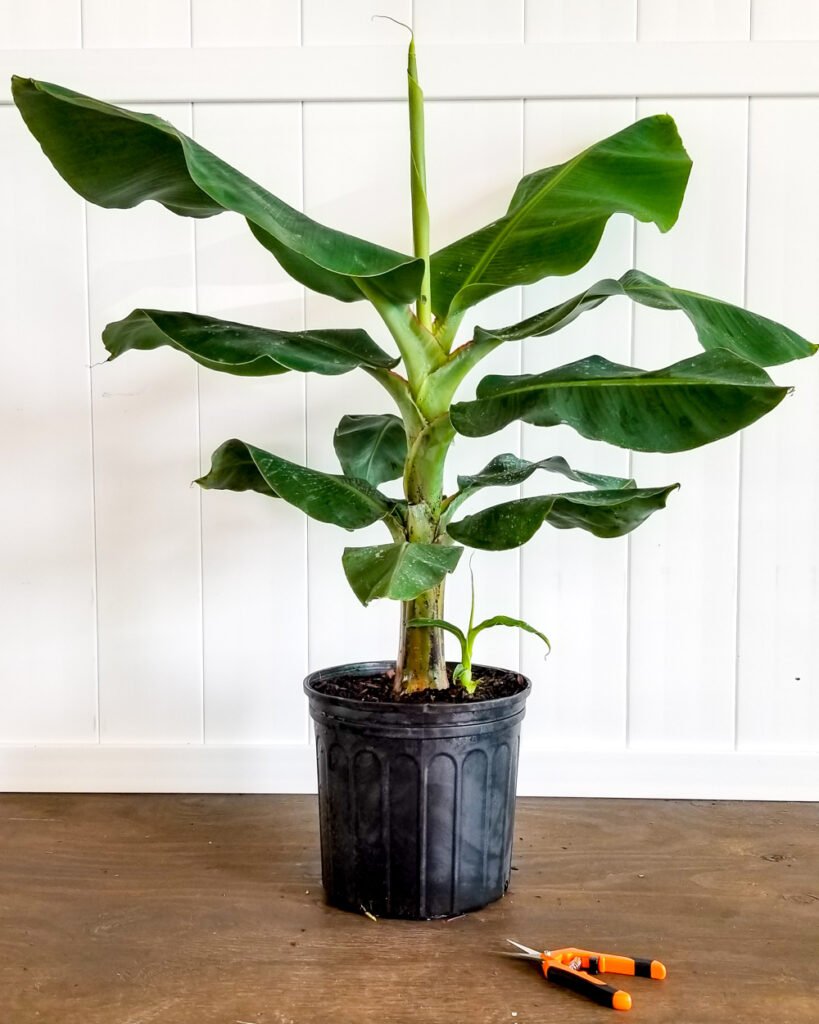
- Plant Spacing: Space banana plants 2–3 meters apart to allow sufficient airflow and sunlight.
- Mulching: Apply mulch around the base to conserve moisture, suppress weeds, and regulate soil temperature.
- Support: As plants grow and start fruiting, provide support stakes to prevent heavy bunches from toppling the plant.
- Pollination: Some banana varieties require cross-pollination for fruit set; encourage pollinators like bees in your garden.
- Remove Suckers: Remove excess suckers to focus energy on the main plant for better fruiting.
6. Harvesting and Enjoying Your Bananas
- Bananas are usually ready for harvest 9–12 months after planting, depending on the variety.
- The fruit is mature when the skin is green to yellow, and the tips start to round.
- Cut the entire bunch carefully to avoid damaging the plant, and allow new suckers to grow for future harvests.
- Enjoy fresh bananas or use them in smoothies, desserts, and baked goods.
7. Conclusion
Growing banana trees from banana fruits or suckers is a rewarding way to create a home orchard and enjoy fresh, organic bananas. While seed propagation is suitable for wild varieties, most cultivated bananas are best propagated through suckers to maintain fruit quality and speed up fruit production.
By following proper planting techniques, providing attentive care, and ensuring the right environmental conditions, you can cultivate strong, healthy banana trees that produce delicious fruits for years to come.
Propagating bananas is not just gardening—it’s a journey of patience and nurturing, turning a single fruit or plant into a flourishing garden full of sweet, nutritious bananas. With care, dedication, and proper techniques, your banana orchard can become a thriving, fruit-filled paradise.