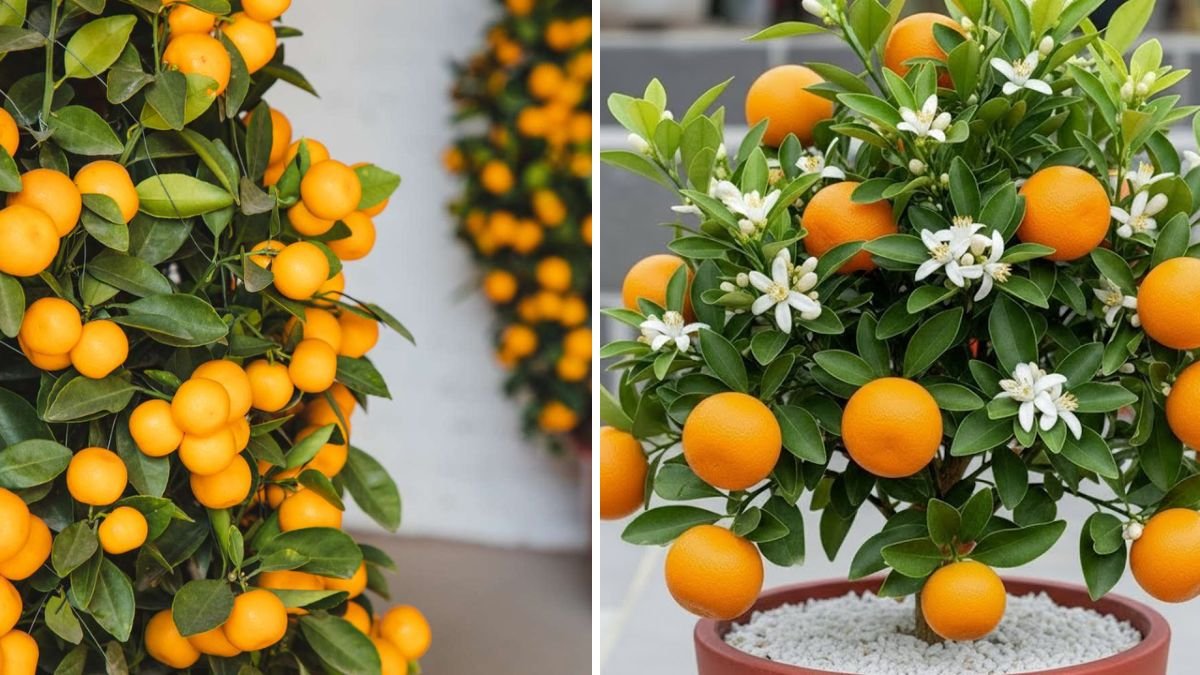
Oranges are one of the most popular and widely cultivated fruit trees worldwide. Not only are they delicious and nutritious, packed with vitamin C and antioxidants, but they also make a beautiful addition to any garden or orchard. For gardeners and fruit enthusiasts, knowing how to propagate orange trees is a key step in ensuring a steady supply of high-quality fruits. Propagation allows you to expand your orchard, preserve superior varieties, and enjoy fruiting trees sooner than starting from seeds alone.
In this article, we’ll explore the most effective methods to propagate orange trees, including seeds, cuttings, and grafting. We’ll also provide tips for nurturing young trees to ensure healthy growth and abundant fruit production.
1. Understanding Orange Trees and Their Growing Conditions
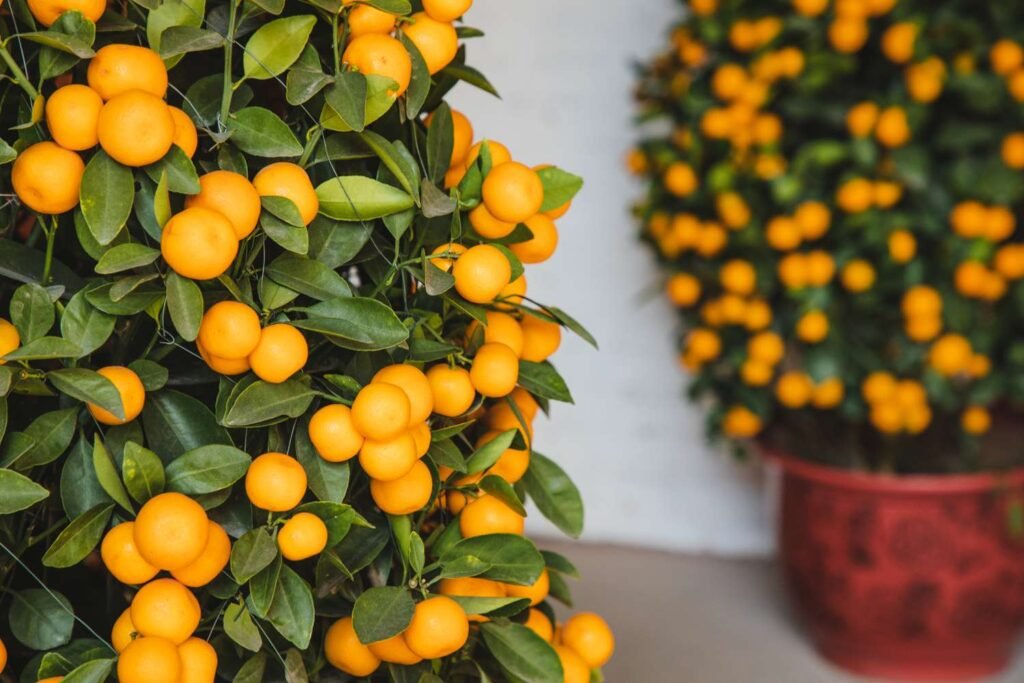
Before diving into propagation techniques, it’s essential to understand the tree itself and the conditions it requires for optimal growth:
- Climate: Orange trees thrive in tropical and subtropical regions with plenty of sunlight and warm temperatures.
- Soil: Well-drained sandy loam soil enriched with organic matter is ideal. Avoid waterlogged areas to prevent root rot.
- Sunlight: Full sun exposure ensures strong growth and higher fruit yield.
- Watering: Regular watering is necessary, particularly during dry periods, but overwatering can harm the roots.
- Temperature: Ideal growth occurs in temperatures between 15°C and 35°C (59°F–95°F).
Understanding these requirements will help your propagated trees establish quickly and grow into healthy, productive orange trees.
2. Propagating Orange Trees from Seeds
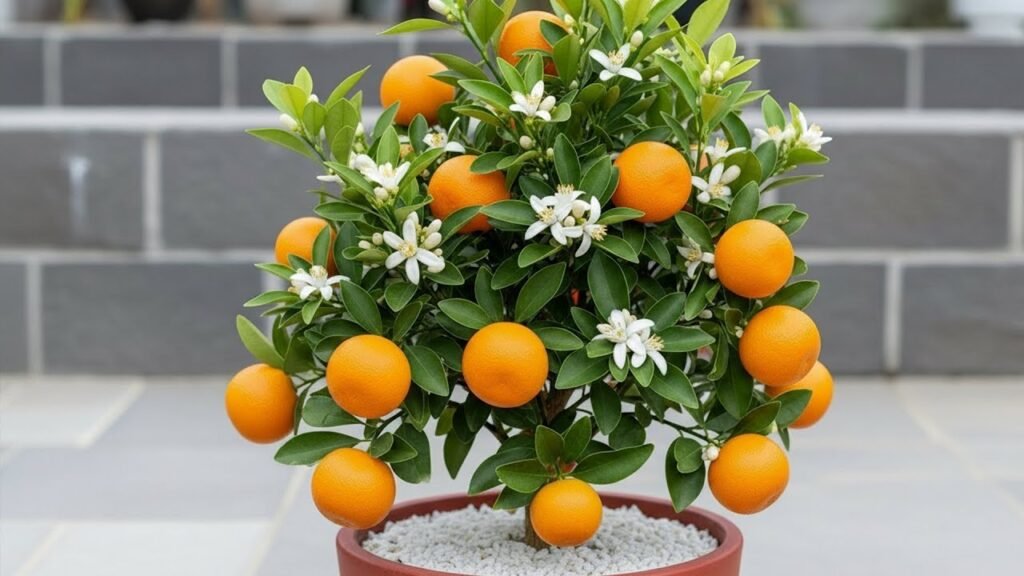
Seed propagation is the simplest method for growing orange trees, though it comes with certain limitations. Here’s a step-by-step guide:
Step 1: Select High-Quality Seeds
Choose fully ripe oranges from a healthy tree. Extract the seeds carefully and discard any that appear damaged or shriveled.
Step 2: Clean and Prepare Seeds
Wash the seeds thoroughly to remove pulp residues, which can cause mold or disease during germination. Some gardeners soak seeds in water for 24 hours to soften the seed coat.
Step 3: Prepare the Seed Bed
Fill pots or seed trays with a mixture of sandy soil and compost. Plant the seeds about 1–2 cm deep and cover lightly with soil.
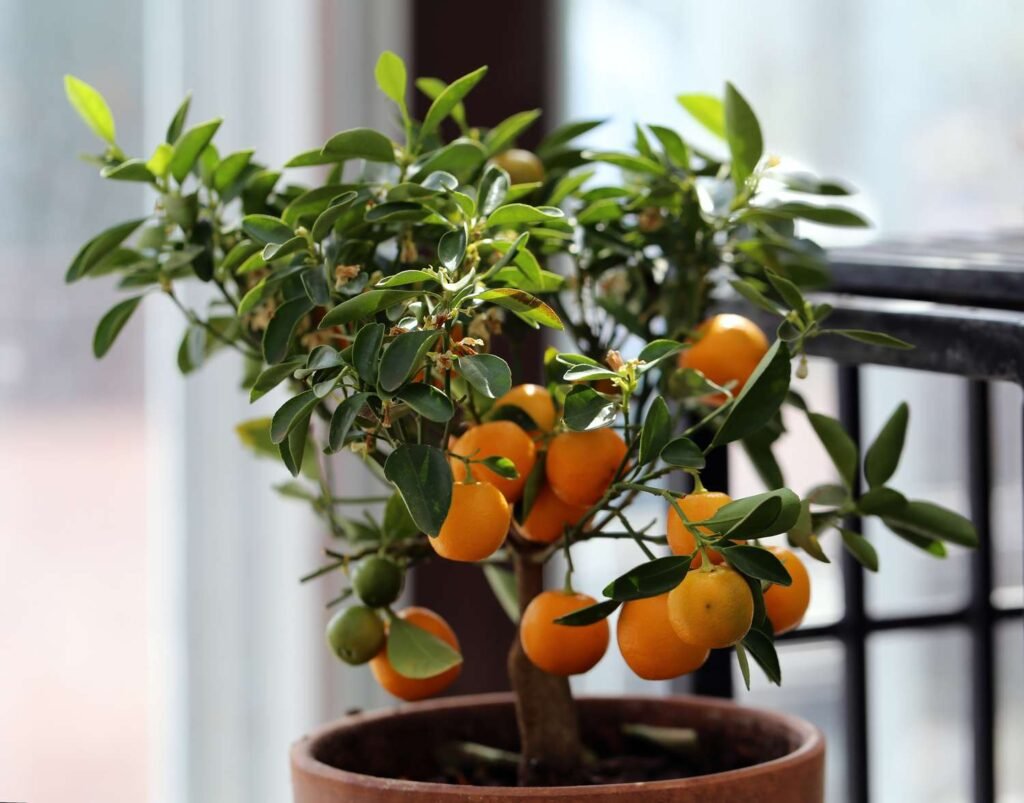
Step 4: Germination and Care
Place the pots in a warm, shaded location. Keep the soil consistently moist, but avoid waterlogging. Seeds usually germinate within 2–4 weeks. Once seedlings develop 2–3 sets of true leaves, they can be transplanted into larger pots or directly into the garden.
Advantages of Seed Propagation:
- Simple and cost-effective.
- Produces multiple seedlings at once.
Disadvantages:
- Trees may take 5–7 years to bear fruit.
- Fruit quality can vary, as seedlings may not be identical to the parent tree.
3. Propagating Orange Trees from Cuttings
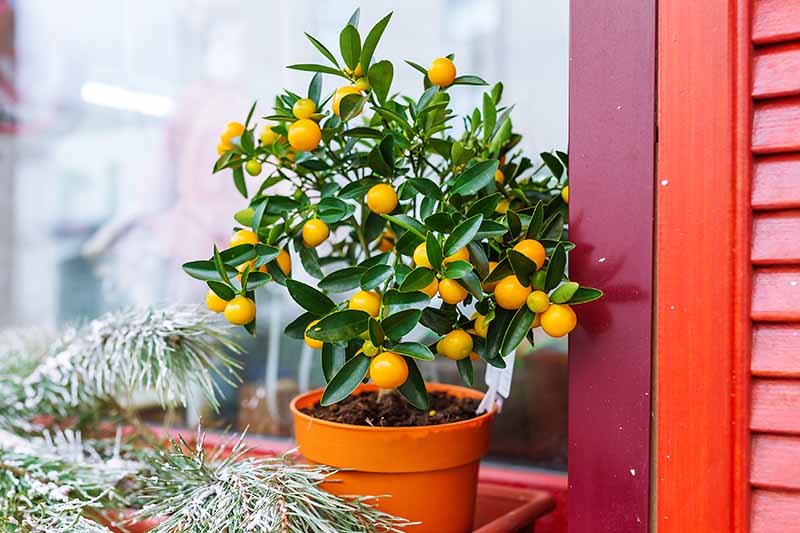
Propagation through cuttings allows you to produce new trees that are genetically identical to the parent tree, ensuring consistent fruit quality.
Step 1: Select a Healthy Branch
Choose a semi-hardwood branch from a mature orange tree. The cutting should be 20–30 cm long with at least 2–3 nodes.
Step 2: Prepare the Cutting
Remove leaves from the lower half of the cutting. Dip the cut end in rooting hormone to stimulate root development.
Step 3: Plant the Cutting
Insert the cutting into a pot filled with a mixture of sand, compost, and soil. Keep the soil consistently moist and cover the cutting with a transparent plastic bag or humidity dome to retain moisture.
Step 4: Rooting and Care
Roots typically develop within 4–6 weeks. Once new growth appears, gradually acclimate the cutting to outdoor conditions. After establishing a strong root system, transplant it into a permanent location.
Advantages of Cutting Propagation:
- Produces trees that maintain parent fruit quality.
- Faster fruiting than seed-grown trees.
Disadvantages:
- Rooting success depends on cutting quality and environmental conditions.
- Requires careful attention to moisture and humidity.
4. Propagating Orange Trees by Grafting
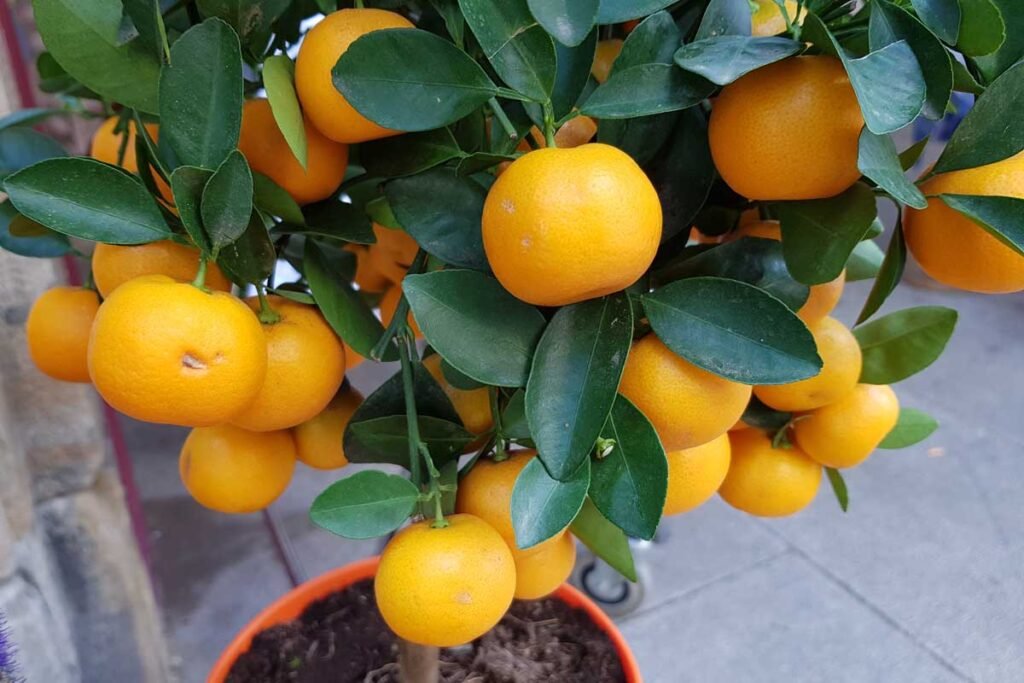
Grafting is the preferred method for commercial propagation because it ensures uniform fruit quality and accelerates fruit production.
Step 1: Select Scion and Rootstock
- Scion: A healthy branch from a mature tree with desirable fruit characteristics.
- Rootstock: A strong seedling or established tree that is disease-free and adapted to local soil conditions.
Step 2: Choose a Grafting Technique
Common grafting methods for orange trees include:
- Cleft Grafting: Suitable for larger rootstocks.
- Budding (T-budding): Ideal for young seedlings or small branches.
Step 3: Perform the Graft
Make clean cuts on both the scion and rootstock, ensuring that the cambium layers align perfectly. Secure the graft with grafting tape or wax to protect it from moisture loss and pests.
Step 4: Post-Grafting Care
Place the grafted plant in a shaded, sheltered location for 2–3 weeks. Keep the soil moist and monitor for pests. Once the graft shows new growth, gradually acclimate it to full sunlight.
Advantages of Grafting:
- Faster fruiting (2–3 years).
- Maintains parent tree fruit quality.
- Reduces susceptibility to certain diseases.
Disadvantages:
- Requires skill and practice.
- Slightly higher cost due to scion and materials.
5. Caring for Young Orange Trees
Proper care ensures that your propagated orange trees thrive and produce abundant fruit:
- Watering: Maintain consistent moisture, particularly during dry seasons, but avoid waterlogging.
- Fertilization: Use a balanced fertilizer (NPK 10:10:10) every 2–3 months during the first year. Organic compost or well-rotted manure also improves soil fertility.
- Sunlight: Ensure young trees get full sunlight exposure gradually after initial shading.
- Pest Management: Monitor for common pests such as aphids, scale, and fruit flies. Use integrated pest management methods to control infestations.
- Pruning: Remove weak or damaged branches and prune to shape the tree for better fruit production.
6. Tips for Maximizing Orange Fruit Production
- Choose High-Quality Scions: For grafting, select scions from trees that consistently produce high-quality fruits.
- Maintain Soil Health: Regularly add compost or organic matter to improve soil fertility and tree health.
- Spacing: Plant trees at least 3–5 meters apart to allow sufficient sunlight and airflow.
- Pollination: Encourage bees and other pollinators by planting flowering plants nearby, as cross-pollination improves fruit set.
- Mulching: Apply mulch around the base to retain moisture, suppress weeds, and maintain soil temperature.
7. Conclusion
Propagating orange trees is a rewarding and practical way to ensure a steady supply of delicious, vitamin-rich fruits. Whether you choose seed propagation, cuttings, or grafting, each method has its advantages and can be tailored to your goals and resources.
Seed propagation is simple and affordable but may take longer to produce fruit and can result in variable fruit quality. Cuttings and grafting allow faster fruiting and consistent fruit characteristics. By following proper techniques and providing attentive care, you can successfully propagate orange trees and enjoy bountiful harvests year after year.
With patience, dedication, and proper management, your garden can flourish into a thriving citrus orchard. Propagation is not just a horticultural technique—it’s the gateway to transforming your garden into a fruitful paradise filled with sweet, juicy oranges for your family and community.