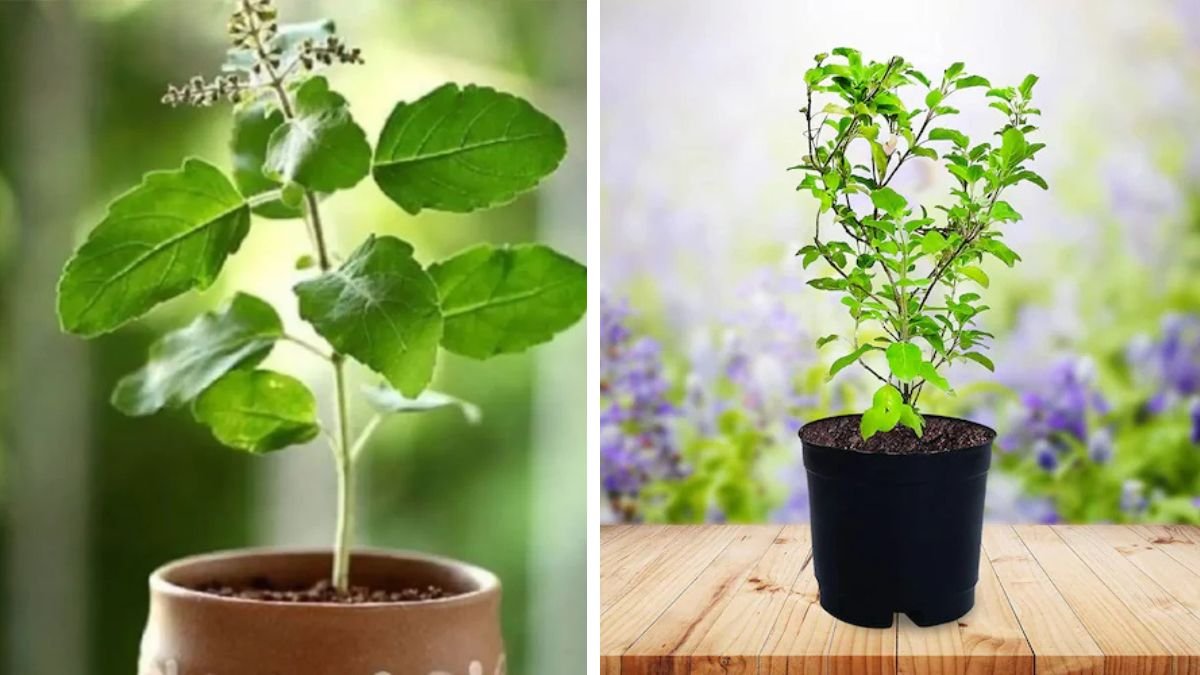
Tulsi, also known as holy basil (Ocimum sanctum), is a revered plant in Hindu culture and traditional medicine systems. It is celebrated for its numerous health benefits, and many people cultivate it in their homes for culinary and medicinal purposes. This guide provides comprehensive steps to grow a lush and dense Tulsi plant, ensuring you maximize its health benefits.
Understanding Tulsi
Cultural Significance
In India, Tulsi is considered a sacred plant. It is often worshipped and is associated with purity and healing. The leaves are used in religious rituals and are a staple in Ayurvedic medicine.
Health Benefits
The health benefits of Tulsi are extensive. It is known to:
- Boost immunity
- Act as an adaptogen
- Fight inflammation
- Promote digestive health
- Support cardiovascular health
- Aid in respiratory conditions
- Improve mental clarity
Choosing the Right Varieties
Before planting, it’s important to choose the right variety of Tulsi. There are several types, each with unique properties:
1. Rama Tulsi (Ocimum sanctum)
A common variety, known for its mild aroma and flavor.
2. Krishna Tulsi (Ocimum tenuiflorum)
Characterized by its dark purple leaves and spiciness, this variety is often used in Ayurvedic remedies.
3. Vana Tulsi (Ocimum gratissimum)
This wild variety has a strong aroma and is often found in forested areas.
For maximum health benefits and growth, Rama and Krishna Tulsi are excellent choices.
Ideal Growing Conditions
Climate
Tulsi thrives in warm, tropical climates but can also grow in temperate zones with sufficient sunlight. The ideal temperature for growth ranges from 20°C to 30°C (68°F to 86°F).
Soil
Well-drained, nutrient-rich soil is vital for healthy Tulsi growth. A pH of 6.0 to 7.0 is preferred. Adding organic matter or compost can enhance soil nutrition.
Sunlight
Tulsi plants require full sunlight (6-8 hours a day) for optimal growth. Insufficient light can lead to weak, leggy plants.
Planting Tulsi
Starting from Seeds
- Seed Selection: Choose high-quality, organic seeds.
- Sowing Indoors: Start seeds indoors 6-8 weeks before the last frost. Use seed trays filled with seed-starting mix.
- Germination: Keep the soil moist but not saturated. Seeds typically germinate within 1-3 weeks.
Transplanting
When seedlings develop two pairs of true leaves and the risk of frost has passed, transplant them outdoors.
- Spacing: Space plants 12-18 inches apart to allow for adequate airflow and growth.
- Depth: Dig a hole slightly larger than the root ball, place the seedling, and cover it with soil.
Growing from Cuttings
If you have an established Tulsi plant, you can propagate new plants from stem cuttings.
- Selecting Cuttings: Choose healthy, non-flowering stems.
- Preparation: Cut a stem about 4-6 inches long, remove the lower leaves, and place it in water or directly into soil.
- Rooting: Change water every few days if using this method, and roots should develop in 1-2 weeks.
Care and Maintenance
Watering
Tulsi prefers moderately moist soil. Over-watering can lead to root rot, so wait until the top inch of soil is dry before watering. Consistent moisture is key, especially during hotter months.
Fertilization
Apply a balanced, organic fertilizer every 4-6 weeks to encourage lush growth. Options include:
- Fish emulsion
- Compost tea
- Seaweed extract
Pruning
Regular pruning encourages bushier growth and prevents flowering. Pinch off the top 1-2 inches of the plant when it reaches about 6 inches in height. Remove any flowers that develop to direct energy toward leaf production.
Pest Management
Tulsi is generally pest-resistant. However, keep an eye out for aphids and spider mites. Use organic pesticides or a solution of water mixed with a few drops of dish soap to manage infestations.
Harvesting
Harvesting is crucial for maximizing health benefits. The best time to harvest Tulsi is just before flowering, when the essential oil content is highest.
Methods
- Leaf Harvesting: Pick the leaves individually or cut sprigs while avoiding the woody stems.
- Frequency: Regular harvesting encourages new growth. Aim to harvest every 2 to 3 weeks.
Drying
If you wish to preserve Tulsi, drying is a great option:
- Wash and dry the leaves.
- Spread them out on a clean, dry surface in a shaded area.
- Once completely dry, store them in an airtight container away from sunlight.
Additional Tips for Maximum Health Benefits
Companion Planting
Tulsi grows well alongside other plants such as tomatoes, peppers, and marigolds. This can enhance growth rates and deter pests.
Regular Monitoring
Check for signs of nutrient deficiency, such as yellowing leaves or stunted growth. Adjust your care accordingly.
Seasonal Care
In colder climates, consider bringing your Tulsi plants indoors during the winter months. They require sunlight and warmth to survive.
FAQ Section
Q1: How often should I water my Tulsi plant?
A: Water your Tulsi plant when the top inch of soil feels dry. This could be once every few days or less frequently, depending on your climate.
Q2: Can I grow Tulsi indoors?
A: Yes, Tulsi can be grown indoors as long as it receives plenty of sunlight (at least 6-8 hours a day) and is planted in suitable soil.
Q3: How can I use Tulsi in my diet?
A: Tulsi leaves can be used in teas, salads, soups, and smoothies. They can also be added to curries for flavor.
Q4: Why are my Tulsi leaves turning yellow?
A: Yellowing leaves can indicate over-watering or nutrient deficiency. Ensure you allow the soil to dry out before watering and consider fertilizing.
Q5: How long does it take for Tulsi seeds to germinate?
A: Tulsi seeds typically germinate within 1-3 weeks under ideal conditions.
Q6: What can I do if my Tulsi plant starts to flower?
A: Pinch off the flowers to redirect the plant’s energy towards leaf production, which is generally more beneficial for culinary and medicinal uses.
Q7: Is there a specific time for harvesting Tulsi for optimal health?
A: The best time to harvest is just before the plant flowers, as this is when the essential oils and beneficial compounds are at their peak.
Q8: Are there any side effects of consuming Tulsi?
A: While Tulsi is generally safe for most people, high doses may cause gastrointestinal upset or interact with certain medications, especially blood thinners. Consult a healthcare provider if unsure.
Conclusion
Growing a lush and healthy Tulsi plant is rewarding not just for its beauty but for the multitude of health benefits it offers. By following the steps outlined above, you can cultivate a thriving Tulsi garden right in your home. Take joy in the nurturing process, embrace its many uses, and enjoy the holistic health benefits it brings to your life. Whether for culinary, medicinal, or spiritual purposes, Tulsi is indeed a plant worth growing.