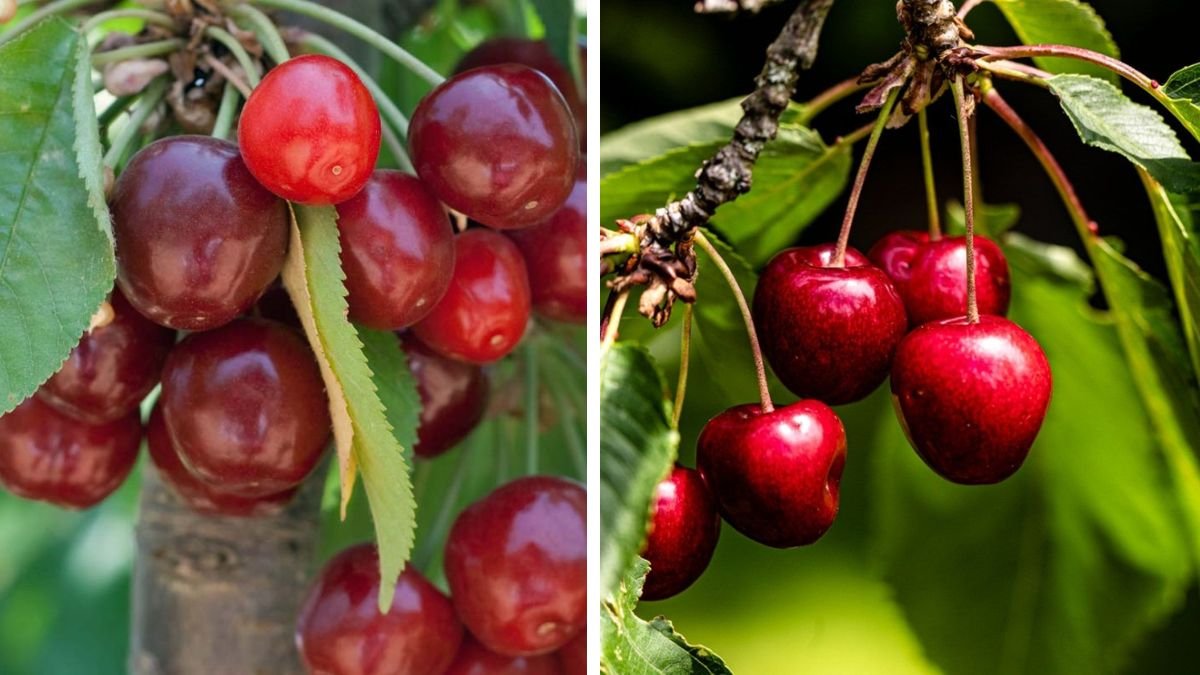
Cultivating cherry trees presents a rewarding challenge for gardeners and growers alike. Their stunning blooms and delectable fruit are matched only by their specificity regarding growing conditions, particularly soil. The right soil mix is essential for healthy growth, abundant fruit production, and longevity. In this guide, we’ll explore everything you need to know about creating the perfect soil mix for cherry trees.
Understanding Cherry Trees
Types of Cherry Trees
Before diving into soil specifics, it’s essential to understand the types of cherry trees:
-
Sweet Cherries (Prunus avium): These are generally larger, sweeter, and enjoyed fresh. They require well-drained soil to thrive.
-
Sour Cherries (Prunus cerasus): More acidic and commonly used for baking and preserves, sour cherries may tolerate a wider range of soil types but still prefer good drainage.
-
Ornamental Cherries: Primarily grown for their beautiful blooms and not for fruit, these trees also benefit from a suitable soil mix, though the exact requirements may vary.
Climate and Growth Conditions
Cherry trees thrive in USDA hardiness zones 5-8. They prefer areas with cold winters which help break dormancy and warm, dry summers that are ideal for fruit ripening.
Key Factors for Creating the Perfect Soil Mix
1. Drainage
Good drainage is crucial as cherry trees are especially susceptible to root rot. Soil that retains too much moisture can lead to fungal diseases and unhealthy trees.
- Recommended Components: Adding materials like perlite, coarse sand, or lava rock to your soil mix can significantly enhance drainage capabilities.
2. pH Level
Cherry trees prefer slightly acidic to neutral pH levels, ideally between 6.0 and 7.0.
-
Testing pH: Use home testing kits available at garden centers to determine your soil’s pH.
-
Adjusting pH: If the pH is too low (acidic), you can add lime. If it’s too high (alkaline), incorporate sulfur or peat moss.
3. Nutrient Content
Cherry trees require a balanced nutrient mix, including nitrogen, phosphorus, and potassium.
-
Organic Matter: Compost or well-rotted manure can provide an excellent source of nutrients and improve soil structure. Ideally, compost should be fully matured before mixing in.
-
Slow-Release Fertilizers: Incorporate a balanced, slow-release fertilizer before planting to give your trees the necessary nutrients during their early growth stages.
4. Soil Texture
The ideal soil texture for cherry trees is a loamy mix. Loamy soil is composed of sand, silt, and clay, providing both drainage and nutrient retention.
- Mixing Soil: A blend of 50% topsoil, 30% compost, and 20% coarse sand or perlite is a good starting point. You can adjust based on your local soil conditions.
Creating Your Cherry Tree Soil Mix
Step-by-Step Process
-
Evaluate Existing Soil: Conduct tests to assess pH, nutrient levels, and texture.
-
Choose Your Components:
- Topsoil: Provides the foundation.
- Compost: Adds organic matter and nutrients.
- Coarse Sand or Perlite: Ensures aeration and drainage.
-
Mix It Up:
- In a wheelbarrow or garden area, combine the components based on the ratios mentioned earlier.
- Thoroughly mix them to ensure an even distribution of all materials.
-
Test Drainage:
- Before planting, conduct a simple drainage test. Dig a hole about 12 inches deep and fill it with water. If it drains within a few hours, you’re ready to plant.
-
Add Nutrients: As you prepare the hole for your cherry tree, consider mixing in a handful of balanced, slow-release fertilizer.
Planting Considerations
-
Spacing: Ensure adequate space between trees, considering their mature size. Generally, a spacing of 20-25 feet is recommended for sweet cherries and about 10-12 feet for sour cherries.
-
Depth: Plant the tree at the same depth it was in the nursery. Avoid burying the graft union, as this can lead to issues with growth.
-
Watering: After planting, water the tree thoroughly, ensuring that the soil mix settles around the roots without air pockets. Continue to monitor moisture levels, especially during dry spells.
Maintenance Tips
Regular Monitoring
After planting, regularly check the soil mix’s nutrient levels and pH. Amend as necessary, and remember that organic matter will decompose over time, necessitating periodic replenishment.
Mulching
Apply a layer of organic mulch around the base of the tree to help retain moisture, suppress weeds, and improve soil over time as it breaks down.
Pruning
Regular pruning helps maintain tree health and encourages better fruiting. Remove dead or diseased branches, and thin out crowded areas to improve air circulation.
Common Challenges and Solutions
1. Poor Drainage
If you notice water pooling around the base of your tree, consider making adjustments to your soil mix by including more perlite or sand. You can also create a raised bed for better drainage.
2. Nutrient Deficiency
Symptoms include yellowing leaves or poor fruit production. Consider working in a balanced fertilizer or additional compost to boost nutrients.
3. Soil Compaction
Compacted soils can hinder root development. To alleviate this, aerate the soil around the base of the tree gently and introduce more organic matter over time.
Frequently Asked Questions (FAQs)
1. How often should I test my soil?
Test your soil annually, especially before planting in the spring. This helps ensure that you’re providing the right nutrients and pH levels.
2. Can I use garden soil for my cherry trees?
While garden soil can be used, it’s recommended to amend it with compost and drainage materials to ensure it meets the specific needs of cherry trees.
3. What is the best time to plant cherry trees?
The best time for planting cherry trees is in early spring or late fall when they are dormant, allowing for better root establishment.
4. How much water do cherry trees need?
Cherry trees require deep watering weekly during the growing season, especially in dry periods. The soil should remain moist but not waterlogged.
5. Can cherry trees grow in pots?
Yes, dwarf varieties can thrive in pots. Use a high-quality potting mix, ensuring it has good drainage.
6. How can I tell if my cherry tree is healthy?
A healthy cherry tree exhibits lush green foliage, robust growth, and is free from pests or diseases. Fruits should form in the appropriate season without excessive dropping.
7. Should I prune my cherry tree every year?
Yes, annual pruning is essential for maintaining shape, encouraging fruit production, and removing any dead or diseased branches.
Conclusion
Creating the perfect soil mix for cherry trees is not a one-size-fits-all approach; it requires careful consideration of texture, drainage, pH, and nutrient content. With the right preparations, your cherry trees can thrive, yielding delicious fruits and enhancing your landscape. Whether you’re a seasoned gardener or just starting out, focus on the fundamentals, and your cherry trees will flourish. Enjoy the process of nurturing them, and look forward to the rewards that will come with your efforts!