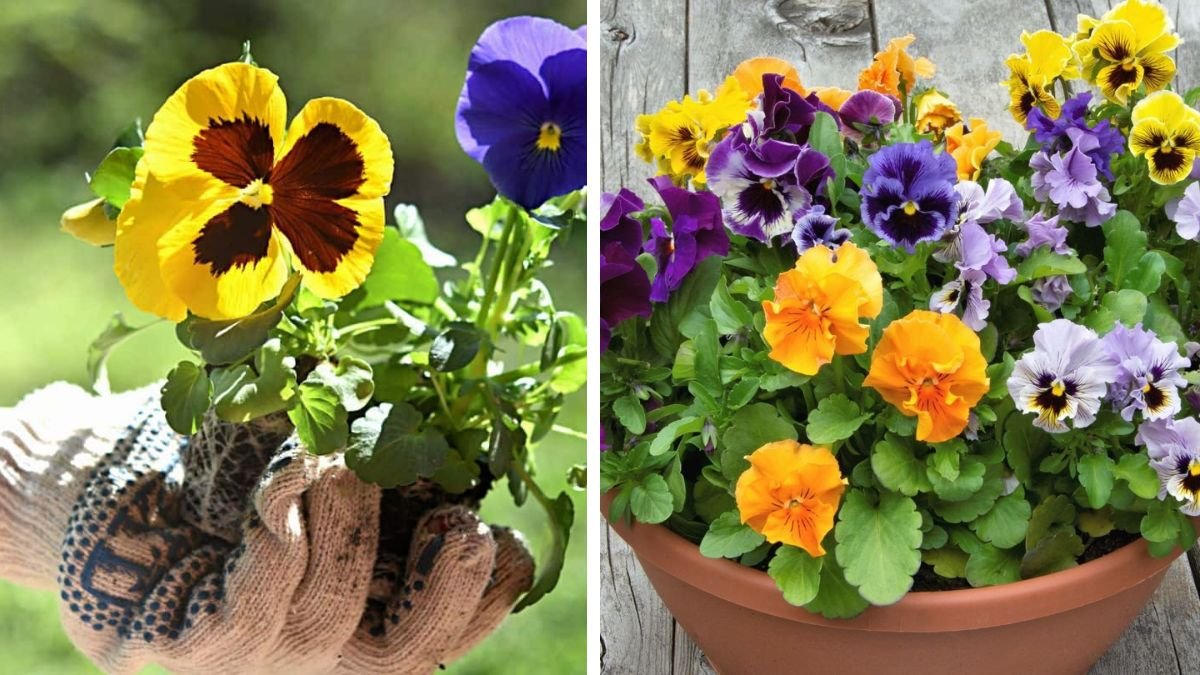
Pansies are a popular choice for many gardeners due to their vibrant colors and cold-hardiness. With their cheerful blooms and diverse color range, pansies can elevate any garden, window box, or patio pot. However, many beginner gardeners encounter challenges, particularly the fungal disease known as damping off, which can ruin seedlings before they even have a chance to thrive. This guide will offer a comprehensive approach to growing pansies successfully, ensuring you can enjoy your garden without the worry of damping off.
Understanding Damping Off
What is Damping Off?
Damping off is a fungal condition affecting seedlings and can be caused by various pathogens, including Rhizoctonia, Pythium, and Fusarium. This disease leads to seedling deaths, usually seen as wilting, discolored stems at the soil line, or complete collapse.
Causes of Damping Off
- Excess moisture: Overwatering can create a damp environment conducive to fungal growth.
- Poor air circulation: Crowded plants in tight spaces can hinder air movement, fostering mold growth.
- Contaminated soil or containers: Using unsterilized soil or previously used pots can introduce pathogens.
- Low light conditions: Weak light can lead to leggy seedlings that are more vulnerable to disease.
Choosing the Right Varieties
Pansies come in numerous varieties with varying colors and patterns. When selecting seeds or plants, consider:
- Hardiness: Some varieties are more tolerant of cold weather.
- Growth Habit: Choose between spreading or upright varieties based on your garden layout.
- Disease Resistance: Some pansies have been bred for resistance to common diseases, including damping off.
Soil Preparation
Selecting the Right Soil Mix
To successfully grow pansies, the right soil is critical. A well-draining potting mix that retains some moisture but allows excess water to escape is ideal. You can create your own mix by combining:
- One part peat moss
- One part perlite
- One part compost
This combination promotes good aeration and drainage while ensuring nutritional value.
Sterilizing the Soil
To minimize the risk of damping off, it’s essential to use sterilized soil. Here’s how to sterilize your potting mix:
- Oven Method: Spread the soil in a thin layer on a baking sheet and bake at 180°F (82°C) for about 30 minutes.
- Microwave Method: Place a portion of soil in a microwave-safe container, moisten it lightly, and microwave on high for about 10 minutes (checking to ensure it doesn’t boil over).
Sterilizing your soil helps eliminate any pathogens that may cause damping off.
Planting Pansies
Timing Your Planting
Pansies can be planted in both spring and fall, depending on your climate:
- Spring: For most regions, sow seeds indoors 8 to 10 weeks before the last frost date. Transplant the seedlings outdoors once they are sturdy and able to withstand cooler temperatures.
- Fall: In warmer areas, you can sow seeds directly into the soil in late summer for a beautiful fall display.
Sowing Seeds
- Indoors: Fill seed trays with your prepared, sterile potting mix. Plant seeds at a depth of about 1/4 inch. Mist the surface lightly with water to keep it moist without flooding.
- Outdoors: After the danger of frost has passed, prepare a garden bed or container. Sow seeds according to the packet instructions and cover lightly with soil.
Transplanting
When your seedlings have grown two to three sets of true leaves, they are ready for transplanting. Harden them off by placing them outside for a few hours daily, gradually increasing their exposure to sunlight and wind over a week.
Watering Techniques
Establishing a Watering Routine
The key to preventing damping off is to maintain the right moisture levels. Here are some tips:
- Watering Method: Use a spray bottle or a watering can with a fine spout to water seedlings gently.
- Frequency: Water when the top inch of soil feels dry. Avoid letting the soil dry out completely, but also never allow it to become soggy.
- Early Morning Watering: Watering in the early morning allows excess moisture to evaporate, preventing fungal diseases.
Signs of Overwatering
Keep an eye out for yellowing leaves, mushy stems, or a foul smell, which may indicate overwatering.
Providing Adequate Lighting
Sunlight Requirements
Pansies thrive in full sun but can tolerate partial shade. If growing indoors, position your seedlings under grow lights or near a sunny window.
- Aim for at least 6 hours of sunlight per day.
- If using grow lights, keep them around a foot above the plants and provide 12 to 16 hours of light daily.
Managing Temperature
Pansies prefer cooler temperatures; aim to keep them in an environment between 45°F to 65°F (7°C to 18°C). If planting outdoors, choosing spring or fall helps to ensure ideal growing conditions.
Fertilization
Choosing the Right Fertilizer
Pansies benefit from a balanced, water-soluble fertilizer. An NPK ratio of 10-10-10 or similar is ideal.
Fertilization Schedule
- During Growing Season: Start fertilizing when seedlings are about four weeks old. Apply every two to three weeks to support robust growth.
- Dilution: Always dilute the fertilizer to half the recommended strength to avoid burning the roots.
Pest and Disease Management
Common Pests
While pansies are relatively resistant to pests, you may encounter:
- Aphids: Small, green insects. Can be controlled with insecticidal soap.
- Slugs and Snails: Introduce nematodes or set out traps to manage these pests.
Preventing Diseases
- Good Hygiene: Clear any dead leaves and debris around your pansies to discourage fungal growth.
- Crop Rotation: Rotate your pansies with other plants each season to minimize soil-borne diseases.
Harvesting and Enjoying Your Pansies
As pansies bloom, they can be used to enhance your garden and home:
- Cut Flowers: Pansies make delightful cut flowers. Snip them early in the morning for best freshness.
- Edible Flowers: Pansies are edible and can be used to decorate salads, cakes, and other dishes.
Caring for your pansies can lead to a vibrant display that draws attention and admiration.
FAQs
1. What should I do if my pansies are wilting?
Check the soil moisture; wilting can be a sign of both overwatering and underwatering. Adjust your watering schedule accordingly and ensure proper drainage.
2. How can I prevent damping off?
Use sterile soil, ensure good air circulation, avoid overcrowding, and manage your watering practices carefully to prevent damping off.
3. What if my pansies aren’t blooming?
Ensure they are receiving adequate sunlight, and check if they need fertilizing. Overly shaded or nitrogen-rich soil can lead to lush foliage but few blooms.
4. Can pansies survive winter?
In most climates, pansies are hardy enough to survive winter. In extreme cold, cover them with mulch to protect the roots; they will typically bounce back in spring.
5. How often should I fertilize my pansies?
Fertilize every two to three weeks during the growing season. Use a diluted, balanced fertilizer to encourage healthy growth without stressing the plants.
Conclusion
Growing pansies can be a rewarding experience with the right knowledge and care. By selecting the right variety, preparing your soil, managing light and moisture conditions, and taking preventative measures against damping off, you can enjoy these beautiful flowers all season long. With your newly acquired knowledge from this guide, you can confidently cultivate pansies in your garden or home. Happy gardening!