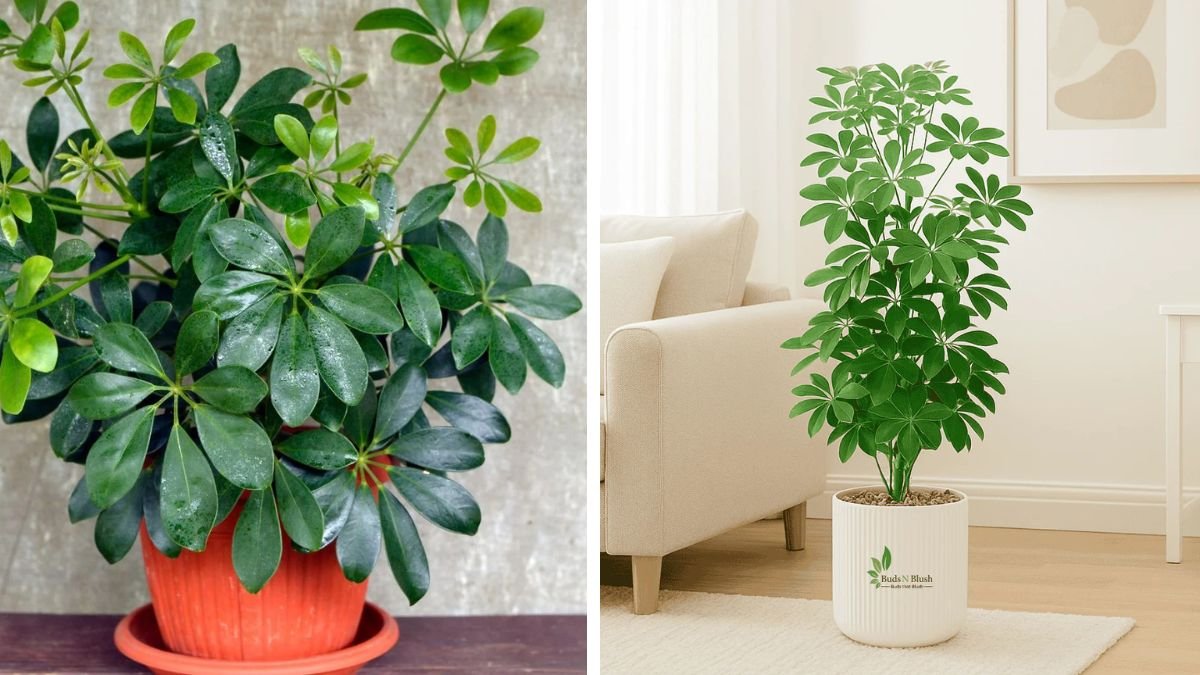
The umbrella plant, known scientifically as Schefflera or Brassaia actinophylla, is a stunning addition to any garden. With its bold, glossy leaves and elegant growth habit, it has become increasingly popular as a background shrub in landscaping. This article discusses how to successfully grow the umbrella plant, covering everything from selecting the right variety to caring for your plant and troubleshooting common issues.
Overview of the Umbrella Plant
The umbrella plant is native to tropical regions of Australia, Malaysia, and Indonesia, where it naturally grows in wooded areas. Its distinctive leaf structure features several leaflets radiating from a central stem, resembling the ribs of an umbrella, hence its name. Depending on the variety, umbrella plants can reach heights of 3 to 10 feet, making them spectacular focal points in larger gardens.
Varieties of Umbrella Plant
Before planting, it’s essential to understand the different varieties of umbrella plants:
- Schefflera arboricola (Dwarf Umbrella Plant): A smaller version that typically grows to about 3-4 feet, ideal for smaller garden spaces.
- Schefflera actinophylla: The larger variety known for its dramatic height and lush foliage. Best suited for spacious gardens.
- Variegated Schefflera: Features striking green and cream leaves, adding an exciting color element to your landscape.
Choosing the Right Location
Sunlight Requirements
Umbrella plants thrive in bright, indirect sunlight. While some can tolerate full sun, prolonged exposure can scorch their leaves. For best results, find a location that receives filtered sunlight or dappled shade.
Soil Conditions
The umbrella plant prefers well-draining soil with good organic content. A mix of peat, perlite, and potting soil usually provides the ideal environment. Ensuring the soil is neither too compacted nor too sandy is crucial for root health.
Climate Compatibility
Being a tropical plant, umbrella plants flourish in USDA zones 10 to 12. If you live in a cooler climate, consider planting them in pots so you can bring them indoors during colder months.
Planting Your Umbrella Plant
Step-by-Step Guide
-
Preparation: Gather the necessary materials: a well-draining potting mix, a shovel, and mulch. If planting in the ground, ensure the soil is loosened and enriched.
-
Digging the Hole: For ground planting, dig a hole that’s at least twice the width of the root ball and of similar depth. This encourages root expansion.
-
Adding Amendments: Mix in organic compost or well-rotted manure with the soil you removed from the hole for added nutrients.
-
Positioning the Plant: Gently remove the plant from its container and place it in the center of the hole. Ensure the top of the root ball is level with the surrounding soil.
-
Backfilling the Hole: Carefully backfill with the soil mixture, pressing down as you go to eliminate air pockets.
-
Watering: Water thoroughly after planting. This helps settle the soil and aids in root establishment.
-
Mulching: Apply a layer of mulch around the base of the plant to retain moisture and suppress weed growth.
Care and Maintenance
Watering
Regular watering is crucial, particularly during growing seasons (spring and summer). The soil should be kept moderately moist but not soggy, as too much water can lead to root rot. Reduce watering in the fall and winter when the plant enters dormancy.
Fertilization
Fertilize your umbrella plant with a balanced, slow-release fertilizer every 4-6 weeks during the growing season. This will promote healthy growth and lush foliage. Be cautious not to over-fertilize, as this can damage the plant.
Pruning
Regular pruning not only shapes your umbrella plant but also encourages bushier growth. Aim to prune after the growing season in late summer. Remove yellowing or dead leaves and any excessive growth to maintain a tidy appearance.
Pest and Disease Management
Umbrella plants can be susceptible to pests like spider mites, aphids, and mealybugs. Check your plant regularly for any signs of infestation. If detected, treat with insecticidal soap or neem oil.
Common diseases include root rot, often caused by overwatering, and leaf spot due to excessive moisture on the foliage. Ensure ample airflow around the plant and avoid wetting the leaves when watering.
Companion Planting
Umbrella plants pair beautifully with many other garden plants. Consider planting alongside:
- Ferns: Enhance the tropical feel and add texture.
- Palms: Other tropical varieties create a cohesive look.
- Colorful Flowering Shrubs: Such as hibiscus or bougainvillea for vibrant contrast.
Creating a Lush Background
Umbrella plants serve as excellent background shrubs in garden design. Their tall, bushy growth can effectively mask unsightly features such as fences, walls, or utilities. They can also work as a natural hedge or screening, providing privacy in outdoor spaces.
Layering with Other Shrubs
To add depth to your garden, consider layering smaller shrubs or perennials in front of your umbrella plant. This creates visual interest and a multi-dimensional landscape. Examples include:
- Daylilies: Beautiful blooms that thrive in similar conditions.
- Heuchera: Varied leaf colors to contrast the green leaves of the umbrella plant.
- Salvia: Tall flowering spikes that can provide vertical interest without overwhelming the backdrop.
Designing with Focal Points
In addition to being used as a backdrop, you can create focal points with your umbrella plant by grouping it with colorful planters or garden art. The contrast between the vivid green leaves and colorful accessories can make your garden stand out.
Troubleshooting Common Issues
- Yellowing Leaves: This can indicate overwatering or underwatering. Check soil moisture levels and adjust watering frequency.
- Leaf Drop: Often a sign of stress due to changes in temperature or light. Ensure a stable environment for optimal growth.
- Slow Growth: This can occur if the plant is root-bound. If pot-grown, consider repotting into a larger container.
FAQs
1. How often should I water my umbrella plant?
Water when the top inch of the soil feels dry. During the growing season, this could mean watering every week to ten days, while frequency can decrease in fall and winter.
2. Is the umbrella plant toxic to pets?
Yes, umbrella plants can be mildly toxic to pets if ingested, causing symptoms like vomiting. Keep them out of reach of curious animals.
3. Can umbrella plants survive frost?
Umbrella plants are not frost-tolerant. If you live in a cooler climate, it’s best to grow them in pots that can be moved indoors during winter.
4. Do umbrella plants require pruning?
Yes, regular pruning encourages bushy growth and helps maintain the plant’s shape. Prune after the growing season to remove dead or excessive growth.
5. How can I encourage bushy growth in my umbrella plant?
Light pruning periodically and providing adequate light, water, and nutrients will encourage bushier growth. Fertilizing during the growing season is also essential.
6. Can I propagate my umbrella plant?
Yes! Umbrella plants can be propagated through cuttings. Cut a healthy stem just below a node, place it in water or moist potting mix, and keep it in indirect light until roots develop.
Conclusion
The umbrella plant is a versatile and hardy choice for any garden, offering lush foliage and an eye-catching presence. With the right care and conditions, it can flourish and become a beautiful backdrop for your outdoor space. By following the guidelines outlined in this article, you can successfully grow an umbrella plant that enhances the beauty of your garden for years to come.