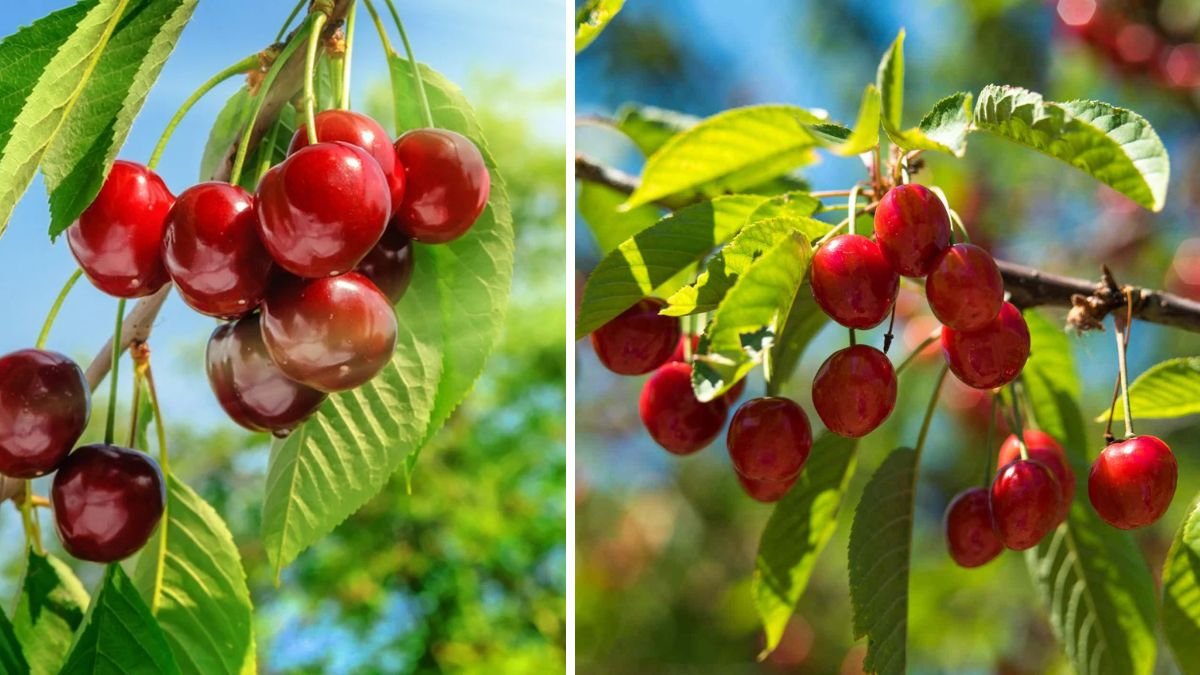
Growing your own cherries can be a rewarding experience, especially for those living in small spaces like apartments or townhouses. With the right knowledge, techniques, and care, you can cultivate a cherry tree right on your balcony. This comprehensive guide will walk you through everything you need to know about growing cherries in small spaces, from selecting the right variety to maintaining your plant throughout the seasons.
Choosing the Right Cherry Variety
When it comes to growing cherries in containers, it’s crucial to select the right variety. There are two main types of cherries: sweet cherries (Prunus avium) and sour cherries (Prunus cerasus). For small spaces, consider the following types:
1. Dwarf Cherry Trees
Dwarf cherry trees are specifically bred for container gardening and can thrive in limited spaces. Popular varieties include:
- Stella: This self-pollinating sweet cherry tree is compact, growing to about 8-10 feet tall, and offers delicious, large fruits.
- Lapins: Another self-pollinator, Lapins produces dark red fruit and can be kept as a smaller tree in a pot.
- North Star: Ideal for those who prefer sour cherries, North Star is also self-fertilizing and produces a bountiful harvest of tangy fruits.
2. Patio Cherry Trees
These are slightly larger than dwarf varieties but are still suitable for container growing. Look for:
- Bing: A classic sweet cherry that can be maintained in a container with proper pruning.
- Kentucky Sweetheart: This variety has showy flowers and produces medium-sized sweet cherries.
Selecting the Right Container
Choosing the right container is critical for the health of your cherry tree. Here are some recommendations:
- Size: A container should be at least 18-24 inches deep and 18-24 inches wide. Larger containers will retain moisture better and provide more room for root growth.
- Material: Terracotta, ceramic, or plastic pots work well. Ensure the pot has drainage holes to prevent waterlogging.
- Mobility: Consider using pots with wheels or lightweight materials that are easy to move, as cherry trees may need to be relocated based on light exposure and weather conditions.
Soil Requirements
Cherries thrive in well-draining soil that retains moisture but doesn’t become waterlogged. Here’s how to create the perfect soil mix:
- Potting Mix: Use a high-quality potting mix specifically designed for container gardening.
- Amendments: Incorporating perlite or vermiculite can improve drainage and aeration.
- pH Level: Cherries prefer slightly acidic to neutral pH levels (around 6.0 to 7.0).
Planting Your Cherry Tree
Timing
The best time to plant your cherry tree is in the spring (after the last frost) or in the fall (at least a few weeks before the first frost).
Steps to Plant
- Prepare the Pot: Fill the container with your soil mix, leaving enough space at the top for watering.
- Dig a Hole: Create a hole in the center of the soil mix that’s slightly larger than the root ball of your cherry tree.
- Plant: Place the tree in the hole. Ensure that the root ball is level with the soil surface to prevent root rot.
- Backfill: Fill in around the roots with additional soil and gently pack it down to eliminate air pockets.
- Water: Water thoroughly to help settle the soil and establish roots.
Care and Maintenance
Watering
Consistency is key when watering cherry trees. Follow these guidelines:
- Frequency: Water deeply once a week, adjusting based on weather conditions. During hot spells, daily watering may be necessary.
- Humidity: Ensure that the soil remains moist but not soggy. Use mulch to retain moisture and reduce evaporation.
Fertilizing
Fertilizing your cherry tree promotes growth and fruit production:
- Type: Choose a balanced, slow-release fertilizer (like 10-10-10) or one formulated for fruit trees.
- Timing: Apply fertilizer in early spring just before new growth starts, and again mid-summer if needed.
Pruning
Regular pruning is essential for healthy growth and fruit production:
- When to Prune: The best time to prune cherries is in late winter or early spring before new growth appears.
- What to Cut: Remove dead or diseased branches, and thin out crowded areas to improve air circulation and sunlight penetration.
Pollination
Most sweet cherry trees are not self-pollinating, which means you’ll need two different varieties for cross-pollination. If you choose a self-pollinating variety like Stella or Lapins, you can plant just one.
Managing Pests and Diseases
Cherry trees can be susceptible to several pests and diseases. Here’s how to manage them:
Pests
- Aphids: These small insects can be controlled with insecticidal soap or neem oil.
- Spider Mites: Increase humidity around your plant and apply insecticidal soap if necessary.
Diseases
- Brown Rot: This fungal disease affects fruit during the ripening process. Ensure good air circulation and remove any affected fruit.
- Powdery Mildew: A common fungal issue that appears as white spots on leaves. Treat with a fungicidal spray if needed.
Harvesting Your Cherries
Timing
Cherries are typically ready for harvest in mid-to-late summer, depending on the variety.
How to Tell When They’re Ready
- Color: Sweet cherries should be a deep, rich color, while sour cherries will be bright red.
- Taste Test: The best way to know if cherries are ready is to taste them. They should be sweet or tangy, depending on the variety.
Harvesting Technique
- Gentle Picking: Carefully twist and pull the cherries from the stem to avoid damaging the tree.
- Use a Basket: Place harvested cherries in a basket or container to avoid bruising.
Troubleshooting Common Issues
Poor Fruit Production
If your tree isn’t producing fruit, ensure it’s getting enough sunlight (at least 6-8 hours a day) and check for adequate pollination.
Leaf Discoloration
Yellowing leaves can indicate overwatering or nutrient deficiencies. Evaluate your watering schedule and consider fertilizing if necessary.
FAQs
1. Can I grow cherries on a balcony?
Yes, you can grow cherries on a balcony using dwarf or patio cherry tree varieties suitable for container gardening.
2. How much sunlight do cherry trees need?
Cherry trees require at least 6-8 hours of direct sunlight each day for optimal growth and fruit production.
3. Do I need two cherry trees for pollination?
Not all cherry varieties require another tree for pollination. Self-pollinating varieties can produce fruit alone, while others need cross-pollination from a different variety.
4. What type of fertilization do cherry trees need?
Use a balanced, slow-release fertilizer, preferably formulated for fruit trees, in early spring and mid-summer if needed.
5. How do I know when my cherries are ready to harvest?
Cherries are ready when they reach deep color and taste sweet or tangy, depending on the variety. Typically, this occurs in mid-to-late summer.
6. Can I grow cherries indoors?
Cherries typically need direct sunlight and outdoor conditions; however, you can grow them indoors in a sunniest spot if you have a suitable dwarf variety and provide adequate care.
7. What should I do if I see pests on my cherry tree?
For pests like aphids or spider mites, use insecticidal soap or neem oil. Ensure good ventilation and cleanliness around your plant to minimize infestations.
Conclusion
Growing cherries on your balcony is an achievable goal that can bring joy, aesthetics, and delicious fruits right to your doorstep. By choosing the right variety, providing optimal care, and managing pests and diseases, you can enjoy a fruitful harvest even in small spaces. Armed with this ultimate guide, you’re well on your way to becoming a successful balcony cherry gardener! Happy gardening!