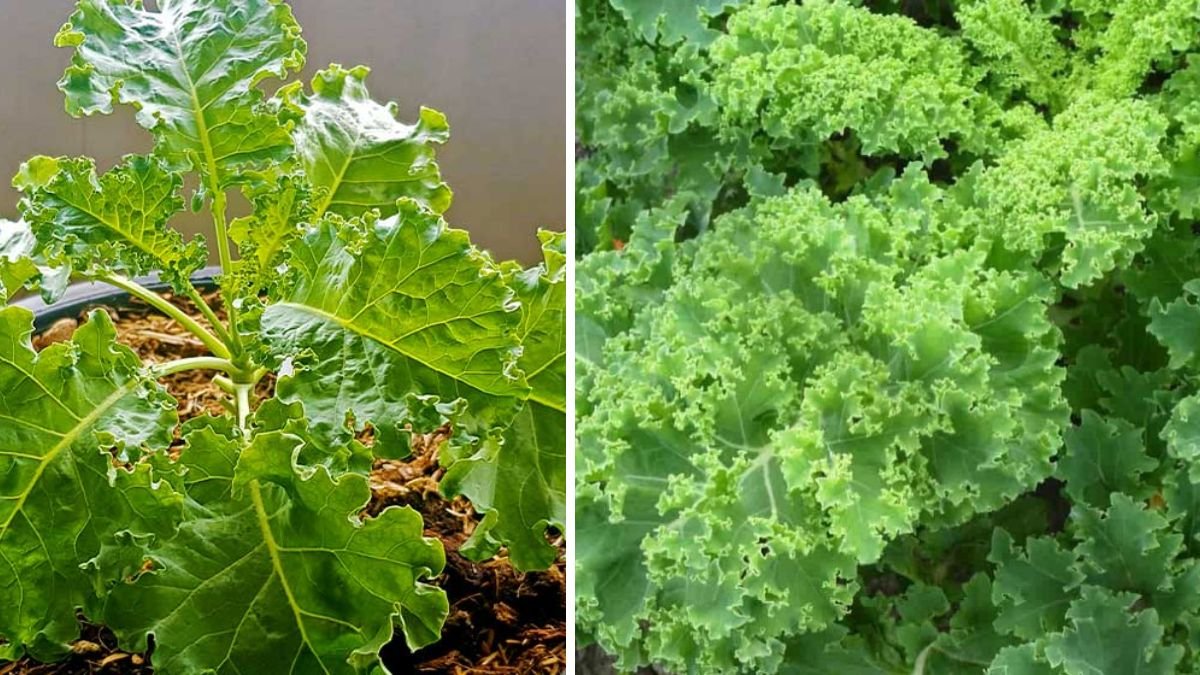
Kale, a leafy green vegetable that has gained immense popularity for its nutritional benefits, is a gardener’s delight. With its rich flavor and multitude of health benefits, there’s no wonder why people are eager to grow their own kale. Luckily, cultivating lush kale leaves doesn’t require advanced gardening skills or extensive resources. With some simple techniques and a bit of dedication, you can have a thriving kale garden in record time. This article will guide you through the process and address common FAQs.
Understanding Kale
Before diving into cultivation techniques, it’s essential to understand what kale is. Kale belongs to the cabbage family and can be found in several varieties, including curly kale, Italian kale (lacinato), and ornamental kale. Its crisp leaves are packed with nutrients, offering benefits such as high fiber content, vitamins A, C, and K, and antioxidants.
The Benefits of Growing Kale
-
Nutritional Value: Kale is considered a superfood. Its high nutrient density means you get more vitamins and minerals per calorie compared to other foods.
-
Easy to Grow: Kale is a hardy vegetable adaptable to various climates, making it a great choice for both novice and seasoned gardeners.
-
Continuous Harvest: With proper techniques, you can harvest kale for several months, ensuring a steady supply of fresh greens.
-
Pest Resistance: Kale tends to be more resistant to pests compared to other leafy greens, making it a low-maintenance option.
Key Techniques for Growing Lush Kale Leaves
1. Choose the Right Variety
Selecting the right variety of kale for your needs is crucial. Curly kale is often the most popular, while lacinato kale offers a slightly sweeter taste. Explore different varieties and choose one that suits your palate and growing conditions.
2. Optimal Planting Time
Kale thrives in cooler climates. Here’s when to plant:
- Spring Planting: 4-6 weeks before the last frost date.
- Fall Planting: 6-8 weeks before the first frost date.
In many regions, kale can be grown in spring and fall, making it a versatile option.
3. Prepare Rich, Well-Drained Soil
Kale prefers nutrient-rich, well-drained soil with a pH level between 6.0 and 7.5. Before planting:
-
Soil Testing: Conduct a soil test to assess pH and nutrient levels.
-
Amend the Soil: Add organic matter like compost or well-rotted manure to improve nutrient content and drainage.
4. Proper Spacing
When planting kale, ensure proper spacing to allow for air circulation and sunlight:
-
Seeds: Sow seeds about 1/2 inch deep and spaced 12-18 inches apart in rows 24-36 inches apart.
-
Seedlings: Transplant seedlings to the same spacing, allowing adequate room for growth.
5. Watering Wisely
Kale requires consistent moisture for optimal growth. Follow these tips:
-
Regular Watering: Water the plants deeply once or twice a week, depending on rainfall. Shallow watering encourages deep root growth.
-
Mulching: Apply a 2-3 inch layer of mulch to retain moisture and suppress weeds.
6. Fertilization
Kale benefits from balanced fertilization. You can choose between organic and synthetic options:
-
Organic Options: Use fish emulsion, seaweed extract, or well-balanced organic fertilizers, applying them every 4-6 weeks.
-
Synthetic Options: If using chemical fertilizers, opt for a balanced N-P-K ratio fertilizer (e.g., 10-10-10).
7. Pest Management
While kale is reasonably resistant to pests, it may still attract aphids, caterpillars, and other insects. Here’s how to manage them:
-
Handpicking: Regularly check for pests and remove them by hand.
-
Insecticidal Soap: Use organic insecticidal soap to treat infestations promptly.
-
Companion Planting: Grow companion plants such as marigolds and basil to deter pests naturally.
8. Proper Harvesting Techniques
Knowing when and how to harvest is essential for maximizing yield:
-
First Harvest: Begin harvesting kale leaves when they reach 6-8 inches in height.
-
Cutting Method: Use scissors or a sharp knife to snip leaves from the outside of the plant, allowing the center to continue growing.
-
Continuous Harvesting: Regularly harvesting leaves encourages new growth, resulting in a longer harvest period.
9. Seasonal Care
Different seasons require different care:
-
Spring: Monitor for pests and ensure adequate watering as the weather warms up.
-
Summer: Provide shade if temperatures soar; kale can become bitter in extreme heat.
-
Fall/Winter: Kale can survive frost, which enhances its flavor. Continue to harvest through cold spells.
Troubleshooting Common Issues
Even seasoned gardeners can experience challenges. Here are some frequent problems and how to tackle them:
1. Slow Growth
-
Cause: Poor soil quality, insufficient light, or overcrowding.
-
Solution: Test soil, improve lighting conditions, and thin out overcrowded plants.
2. Bitter Leaves
-
Cause: Heat stress or old plants.
-
Solution: Ensure proper watering and harvest regularly. Consider shade in hot summer months.
3. Yellowing Leaves
-
Cause: Nutrient deficiencies or overwatering.
-
Solution: Assess fertilization practices, and ensure proper drainage.
Frequently Asked Questions (FAQs)
Q1: How long does it take for kale to mature?
A1: Kale can take anywhere from 50 to 75 days to mature, depending on the variety and growing conditions.
Q2: Can kale be grown indoors?
A2: Yes! Kale can be grown in containers indoors provided they receive adequate sunlight (6-8 hours daily) and you use good quality potting soil.
Q3: How do I store harvested kale?
A3: Store kale in the refrigerator wrapped in a damp paper towel inside a plastic bag for up to a week.
Q4: Is kale a perennial plant?
A4: Kale is typically grown as an annual, but some varieties may survive winter in mild climates.
Q5: Can I grow kale in shade?
A5: Kale prefers full sun but can tolerate partial shade. However, full sun produces the best yields.
Q6: How can I boost the flavor of kale?
A6: Kale’s flavor can be enhanced by cooking it with garlic or adding vinaigrettes and spices during preparation.
Q7: Is it necessary to prune kale?
A7: Pruning is not necessary, but removing any yellowing or damaged leaves can encourage healthier growth and yield.
Q8: What are some ways to use kale in cooking?
A8: Kale can be used in salads, smoothies, soups, stews, and as a roasted vegetable dish.
Conclusion
Cultivating lush kale leaves doesn’t have to be a daunting task. By following simple techniques and being attentive to your plants’ needs, you can enjoy bountiful harvests in record time. Gardening is a rewarding hobby that not only provides fresh produce but also serves as a therapeutic activity. Whether you’re a novice or an experienced gardener, the joy of growing your own kale is within reach. Happy planting!