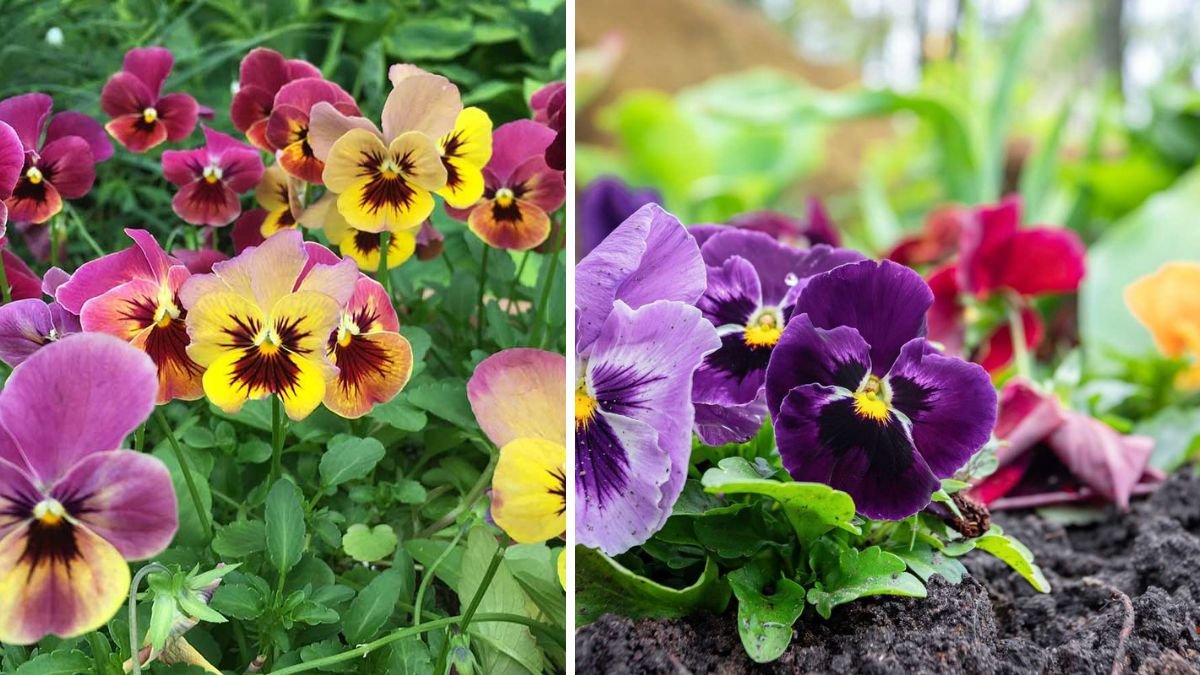
Creating a vibrant winter balcony garden can be a delightful way to brighten up the cold months. Among the various flowers that can add color and life, pansies stand out as a popular choice due to their stunning array of colors, hardiness, and ability to bloom in cooler temperatures. This article delves into the essential steps to successfully grow pansies, ensuring your winter balcony garden flourishes with beauty.
Understanding Pansies
Pansies (Viola tricolor var. hortensis) are cool-season annuals, known for their five-petaled, velvety blooms and intricate color patterns. Their colors cover a spectrum, from deep purple and blue to vibrant yellow and orange. A unique feature of pansies is their ability to bounce back after cold spells, often surviving temperatures as low as 25°F (-4°C).
Choosing the Right Variety
Pansies come in several varieties. When selecting for winter gardening, consider:
- Swedish Pansies: Extremely cold-hardy, suitable for harsh winters.
- Fancy Pansies: Known for their vibrant patterns, perfect for adding drama.
- Trailing Pansies: Ideal for hanging baskets, creating a beautiful cascade of color.
Selecting the Right Location
Pansies thrive in full sun to partial shade. For a balcony garden, choose a location that receives at least 4-6 hours of sunlight each day. However, during the peak winter months, they can benefit from some afternoon shade, protecting them from harsh afternoon sun.
Preparing for Planting
Soil Selection
The right soil is crucial to growing healthy pansies. They prefer well-draining, nutrient-rich soil. Here’s how to prepare:
- Use a Quality Potting Mix: A commercial potting mix hastens growth and provides ideal drainage.
- Enhance Soil Quality: Mix in organic matter like compost to enrich the soil, improving moisture retention and nutrient availability.
Container Choice
Choose containers that allow for adequate drainage. Consider:
- Size: A pot at least 6-8 inches deep allows for root growth.
- Material: Terracotta pots are great as they provide breathability, while plastic pots retain moisture better.
Timing
The best time to plant pansies for winter color is in late fall, typically between September and November, depending on your climate. This timing ensures they establish roots before the cold winter sets in.
Planting Pansies
Step-by-Step Guidance
- Soak the Soil: Thoroughly water your pots a day before planting to ensure moisture is retained during the planting process.
- Spacing: Pansies should be planted about 6 to 8 inches apart to allow for air circulation and prevent disease.
- Planting Depth: Dig a hole slightly larger than the root ball, place the plant, and cover the roots with soil, ensuring not to bury the crown.
- Watering: After planting, water them gently to eliminate air pockets around the roots.
Caring for Your Pansy Garden
Watering
Pansies prefer consistently moist soil but not soggy conditions. Water regularly, allowing the top inch of the soil to dry out between watering. During particularly dry spells, increase watering frequency, especially if temperatures rise.
Fertilization
Feed your pansies with a balanced water-soluble fertilizer every four to six weeks during the growing season. A 10-10-10 NPK (Nitrogen-Phosphorus-Potassium) fertilizer is ideal to promote vibrant blooms.
Pruning and Deadheading
Regularly deadhead spent blooms to encourage additional flowering. Pruning any yellow or wilted leaves also helps maintain plant vitality and reduces disease risk.
Pest and Disease Management
Pansies are generally resilient but can experience issues with aphids, slugs, and fungal diseases. Here are some management strategies:
- Aphids: Spray with insecticidal soap or neem oil to keep them at bay.
- Slugs: Use copper tape or beer traps around pots to deter them.
- Fungal Diseases: Ensure good air circulation and avoid overhead watering to reduce the risk of fungal problems.
Creating a Beautiful Display
Companion Planting
Pair pansies with other cool-season flowers for a diverse and colorful display. Consider:
- Violas: These smaller relatives of pansies offer color variety and complement their appearance.
- Snapdragons: Tall and sturdy, they create height and contrast against the low-growing pansies.
- Ornamental Cabbage: Their unique foliage adds texture and interest.
Design and Arrangement
Arrange your pansies and companion plants for aesthetic appeal:
- Color Harmony: Group similar colors together for a bold impact or alternate contrasting colors for a vibrant mosaic.
- Height Variation: Incorporate taller plants at the back and shorter pansies at the front to create depth.
Overcoming Winter Challenges
Mulching
Applying a layer of mulch around your pansies can help retain soil moisture and reduce weed growth. Organic mulches like straw or wood chips are effective.
Protecting from Harsh Weather
During particularly cold snaps or heavy snow, consider covering your pots with frost cloths or bringing them into a sheltered area. This extra protection can extend the life of your pansies.
Enjoying Your Balcony Garden
Continuous Blooming
If you’ve chosen winter-flowering pansies, you’ll enjoy their blooms throughout the season. Regular deadheading and care will keep them looking fresh.
Seasonal Adjustments
As winter gives way to spring, assess your pansies. Some may continue blooming while others may fade. At this point, consider replacing faded pansies with spring-blooming varieties to maintain a vibrant balcony garden.
FAQs
1. Can pansies survive freezing temperatures?
Yes, pansies can endure temperatures as low as 25°F (-4°C), making them ideal for winter gardens.
2. How often should I water pansies in winter?
Water pansies regularly, ensuring the top inch of soil dries out between watering. Adjust watering frequency during dry spells.
3. Do pansies need sunlight?
Pansies thrive in full sun to partial shade, requiring at least 4-6 hours of sunlight daily.
4. What pests are common to pansies, and how can I treat them?
Aphids and slugs are common pests. Use insecticidal soap for aphids and copper tape or beer traps for slugs.
5. Why are my pansy leaves turning yellow?
Yellow leaves may indicate overwatering, nutrient deficiency, or disease. Ensure proper watering and consider fertilizing if necessary.
6. When should I plant pansies for winter growing?
Plant pansies in late fall, usually between September and November, depending on your climate.
7. How do I encourage pansies to bloom more?
Regularly deadhead spent flowers and provide balanced fertilizer every 4-6 weeks.
Conclusion
Growing pansies for a winter balcony garden can transform your space into a vibrant oasis during the colder months. With the right care, timing, and maintenance, you can enjoy their beautiful blooms and create a cheerful atmosphere that lifts your spirits through winter. Start planning your winter garden today, and let pansies lead the way to a colorful sanctuary on your balcony.