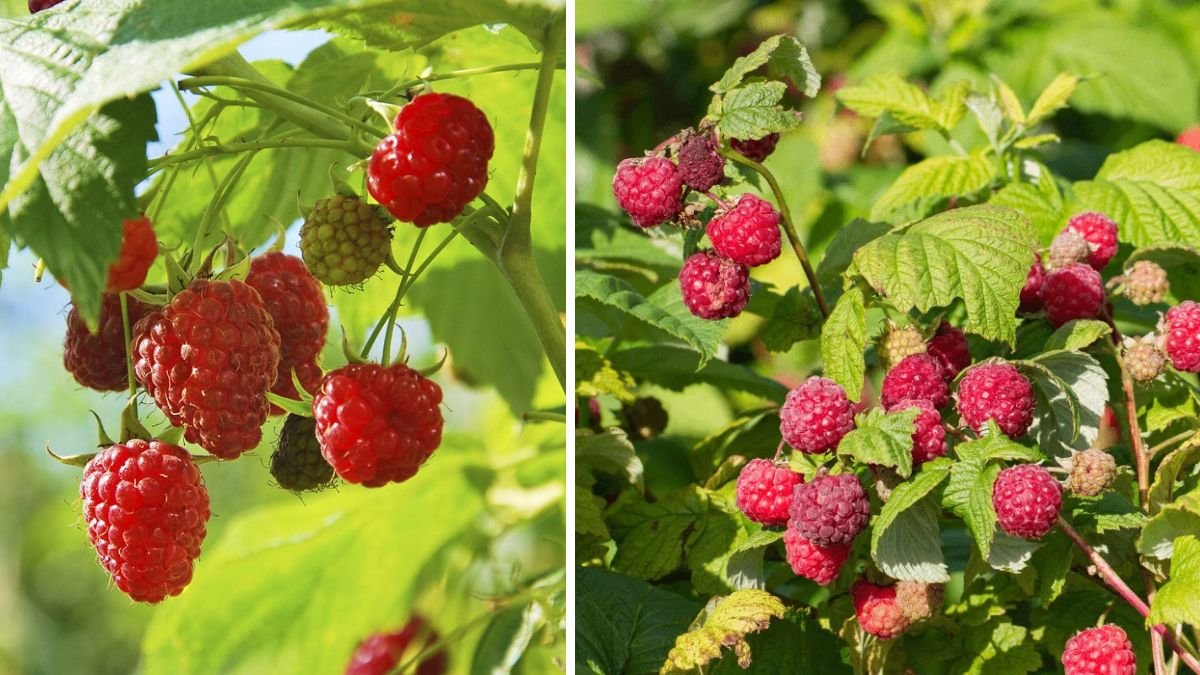
Growing cold hardy raspberry varieties can be a rewarding endeavor for gardeners in cooler climates. These plants not only provide delicious fruit but also add beauty to your garden with their attractive foliage and flowers. This article will guide you through the techniques needed to successfully cultivate these resilient fruits.
Understanding Cold Hardy Raspberries
Cold hardy raspberries (Rubus idaeus) are specifically bred to thrive in USDA hardiness zones 3 to 7. These varieties can endure harsher winters while still producing juicy and flavorful berries in the summer. Some popular cold hardy raspberry varieties include:
- Heritage: An everbearing variety that produces fruit in early summer and again in the fall.
- Latham: Known for its large, sweet berries, this variety is particularly well-suited to northern climates.
- Boyne: This early bear variety offers a robust yield and excellent disease resistance.
Understanding different varieties will help you select the best ones suited to your specific climate and soil conditions.
Selecting the Right Location
Sunlight Requirements
Raspberries thrive in full sunlight, requiring at least 6 to 8 hours of direct sunlight daily. Choose a location that receives ample sunlight to encourage fruit development.
Soil Conditions
Cold hardy raspberries prefer well-draining soil that’s rich in organic matter. The ideal pH level for raspberries is between 5.5 and 6.8. Conduct a soil test to evaluate your soil’s nutrient profile and acidity, then amend as necessary with compost or peat moss.
Protection from Wind
Cold winds can damage raspberries. Planting them near a windbreak, like a fence or a row of trees, can provide the necessary protection while still allowing for adequate airflow.
Soil Preparation
Tilling the Soil
Before planting, till your soil to a depth of at least 12 inches. This process aerates the soil and helps mix in organic matter.
Adding Organic Matter
Mix compost, well-rotted manure, or other organic materials into your soil to improve its fertility. Aim for a 2:1 ratio of soil to compost, ensuring that nutrients are evenly distributed.
Choosing the Right Planting Technique
Planting Options
When planting raspberries, you have two primary options: bare-root or potted plants.
- Bare-root plants are usually cheaper and can be planted in early spring while still dormant.
- Potted plants can be planted at any time but are often more expensive.
Spacing: Raspberries should be spaced about 18 to 24 inches apart in rows that are 5 to 6 feet apart. This allows for adequate airflow, preventing disease and promoting healthy growth.
Planting Procedure
- Dig a Hole: Create a hole large enough to accommodate the root system without crowding.
- Position the Plant: Place the plant in the hole, ensuring the roots spread out evenly.
- Backfill: Fill the hole with soil and gently tamp down to remove air pockets.
- Watering: Water generously after planting to settle the soil around the roots.
Watering Practices
Initial Watering
Raspberries need consistent moisture, especially in the first few weeks after planting. Water them thoroughly to ensure the soil is moist but not soaked.
Established Plants
Once established, raspberries require about 1 inch of water per week. Water them deeply but infrequently to encourage strong root development. Consider using soaker hoses or drip irrigation to maintain consistent moisture without wetting the foliage, which can lead to disease.
Fertilizing
Pre-Planting Fertilization
Before planting, incorporate a balanced fertilizer into the soil. Choose a formulation high in potassium and phosphorus, which encourages fruit production.
Post-Planting Fertilization
Apply a light dose of fertilizer in early spring as new growth begins. Avoid heavy nitrogen fertilizers, as they can promote foliage at the expense of fruit yield.
Mulching
Applying a layer of organic mulch, such as straw or wood chips, helps retain soil moisture, suppress weeds, and regulate soil temperature. Aim for a mulch layer of 2 to 3 inches, keeping it a few inches away from the plant stem to prevent rot.
Pruning Techniques
Proper pruning is vital for healthy raspberry plants, encouraging air circulation and maximizing fruit production.
Timing
Prune in late winter or early spring before new growth begins. For everbearing varieties, prune back the canes that fruited the previous summer.
Techniques
- Thin Canes: Remove weak or diseased canes and leave about 5 to 7 healthy canes per plant.
- Head Back: For summer-bearing varieties, cut back the previous year’s canes to ground level after harvest.
- Shape the Bush: Aim for an open center to improve airflow and access to sunlight.
Pest and Disease Management
Common Pests
Raspberries can attract various pests, including aphids, spider mites, and raspberry fruit flies. Regularly inspect your plants for signs of infestation.
- Aphids: Use insecticidal soap or neem oil to treat aphid problems.
- Spider Mites: Increase humidity around your plants or use miticide as necessary.
- Raspberry Fruit Flies: Yellow sticky traps can help monitor and control these pests.
Common Diseases
Prevent diseases by maintaining good air circulation, healthy soil, and avoiding overhead watering. Some common diseases to be aware of include:
- Powdery Mildew: Prune affected canes and avoid excessive nitrogen fertilization.
- Botrytis Fruit Rot: Remove any dead or decaying fruit and ensure adequate air circulation.
Organic Solutions
Consider using organic solutions and integrated pest management (IPM) practices to protect your plants without harmful chemicals. Encourage beneficial insects like ladybugs and lacewings to help control pest populations naturally.
Harvesting Raspberries
Timing
Harvest your raspberries when they are fully colored and easily detach from the stem. Depending on the variety, this may be in early summer or late summer for everbearing types.
Technique
Use gentle hand movements to avoid crushing the berries. It’s best to harvest in the morning when temperatures are cooler, which helps preserve the quality of the fruit.
FAQs
Q: What is the best time to plant cold hardy raspberries?
A: Early spring is the best time to plant cold hardy raspberries, typically after the last frost.
Q: How much sunlight do raspberries need?
A: Raspberries require at least 6 to 8 hours of direct sunlight daily for optimal growth and fruiting.
Q: How can I tell if my raspberries are ready to harvest?
A: Raspberries are ready to harvest when they are fully colored, plump, and easily detach from the plant when gently pulled.
Q: How often should I water my raspberries?
A: Raspberries need about 1 inch of water per week. Water deeply but infrequently to promote strong root development.
Q: What fertilizers are best for raspberries?
A: Use a balanced fertilizer high in potassium and phosphorus, applied in early spring and following planting.
Q: How do I prevent pests and diseases in my raspberry plants?
A: Regular inspection, good air circulation, avoiding overhead watering, and using organic pest control methods can help prevent pests and diseases.
Q: Can I grow raspberries in containers?
A: Yes, raspberries can be grown in containers if you provide sufficient sunlight and water. Choose a large pot with good drainage.
Q: When should I prune my raspberry plants?
A: Prune in late winter or early spring before new growth begins to maintain healthy canes and encourage fruit production.
Conclusion
Growing cold hardy raspberry varieties in your backyard can lead to a bountiful harvest and a beautiful garden display. By carefully selecting the right varieties, preparing your soil, and employing effective cultivation techniques, you can enjoy delicious raspberries for years to come. Happy gardening!