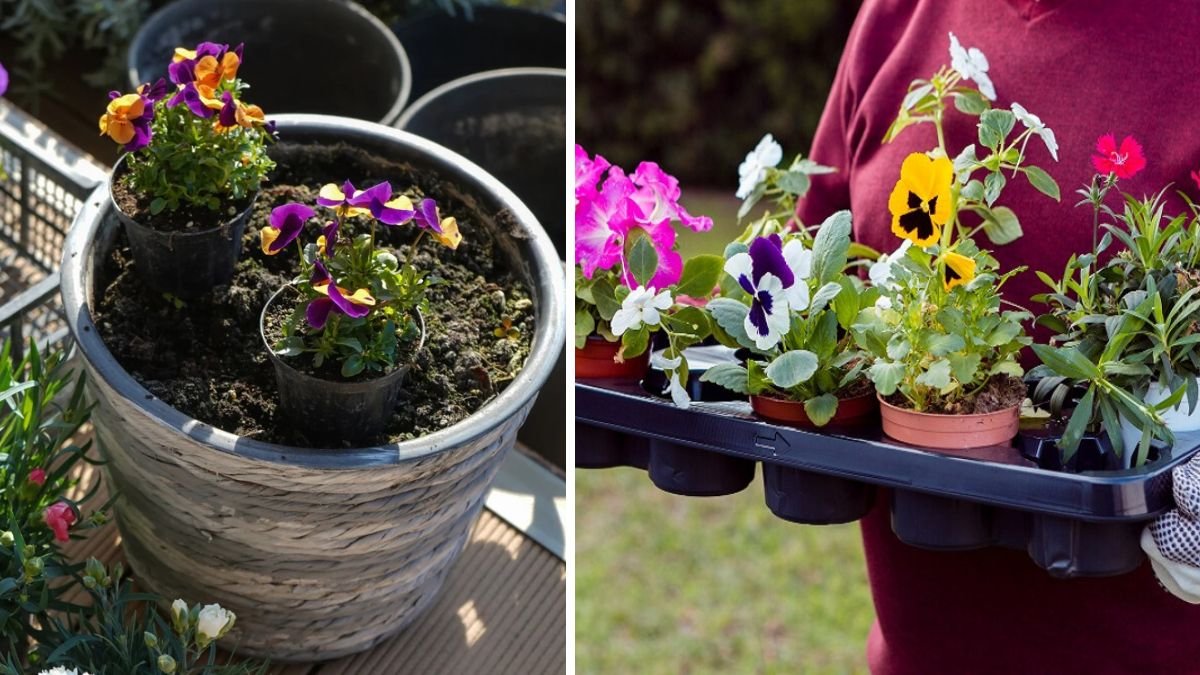
Pansies (Viola tricolor var. hortensis) are beloved in the gardening world for their vibrant colors, charming faces, and ability to bloom in cool weather. Whether you’re a seasoned gardener or a novice looking to enhance your green space, growing pansies from seed can be an incredibly rewarding endeavor. This article outlines the best methods to successfully cultivate pansies from seed, ensuring your garden is teeming with beauty.
Understanding Pansies
Before diving into the growing process, it’s essential to appreciate what makes pansies special. These biennial plants are often grown as annuals and are known for their large, colorful flowers ranging from blues and purples to yellows and whites. Pansies are not only visually appealing but are also versatile, thriving in garden beds, containers, and hanging baskets.
Why Choose Pansies?
-
Variety: Pansies come in a wide array of colors and patterns, allowing gardeners to create stunning combinations.
-
Cold Tolerance: They can withstand frost, making them perfect for early spring or fall gardens.
-
Easy Maintenance: Once established, pansies require minimal care, making them ideal for beginners.
Getting Started: Choosing Seeds
Selecting the right pansy seed variety is crucial for successful cultivation. Look for reputable seed brands that offer high germination rates. Some popular varieties include:
- Johnny Jump Ups: Known for their smaller flowers and trailing habit.
- Majestic Giant: Features large blooms and vibrant colors.
- Cool Wave: A spreading variety ideal for containers.
If you’re growing pansies for specific colors, consider mixing several varieties to achieve a stunning palette.
Seed Starting Timeline
Timing is critical when growing pansies from seed. Since pansies thrive in cooler temperatures, starting seeds indoors typically occurs around 8-10 weeks before the last frost date in your area. For many regions, this means starting seeds in late winter to early spring.
Step-by-Step Guide to Growing Pansies from Seed
1. Preparing the Planting Medium
Choose the Right Soil: A lightweight, well-draining potting mix is ideal for starting pansy seeds. Consider a seed-starting mix that contains peat moss, vermiculite, or perlite, which promotes good drainage and aeration.
2. Sowing the Seeds
Seed Depth: Pansy seeds are very small and should be sown on the surface of the soil. Lightly press them into the soil without covering them, as they need light for germination.
Spacing: If planting multiple seeds in a tray, space them about 1 to 2 inches apart to allow for airflow and growth.
3. Watering
Moisture Levels: Water the soil gently after planting to ensure it is uniformly moist but not saturated. Use a spray bottle or a fine mist to avoid displacing the seeds.
Humidity Dome: Covering your seed trays with plastic wrap or a humidity dome can help retain moisture and encourage germination. Remove the cover once you see the seedlings poking through the soil.
4. Providing Light
Pansy seeds require bright, indirect light to germinate successfully. If you’re starting seeds indoors, place them near a south-facing window. Alternatively, consider using grow lights to provide the necessary light intensity.
5. Temperature Control
Optimal Germination Temperature: Pansy seeds germinate best at temperatures between 60°F and 70°F (15°C to 21°C). Ensure the seed trays are kept in a warm area during the germination phase.
6. Thinning Seedlings
Once your pansy seedlings develop their first true leaves, it’s time to thin them out. Remove the weaker seedlings, leaving strong ones with enough space to grow. This promotes better air circulation and reduces the risk of disease.
7. Fertilizing
Nutrient Boost: After seedlings have established a few sets of true leaves, you can start providing a diluted, balanced fertilizer (such as a 10-10-10 ratio) every two weeks. This boosts growth and helps build strong, healthy plants.
8. Hardening Off
Before transplanting pansies outside, acclimate them to outdoor conditions through a process known as hardening off. Start by placing them outside for a few hours a day, gradually increasing exposure over a week or two. This reduces shock when they are finally planted in the garden.
9. Transplanting
When the danger of frost has passed, and seedlings are about 3-4 inches tall, they can be transplanted into the garden. Choose a cloudy day or transplant in the late afternoon to minimize stress on the plants.
10. Planting in the Garden
Choose a location that receives 4-6 hours of sunlight daily and has well-drained soil. Space plants about 6-8 inches apart to allow for their growth.
Caring for Your Pansies
-
Watering: Ensure your pansies receive regular watering, especially in dry spells. Keep the soil consistently moist but avoid waterlogging.
-
Mulching: Apply a layer of mulch around the plants to suppress weeds and retain soil moisture.
-
Deadheading: Regularly remove spent flowers to encourage continuous blooming.
-
Fertilizing: After the initial transplant, a slow-release fertilizer can support ongoing growth throughout the season.
-
Pest and Disease Control: Keep an eye on common pests like aphids and slugs. Use organic pest control methods or insecticidal soap when necessary.
Common Pansy Problems and Solutions
1. Damping Off
A fungal disease that can affect seedlings, causing them to wilt and die. To prevent this, ensure good airflow, avoid overcrowding, and maintain proper moisture levels.
2. Stunted Growth
Caused by inadequate light or nutrient deficiency. Ensure seedlings receive enough sunlight and consider fertilizing if growth seems slow.
3. Faded Colors
Pansies may lose their vibrancy if exposed to excessive heat. Planting them in partial shade during hotter months can help maintain their color.
Frequently Asked Questions (FAQs)
1. Can I Direct Sow Pansy Seeds Outdoors?
Yes, you can direct sow pansy seeds outdoors in early spring, but starting them indoors gives you a head start and ensures earlier blooms.
2. How long does it take for pansy seeds to germinate?
Pansy seeds typically germinate in 10 to 14 days when the conditions are optimal.
3. What should I do if my pansies stop blooming?
Lack of blooming can be due to insufficient light or nutrients. Ensure they receive adequate sunlight and consider fertilizing them.
4. Can I save pansy seeds for next year?
Yes, you can save seeds from your pansy plants, but keep in mind that hybrid varieties might not produce identical offspring.
5. Are pansies perennials or annuals?
Pansies are classified as biennials but are usually grown as annuals. They will flourish for one season and may flower again the following year under the right conditions.
Conclusion
Growing pansies from seed is a rewarding process that leads to colorful, vibrant blooms in your garden. By following these methods and tips, you’ll be well-equipped to cultivate beautiful pansies that can withstand the elements and brighten your outdoor space. With patience and care, your garden can become a stunning showcase of these delightful flowers. Happy gardening!