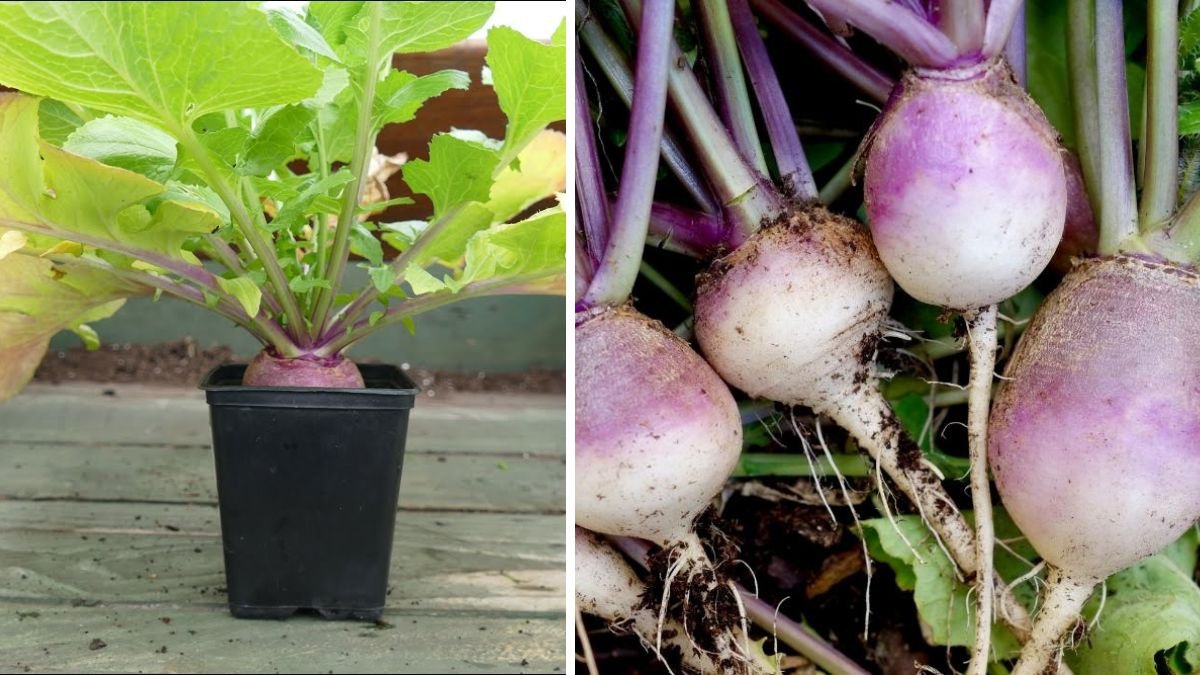
Growing your own vegetables can be both rewarding and fun, and baby turnips are a fantastic option for container gardening. These root vegetables not only thrive in pots but also produce a delicate flavor that’s perfect for salads, stews, and various dishes. This comprehensive guide will walk you through every step of the process, from selecting the right pot to harvesting.
Why Choose Baby Turnips?
Before diving into the practicalities, let’s explore why you should consider growing baby turnips:
- Space Requirements: Turnips are compact, making them ideal for container gardens or small spaces.
- Quick Growth: Baby turnips mature quickly, typically within 30 to 60 days. This allows for multiple harvests in a single growing season.
- Flavor Profile: Young turnips are milder and sweeter than their mature counterparts, making them versatile for cooking.
- Nutritional Benefits: Rich in vitamins C and K, fiber, and low in calories, turnips provide excellent nutritional value.
Selecting the Right Containers
Pot Size
Choosing the right pot size is crucial for healthy root development. A container with a depth of at least 8-10 inches is ideal for baby turnips. Wider pots allow for better root spread, enabling the bulbs to develop fully.
Material
Consider using pots made from:
- Plastic: Lightweight and retains moisture but may need extra care in temperature extremes.
- Terracotta: Breathable and good for root health, though they can dry out more quickly.
- Wood: Attractive and sturdy but ensure they’re lined or treated to prevent soil from washing out.
Drainage
Good drainage is vital. Look for pots with multiple drainage holes to prevent water pooling and root rot. You can also add a layer of gravel at the bottom of the pot to enhance drainage.
Soil Requirements
Soil Type
Turnips thrive in well-draining, loamy soil. A mix of potting soil, compost, and vermiculite provides a balanced environment. Ensure the soil is rich in organic material, which aids in water retention and nutrient availability.
pH Level
Turnips prefer a slightly acidic to neutral pH (between 6.0 and 7.0). You can test your soil pH using a home testing kit. Amend your soil accordingly with lime to raise pH or sulfur to lower it.
Planting Baby Turnips
When to Plant
The ideal planting period for baby turnips in pots is during the cool seasons of spring and fall. They can sometimes tolerate light frost, making them suitable for short cold spells.
Sowing Seeds
- Preparation: Fill your container with the prepared soil mix, leaving about an inch of space at the top.
- Sowing Depth: Sow seeds about 1/2 inch deep. Space the seeds 2-4 inches apart to avoid overcrowding.
- Watering: After sowing, gently water the soil to settle it around the seeds without washing them away.
Thinning Seedlings
Once the seedlings have grown to about 2 inches tall, thin them out. Leave only the healthiest plants, ensuring they are spaced about 4-6 inches apart. This will allow adequate room for bulbs to develop.
Watering Baby Turnips
Frequency
Consistent moisture is crucial for baby turnips. Water them regularly, especially during dry spells. The goal is to keep the soil consistently moist but not soggy.
Watering Technique
Water the plants at the base rather than overhead to prevent diseases. As a guide, aim for about an inch of water per week, adjusting based on weather conditions.
Fertilizing Your Turnips
Nutrient Needs
Baby turnips are not heavy feeders but will benefit from an application of a balanced fertilizer. Use a slow-release or organic fertilizer at planting and additional applications every few weeks as the plants grow.
Signs of Nutrient Deficiency
Look for signs of nutrient deficiency, such as yellowing leaves or stunted growth. If you notice these, it may be an indication to adjust your fertilization routine.
Sunlight and Temperature
Light Requirements
Baby turnips prefer full sun, meaning they need at least 6-8 hours of direct sunlight a day. If you’re growing them indoors, place them near a sunny window or provide supplemental grow lights.
Ideal Temperature
These vegetables thrive in cooler temperatures, ideally between 50°F and 75°F (10°C to 24°C). They can tolerate light frost, making them excellent for fall crops.
Pest and Disease Management
Common Pests
- Aphids: Small insects that can damage leaves. Use insecticidal soap or neem oil for control.
- Flea Beetles: Tiny jumping bugs that can create holes in the leaves. Row covers can help protect young plants.
- Cabbage Worms: Look for green caterpillars on leaves. Hand-picking is effective for small infestations.
Diseases
- Downy Mildew: A fungal disease that causes yellow spots. Ensure good air circulation and avoid overhead watering.
- Root Rot: This often results from overwatering. Ensure proper drainage and avoid letting the soil become too soggy.
Harvesting Baby Turnips
When to Harvest
Baby turnips are typically ready to harvest when they are about 2-3 inches in diameter. This usually falls between 30 and 60 days after planting, depending on the variety.
How to Harvest
Gently pull the turnips from the soil, being careful not to damage the roots of nearby plants. Use a garden fork for more stubborn roots, working around them to loosen the soil.
Storing Turnips
Freshly harvested turnips can be stored in a fridge for several weeks. If you prefer, you can also pickle or ferment them for longer storage.
FAQs
1. Can I grow baby turnips indoors?
Yes, baby turnips can be grown indoors if you provide adequate light and maintain the right temperature. Use pots that allow for good drainage.
2. What are the best varieties of baby turnips to grow?
Some popular baby turnip varieties include ‘Tokyo Cross,’ ‘Hakurei,’ and ‘White Globe.’ Each has unique flavors and growing characteristics.
3. How often should I water my baby turnips?
Aim to keep the soil consistently moist, providing about an inch of water weekly, adjusting for rainfall and temperature.
4. Can baby turnips be grown with other plants?
Yes, baby turnips grow well in companion planting setups. They can be sown alongside radishes, lettuce, and other leafy greens.
5. Why are my baby turnips not forming bulbs?
Insufficient sunlight, overcrowding, or poor soil conditions can inhibit bulb formation. Ensure they are given adequate space, light, and nutrients.
6. Do baby turnips require full sun?
Yes, they thrive in full sun, needing at least 6-8 hours of direct sunlight a day for optimal growth.
Conclusion
Growing healthy baby turnips in pots at home can be a fulfilling and productive venture. With the right preparation, care, and maintenance, you’ll be rewarded with sweet, crisp vegetables to enjoy in your home-cooked meals. Whether you have a spacious garden or just a small patio, baby turnips are an excellent addition to your gardening repertoire. Happy gardening!