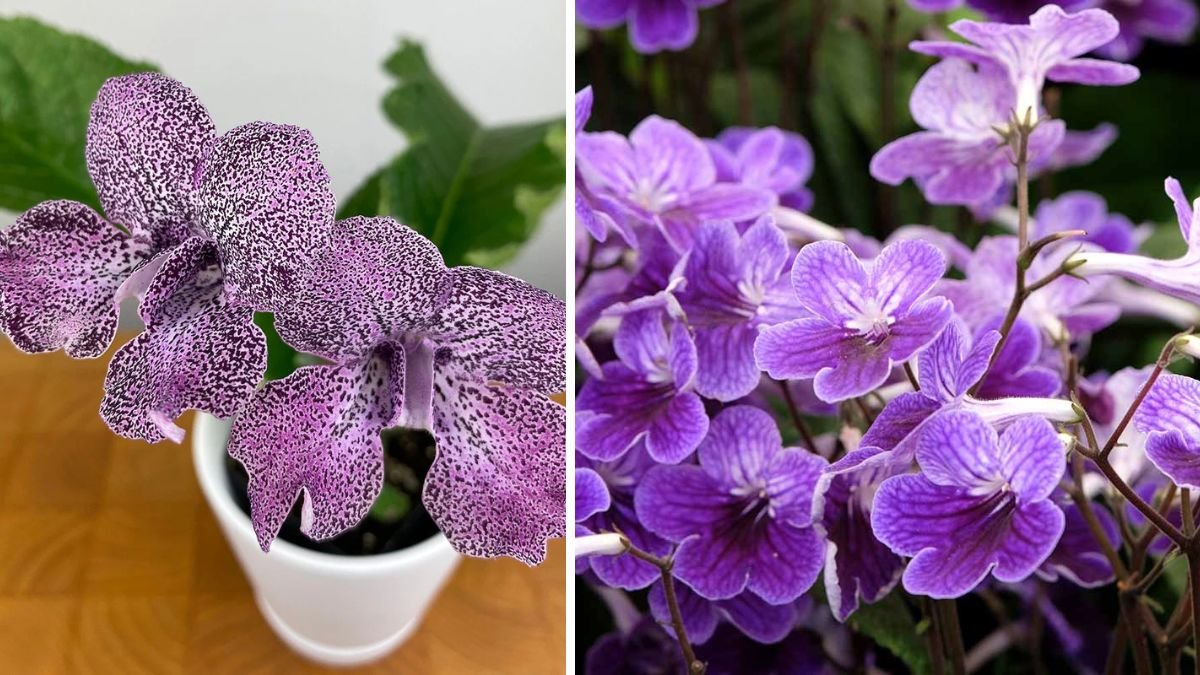
Streptocarpus, commonly known as Cape Primrose, is a stunning flowering plant that thrives in shaded environments. Known for their vibrant blooms and lush foliage, these plants are perfect for those who wish to beautify shady corners of their gardens or homes. This guide outlines the essential steps for successfully growing Streptocarpus with minimal effort, focusing on care tips, optimal growing conditions, and common issues.
Understanding Streptocarpus
Streptocarpus belongs to the Gesneriaceae family and is native to tropical regions of Africa. The plant typically features elongated, velvety leaves and blooms that can be purple, blue, pink, or white, among other colors. Its ability to adapt to low-light conditions makes it a popular choice for indoor gardening and shaded outdoor spaces.
Ideal Conditions for Growing Streptocarpus
Light Requirements
While Streptocarpus thrives in indirect sunlight, it can adapt to shaded areas quite efficiently. Ideally, the plant should receive bright, filtered light. Too much direct sunlight can scorch the leaves, while too little light may inhibit blooming.
Soil Composition
The soil should be well-draining yet moisture-retentive. A mix of peat moss, perlite, and a small amount of bark or coconut coir works effectively. This combination allows for proper aeration while retaining moisture—key to a happy Streptocarpus.
Watering Practices
These plants prefer consistently moist (but not soggy) soil. Watering should be done when the top inch of the soil feels dry. Using room-temperature water is ideal, and bottom watering can be an effective method to ensure even moisture distribution.
Temperature and Humidity
Streptocarpus flourishes in temperatures ranging from 60°F to 80°F (15°C to 27°C). They enjoy moderate humidity, so consider a humidity tray or misting if the air in your home is particularly dry. Keeping the plant away from drafty windows or heating vents can also prevent stress.
Minimal Effort Care Tips
-
Choosing the Right Container: Start with a pot that has drainage holes to prevent waterlogged soil. A fine mesh or a fabric pot can enhance aeration.
-
Fertilizing: Feed your Streptocarpus with a balanced, water-soluble fertilizer every 4–6 weeks during the growing season (spring to early autumn). This ensures the plant receives the nutrients it needs without overwhelming it.
-
Propagation: Streptocarpus can be propagated easily by leaf cuttings or via seeds. Leaf cuttings are simple—just cut a healthy leaf into sections and place them in moist soil. They will root and grow into new plants in time.
-
Pest Management: Be on the lookout for pests like aphids, mealybugs, and spider mites. Regularly check the undersides of leaves, as these pests prefer hiding. A gentle spray of water or a mild insecticidal soap can effectively manage infestations.
-
Repotting: As your Streptocarpus grows, it may need repotting every couple of years. Choose a slightly larger pot with fresh soil to help the plant thrive.
Challenges and Solutions
-
Leaf Yellowing: This could indicate overwatering. Ensure that the pot has proper drainage and adjust your watering schedule accordingly.
-
Poor Blooms: Lack of bloom can result from inadequate light. While they do grow in shade, initial bright indirect light may encourage blooming.
-
Fungal Issues: Overly wet conditions can lead to fungal problems. Allow the soil to dry slightly between waterings and improve air circulation around the plant.
-
Leggy Growth: This typically occurs in low-light situations. If your Streptocarpus becomes leggy, try moving it to a brighter spot with filtered sunlight.
Creating the Perfect Shade Environment
When growing Streptocarpus in shaded areas, creating a harmonious environment can elevate their performance. Consider the following factors:
-
Companion Plants: Pair your Streptocarpus with shade-loving companions, such as ferns, hostas, or astilbes. These can enhance the aesthetics of the space as well as improve humidity through transpiration.
-
Garden Design: Use taller plants to create levels and depth, allowing the Streptocarpus to be in a spot that receives the optimal amount of indirect light.
-
Containers and Patios: If growing indoors, consider arrange containers on multi-level plant stands to maximize light and create a visually appealing display.
-
Natural Elements: If planting outdoors, natural structures like trees or shrubs can offer filtered light while reducing exposure to harsh wind.
Choosing the Right Variety
Streptocarpus ranges from standard to mini varieties, and some are particularly well-suited for shade. Here are a few recommended varieties:
- Streptocarpus ‘Penny’s Black’: A stunning blue-purple bloom with darker edges, ideal for low-light environments.
- Streptocarpus ‘Tulip’: This variety features unique tulip-shaped flowers that thrive well in shaded spaces.
- Streptocarpus ‘Nina’: With large, vibrant flowers and an easy-going nature, it’s perfect for beginners.
Maintenance Calendar
Maintaining a consistent care schedule can make growing Streptocarpus more manageable. Here’s a brief calendar to guide you.
- Spring: Repot if necessary and begin fertilization.
- Summer: Regularly check moisture levels and pests. Monitor humidity.
- Fall: Gradually reduce fertilization.
- Winter: Maintain minimal watering and keep at optimal temperatures.
Frequently Asked Questions (FAQs)
1. Can Streptocarpus grow in full shade?
While they thrive in low light, full shade can limit blooming. Ideally, they should receive some indirect light each day to encourage flowering.
2. How often should I water Streptocarpus?
Water when the top inch of soil is dry. Generally, this might mean once or twice a week, depending on humidity and temperature.
3. Can Streptocarpus be grown outside?
Yes, but they need a partially shaded location in warm climates. Protect them from frost and extreme temperatures.
4. Are there any particular diseases I should worry about?
Common issues include powdery mildew and root rot due to overwatering. Use well-draining soil and tailor your watering schedule to prevent these problems.
5. How can I encourage more blooms?
Ensure adequate light, regular feeding, and avoid plant crowding. Pruning spent flowers can also promote new growth.
6. Is it safe to grow Streptocarpus indoors?
Yes, Streptocarpus is non-toxic to pets and humans, making it a safe indoor plant.
Conclusion
With minimal effort, you can successfully grow Streptocarpus in shaded areas by following these guidelines. By understanding their needs and creating an optimal environment, you’ll be rewarded with beautiful blooms and lush foliage that brighten even the shadiest corners of your home or garden. Enjoy the journey of nurturing this delightful plant, watch its vibrant colors emerge, and relish in the tranquility it brings to your surroundings.