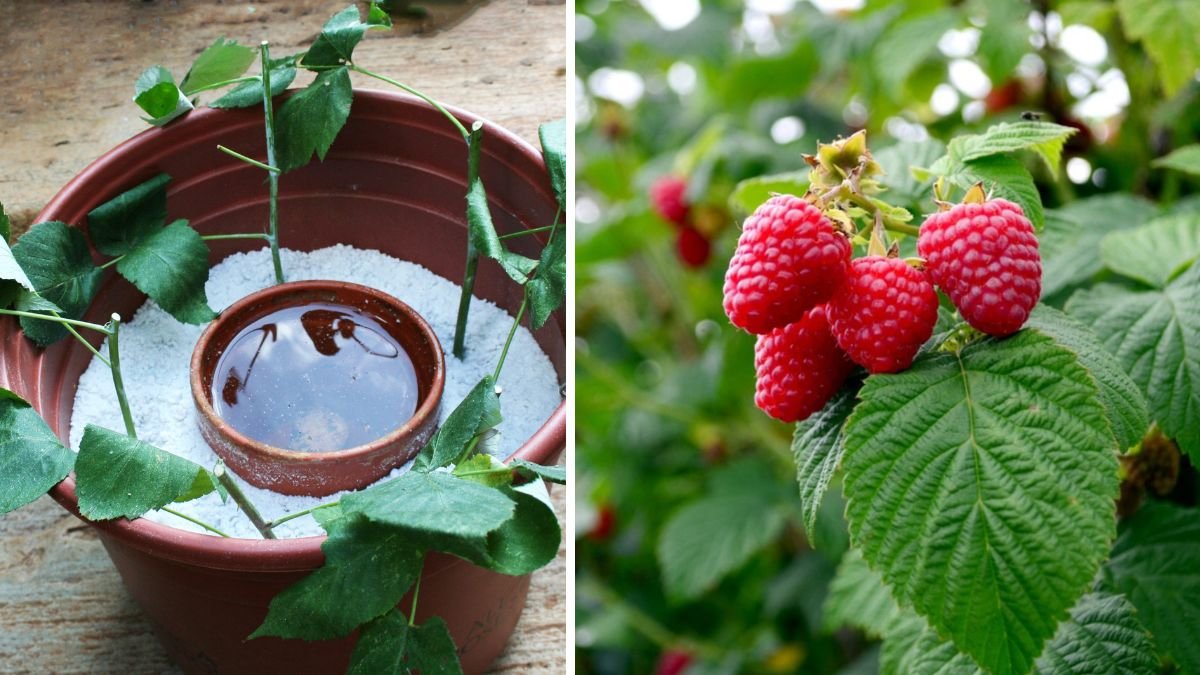
Raspberries are a delightful addition to any garden, providing sweet, tangy berries that can be used in desserts, jams, or simply enjoyed fresh. Growing raspberries from cuttings is an easy and cost-effective method to propagate this fruit, allowing gardeners to expand their berry production without spending a fortune. In this article, we’ll explore the step-by-step process of growing raspberries from cuttings and include some tips to ensure a fruitful harvest.
Understanding Raspberries
Before we dive into the propagation process, let’s take a moment to understand raspberries. Scientifically known as Rubus idaeus, raspberries are perennial plants known for their bramble-like stems and delicious berries. They can be categorized into two main types:
- Summer-Bearing Raspberries: These produce berries in early summer, typically in June or July.
- Ever-Bearing Raspberries: These can produce two crops each season, one in the summer and another in the fall.
Raspberries thrive in well-drained soil and require plenty of sunshine to grow. They are fairly hardy plants, but proper planning is essential to maximize your yield.
Why Grow Raspberries from Cuttings?
Growing raspberries from cuttings offers several benefits:
- Cost-Effective: Purchasing new plants can be expensive, but cuttings allow you to propagate your existing plants for free.
- Genetic Consistency: The new plants will have the same genetic makeup as the parent plant, resulting in consistent berry quality and flavor.
- Controlled Environment: You can propagate cuttings in a controlled environment, ensuring better success rates.
Step-by-Step Guide to Growing Raspberries from Cuttings
Step 1: Choose the Right Time
The best time to take raspberry cuttings is in late winter or early spring when the plants are dormant. This timing helps in establishing strong roots before the growing season begins. If you’re using existing plants in your garden, aim for late February to early April, depending on your local climate.
Step 2: Select Healthy Parent Plants
Ensure that the parent plants are healthy, disease-free, and of the desired variety. Look for sturdy canes that are at least one year old. Avoid cuttings from plants that show signs of disease or pest issues.
Step 3: Prepare the Cuttings
- Take Cuttings: Using sharp, sanitized pruning shears, cut 6 to 8-inch sections from the canes. Ensure each cutting has at least three buds (the little bumps where leaves grow).
- Trim the Leaves: Remove any leaves from the bottom half of the cutting. This helps redirect energy toward root growth.
- Optional – Dip in Rooting Hormone: Although not necessary, dipping the cut end of the cutting in rooting hormone can enhance root development.
Step 4: Plant the Cuttings
- Prepare Containers: Use small pots or seed trays filled with a well-draining potting mix. You can also mix in perlite or sand to improve drainage.
- Plant the Cuttings: Make a hole in the soil with your finger or a pencil and insert the cuttings, ensuring that at least one or two buds are buried. Firm the soil around the cutting to remove air pockets.
- Water Thoroughly: Water the cuttings gently to settle the soil and ensure good contact with the roots.
Step 5: Provide the Right Environment
- Location: Place the pots in a warm, bright spot, but avoid direct sunlight to prevent overheating.
- Humidity: To maintain humidity, cover the pots with a plastic bag or a propagation dome. Ensure good airflow to prevent mold and rot.
- Temperature: Raspberries prefer temperatures around 65–70°F (18–21°C) for optimal growth.
Step 6: Care for Your Cuttings
- Water: Keep the soil moist but not soggy. Overwatering can lead to root rot.
- Temperature and Light: Check daily to ensure the temperature and light conditions are appropriate. After several weeks, when roots have begun to develop, gradually acclimate them to brighter light.
Step 7: Transplanting
Once the cuttings have established roots, which will take about 4–8 weeks, it’s time to transplant them into your garden:
- Choose the Right Location: Raspberries prefer full sun and well-draining soil. Aim for a spot with good air circulation to minimize disease risks.
- Dig Holes: Prepare the planting holes, spacing them about 2-3 feet apart, depending on the variety.
- Transplant: Gently remove the new plants from their pots and place them in the holes. Fill around the roots with soil and water them well.
Step 8: Maintenance
- Watering: Keep the plants well-watered, especially during dry spells. Mulching around the base can also help retain moisture.
- Fertilization: Use a balanced fertilizer in early spring to promote growth. Follow the instructions on the package to avoid over-fertilizing.
Step 9: Harvesting
Depending on the type of raspberries you’re growing, you can expect your first harvest in the subsequent summer. Summer-bearing varieties will produce fruit in early summer, while ever-bearing varieties can yield in both summer and fall.
Step 10: Pruning
To keep your raspberry plants healthy and productive, regular pruning is essential. For summer-bearing varieties, prune after the fruiting season, removing old canes that have already produced fruit. For ever-bearing varieties, you can prune them in late winter or after the fall harvest.
Troubleshooting Common Issues
Even with the best care, you might encounter some common problems:
- Wilting Plants: This can indicate either underwatering or overwatering. Check soil moisture levels.
- Yellowing Leaves: Nutrient deficiency or overwatering can cause this. Ensure proper watering and consider a balanced fertilizer.
- Pests: Aphids and spider mites can be common pests. Regularly inspect your plants and take action if you see any signs of infestations.
FAQs
1. Can I grow raspberries from store-bought berries?
No, store-bought berries do not produce viable cuttings. It’s best to propagate from existing plants or purchase certified disease-free cuttings from a nursery.
2. How long will it take to harvest after planting cuttings?
Typically, it takes about 1 to 2 years for raspberry cuttings to produce their first fruit, depending on the variety and growing conditions.
3. What is the best soil for raspberries?
Raspberries prefer well-drained, loamy soil rich in organic matter. A pH between 5.5 and 6.5 is ideal.
4. Do raspberries need a lot of sunlight?
Yes, raspberries thrive in full sun, requiring at least 6-8 hours of direct sunlight daily to produce sweet, juicy berries.
5. How can I store raspberry cuttings?
If you need to store cuttings before planting, keep them in a cool, dark place in a damp paper towel or plastic bag until you can plant them.
6. Can I propagate raspberries from established plants in my garden?
Yes, you can propagate from established plants by taking cuttings or by using suckers (young plants that grow from the roots).
Conclusion
Growing raspberries from cuttings is a rewarding method that allows you to enjoy fresh, home-grown berries right from your garden. By following the steps outlined in this guide and providing the right care, you can cultivate a thriving raspberry patch that adds both beauty and flavor to your outdoor space. Happy gardening!