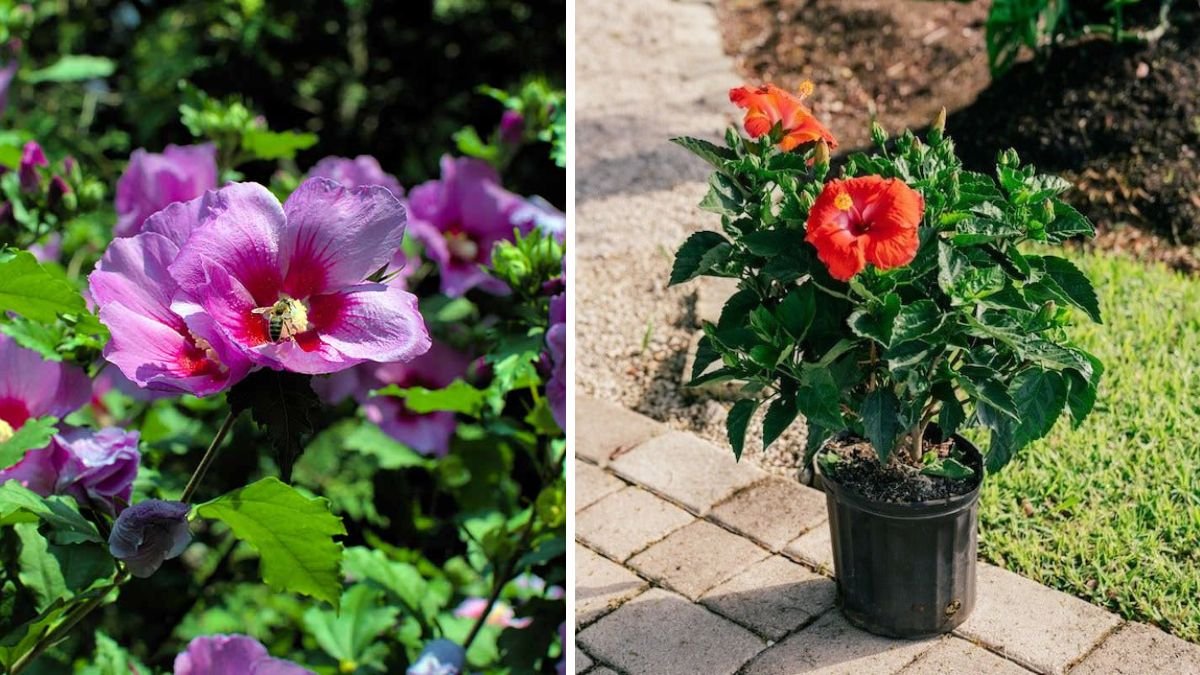
Hibiscus is one of the most beloved flowering plants, celebrated for its stunning blooms and lush foliage. Its tropical aura brings color and warmth to gardens, patios, and landscapes. Propagating hibiscus through cuttings is an effective method to expand your garden or share the beauty of these plants with friends. In this guide, we will explore the best practices for rooting hibiscus cuttings in natural mediums to ensure robust growth and vibrant blooms.
Understanding Hibiscus Varieties
Before diving into the propagation process, it’s essential to familiarize yourself with the different varieties of hibiscus. There are two main types:
-
Tropical Hibiscus: Known for their large, showy flowers and preference for warm climates, tropical hibiscus are often grown as annuals in cooler areas.
-
Hardy Hibiscus: Thriving in colder climates, hardy hibiscus possesses smaller blooms but has the benefit of returning year after year.
Knowing the type of hibiscus you want to propagate will help guide your care and management.
Selecting the Right Time for Cuttings
The ideal time to take hibiscus cuttings is during the growing season, typically in spring or early summer. During this time, the plant is most actively growing, which enhances the chances of successful rooting. Aim for a cloudy day or take cuttings in the late afternoon to reduce the stress that heat and sun can cause.
Preparing the Tools and Materials
To start rooting hibiscus cuttings, gather the following materials:
- Sharp garden shears or scissors: To ensure a clean cut.
- Healthy parent plant: Choose a vigorous hibiscus with healthy leaves and no signs of disease.
- Natural rooting medium: Suggestions include coconut coir, peat moss, or a homemade compost blend to promote healthy growth.
- Plastic bags or humidity dome: To maintain a moist environment.
- Water: For both soaking the cuttings and sustaining moisture in the medium.
Steps for Rooting Hibiscus Cuttings
1. Taking the Cuttings
Choose healthy stems that are at least 4 to 6 inches long and possess several leaf nodes. Selecting semi-hardwood stems—those that are mature but not fully woody—is ideal. Make the cut just below a node at a slight angle. This angled cut increases the surface area for rooting.
2. Preparing the Cuttings
Remove any flowers or buds from the cutting to redirect energy towards root development. Trim leaves to prevent excess moisture loss, leaving only two or three healthy leaves on each cutting.
3. Choosing Your Medium
Natural mediums provide a suitable environment for cuttings to root. Here are a few options:
-
Coconut Coir: A sustainable option that retains moisture well and provides excellent aeration. Mix coir with perlite to enhance drainage.
-
Peat Moss: While effective, it’s essential to source sustainably harvested peat or consider alternatives due to environmental concerns.
-
Homemade Compost Blend: A mix of leaf mold, composted kitchen scraps, and aged manure can provide a nutrient-rich medium beneficial for hibiscus cuttings.
4. Planting the Cuttings
Fill pots or trays with the prepared natural medium, leaving about an inch of space at the top. Dampen the medium to settle it, making sure it’s moist but not soggy. Use your finger or a pencil to create holes for the cuttings.
Gently insert the cuttings into the holes, ensuring that at least one leaf node is buried in the medium. Firm the medium around the base to eliminate air pockets.
5. Creating a Humid Environment
High humidity is crucial for the successful rooting of cuttings. Cover the pots with a plastic bag or humidity dome. Ensure that the covering does not touch the leaves. Open it periodically to prevent excessive moisture buildup, which could lead to mold or rot.
6. Watering and Care
Maintain a consistently moist medium but avoid overwatering. Check daily for moisture; the top layer should feel damp but not soggy. Mist the cuttings if the air is particularly dry, but avoid saturating them.
7. Monitoring Growth
Keep the cuttings in a warm spot with indirect sunlight. Direct sunlight might be too intense and can scorch the cuttings. After about 4 to 6 weeks, gently tug on the cuttings to assess root development. Firm resistance indicates forming roots.
8. Transplanting
Once strong roots have developed, it’s time to transplant the cuttings into larger pots or your garden. Gradually acclimate them to outdoor conditions by exposing them to sunlight and wind for increasing intervals over a week. When transplanting, ensure the new soil is rich yet well-draining. Water thoroughly after planting.
Additional Care Tips for Vibrant Growth
-
Fertilization: After root establishment, use a balanced, slow-release fertilizer to promote growth. Organic options like fish emulsion or a seaweed extract can also be beneficial.
-
Pest and Disease Management: Regularly check for pests like aphids or spider mites. Treat any infestations early with insecticidal soap or neem oil.
-
Pruning: Encourage bushy growth by pinching back tips of the stems once your hibiscus plants have established and grown several sets of leaves.
Common Challenges in Rooting Hibiscus Cuttings
-
Rotting: This can occur from excess moisture. Ensure good drainage in your medium and keep the cuttings in a humid but not soggy environment.
-
Lack of Rooting: If roots do not develop, check for overexposure to direct sunlight or inadequate humidity.
-
Leaf Drop: This may occur due to stress or environmental changes. Maintain consistent conditions to reduce leaf drop.
Frequently Asked Questions (FAQs)
1. How long does it take for hibiscus cuttings to root?
Typically, hibiscus cuttings will root within 4 to 6 weeks, depending on environmental conditions and care practices.
2. Can I use water to root hibiscus cuttings?
While some plants root well in water, hibiscus cuttings generally perform better in a natural medium that provides necessary nutrients and support.
3. How often should I water hibiscus cuttings?
Water the cuttings to maintain a consistently moist medium. Check daily and adjust based on temperature and humidity levels.
4. Can I root hibiscus cuttings in winter?
Rooting cuttings in winter is less effective due to cooler temperatures and reduced light. If you must attempt it, consider using a heated propagator and grow lights to create optimal conditions.
5. What do I do if my cuttings don’t root?
If your cuttings fail to root, try taking new cuttings from the parent plant, ensuring you follow proper techniques. Adjust factors such as humidity, temperature, and potential pests.
6. How can I ensure strong growth after rooting?
After transplanting rooted cuttings, provide a balanced fertilizer, ensure proper water and light, and monitor for pests regularly.
Final Thoughts
Rooting hibiscus cuttings in natural mediums is a fulfilling and straightforward endeavor that allows you to expand your gardening passion. With the right tools, conditions, and care, you can enjoy a thriving hibiscus collection that brightens your space and brings joy throughout the blooming season. Happy gardening!