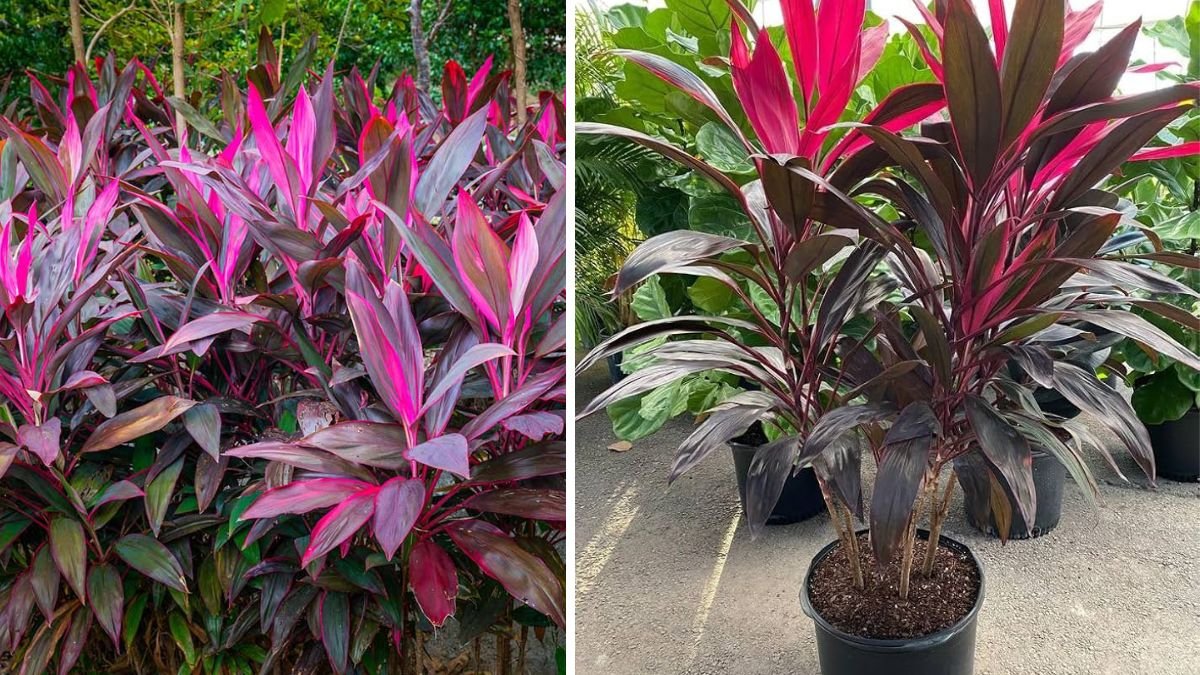
Ti plants (Cordyline fruticosa), known for their vibrant foliage and tropical appearance, are a fantastic addition to any garden. These versatile plants, originating from the Pacific Islands, can thrive in various climates, making them popular in landscapes worldwide. This article will delve into the best techniques for cultivating ti plants, offering you the knowledge to create a vibrant garden overflowing with tropical flair.
Understanding Ti Plants
Description and Characteristics
Ti plants can range in height from three to ten feet and produce thick, leathery leaves that come in various colors from bright green to deep burgundy, purple, and even variegated forms. They are particularly valued for their striking foliage, which can be used to create eye-catching focal points in your garden.
Growing Zones
Ti plants thrive in USDA hardiness zones 9 to 11, where temperatures generally don’t dip below 20°F (-6°C). In cooler climates, they can be grown as annuals or brought indoors as houseplants during the winter months.
Preparing Your Landscape for Ti Plants
1. Selecting the Right Location
Ti plants prefer areas with partial to full sun. While they can handle some shade, their vibrant colors will be more pronounced in brighter light. Look for a spot that gets at least four to six hours of direct sunlight daily.
2. Soil Requirements
Well-draining, rich, and loamy soil is ideal for ti plants. Since these plants thrive in organic-rich environments, consider amending your soil with compost or well-rotted manure to enhance its fertility. The pH level should ideally be between 6.0 and 7.0.
Testing Soil Quality
Before planting, test your soil for nutrient levels and pH. Soil tests can help you amend your soil appropriately. Local extension services often provide testing kits for homeowners to assess soil health.
3. Creating the Right Microclimate
Ti plants thrive in warm, humid environments. If your garden has dry conditions, consider using mulch to retain moisture and creating microclimates with companion plants that help maintain humidity.
Planting Techniques for Ti Plants
1. Propagation
Ti plants can be propagated through several methods, including seeds, cuttings, or division.
-
Seeds: While growing from seeds can be rewarding, it is a slower process. Seeds should be soaked for a few hours prior to planting, then placed in a seed-starting mix and kept moist until they germinate.
-
Cuttings: Take healthy stem cuttings in the spring or summer. Ensure the cutting is at least six inches long, with a few leaves. Dip the cutting in rooting hormone and plant it in a well-draining potting mix.
-
Division: If your ti plant has outgrown its space, you can divide the root ball in spring. Gently remove the plant from the soil, separate the roots, and replant in suitable locations.
2. Planting Process
When planting ti plants:
-
Dig a Hole: Make a hole twice the width of the root ball but no deeper than its height.
-
Amend the Soil: Mix in compost and ensure good drainage.
-
Positioning: Place the plant in the hole, ensuring that the root crown is level with the soil surface.
-
Backfill and Water: Fill the hole with soil and water deeply. Adding a layer of mulch can help retain moisture and suppress weeds.
Maintenance for Healthy Ti Plants
1. Watering
Ti plants enjoy consistently moist soil but dislike waterlogging. Water them regularly, allowing the top inch of soil to dry out between watering. In particularly hot weather, they may require more frequent watering.
2. Fertilization
Apply a balanced, slow-release fertilizer every six to eight weeks during the growing season. Organic options like fish emulsion or compost tea can enhance growth and color vibrancy.
3. Pruning and Grooming
Regularly prune away any yellow or brown leaves to maintain the plant’s appearance and health. Pruning can also promote bushier growth.
4. Pest and Disease Management
Ti plants are generally resistant to pests but can occasionally attract aphids, mealybugs, or spider mites. Regular inspection and, if necessary, the application of insecticidal soap can help manage these pests.
Disease Prevention
To prevent diseases like root rot, ensure proper drainage and avoid overwatering. Leaf blight can occur in overly humid conditions; removing infected leaves promptly helps control its spread.
Incorporating Ti Plants into Your Landscape
1. Focal Points
Use ti plants as focal points in your garden design. Their tall stature and colorful foliage can draw the eye, especially when paired with contrasting plants.
2. Border Planting
Consider planting ti plants along pathways or garden borders to create visual interest and lend a tropical feel.
3. Container Gardening
Ti plants thrive in pots, making them excellent candidates for container gardening. This approach allows for easy mobility and repositioning to optimize sunlight exposure.
4. Companion Planting
Pair ti plants with other tropical plants like hibiscus, elephant ears, or ornamental grasses to create a lush, layered landscape. This companion planting can enhance humidity levels and create an inviting garden atmosphere.
Tips for Winter Care
In regions experiencing cold spells, care is essential. If grown as perennials:
-
Cover Plants: Use frost cloths or old blankets to insulate them temporarily.
-
Bring Indoors: If your plants are in pots, bring them inside during cold months. Ensure they get adequate light indoors.
Conclusion
Cultivating ti plants can transform your garden into a vibrant, tropical paradise. With proper care and thoughtful integration into your landscape, these striking plants can provide year-round beauty and joy.
FAQs
1. Can ti plants tolerate frost?
Ti plants are not frost-tolerant. In colder climates, it’s best to grow them in pots or as annuals to bring indoors during cold weather.
2. How often should I fertilize my ti plants?
Fertilize ti plants every six to eight weeks during the growing season with a balanced fertilizer.
3. Can ti plants be grown indoors?
Yes, ti plants can thrive indoors, provided they receive ample sunlight and humidity. Ensure they are placed in well-draining pots.
4. What should I do if my ti plant’s leaves start turning yellow?
Yellowing leaves can indicate overwatering or inadequate light. Check soil moisture and light conditions, and adjust your care regimen accordingly.
5. Are ti plants toxic to pets?
Ti plants are considered non-toxic to pets, but it’s always best to monitor for any unusual reactions.
By following these techniques and practices, you can cultivate stunning ti plants that will add vibrant color and tropical allure to your garden. Happy gardening!