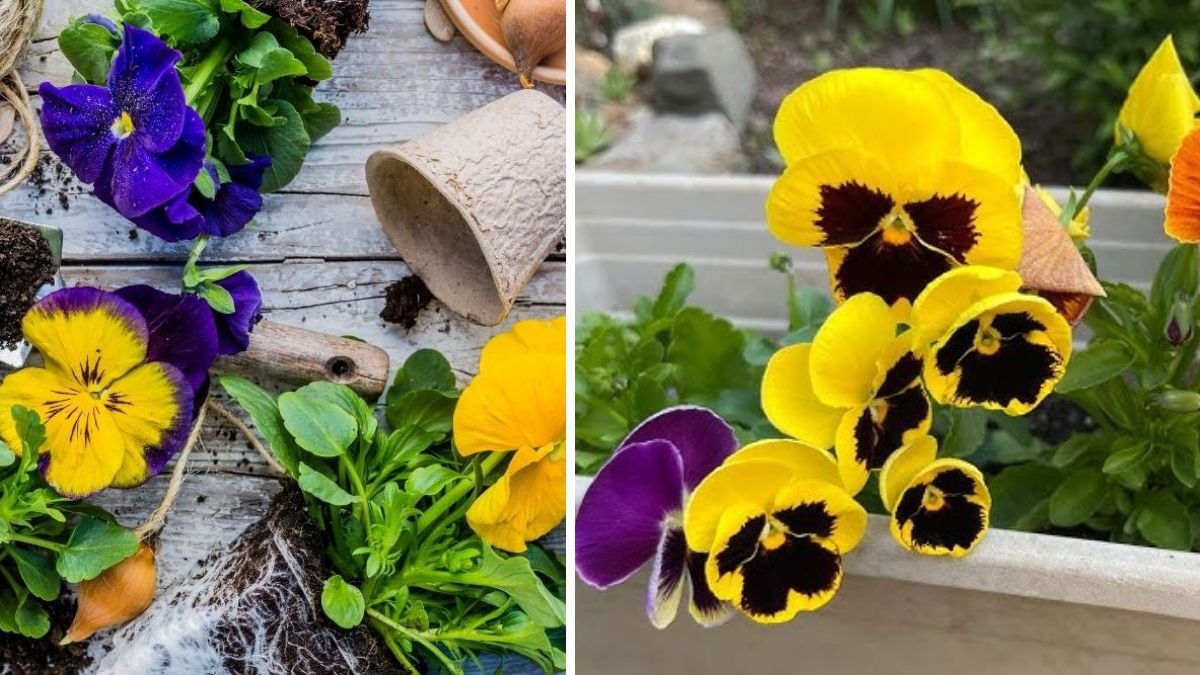
Pansies are among the most beloved garden flowers, known for their vibrant colors and unique “faces.” These charming plants offer an extensive array of hues, making them a favorite for floral displays in gardens, pots, and window boxes. Growing pansies from seed to bloom might seem daunting to beginner gardeners, but with the right knowledge and approach, it can be an incredibly rewarding experience. This guide will walk you through the process from seed selection to planting, care, and blooming.
Understanding Pansies
Pansies belong to the Viola species and typically bloom in a combination of colors, ranging from deep purples to sunny yellows. Their popular varieties include:
- Viola tricolor: The classic wild pansy with a smaller flower size.
- Viola x wittrockiana: The larger, hybrid pansy known for its extensive range of colors.
These flowers are particularly admired for their resilience to cooler weather and versatility in garden styles.
Seed Selection
The first step in growing healthy pansy plants is selecting high-quality seeds. It’s advisable to purchase seeds from reputable sources, ensuring that you are getting fresh and viable seeds. Here are a few tips for seed selection:
-
Choose the Right Variety: Numerous cultivars exist, so consider colors, flower size, and growth habits that suit your garden aesthetic.
-
Opt for Organic Seeds: If you’re concerned about pesticides and GMOs, look for certified organic seeds.
-
Check Seed Packets: Look for packets that indicate germination rates, planting times, and optimal growing conditions.
Preparing to Plant
Once you have your seeds, it’s time to prepare for planting. Ensure you have the necessary materials:
- Seed Starting Mix: A sterile, light mix to promote healthy root development.
- Containers: Seedling trays, pots, or any seed starting containers with drainage holes.
- Light Source: Grow lights or a sunny windowsill for adequate light.
Important: Avoid using garden soil as it may contain pathogens or weed seeds that harm young plants.
Timing for Planting
Pansy seeds are best sown 10-12 weeks before the last expected frost in your area. This timing allows for robust growth as they typically enjoy cooler temperatures. If you want blooms in early spring, start seeds indoors in late winter or early spring, or sow them directly outdoors as soon as the soil can be worked.
Sowing Seeds
Sowing seeds correctly is vital for germination:
-
Moisten the Seed Starting Mix: Start with damp but not soggy mix.
-
Sow Seeds: Scatter the seeds thinly on the surface of the mix. Pansy seeds require light to germinate, so avoid covering them.
-
Provide Warmth: Cover the trays with a plastic dome or plastic wrap to retain moisture and warmth, which helps germination.
-
Light and Moisture: Place the containers under grow lights or in a sunny window, ensuring the soil stays moist. Remove the cover once seedlings emerge, typically within 7-14 days.
Caring for Seedlings
As your pansy seedlings emerge, provide them the care they need to thrive:
Light
Seedlings need at least 12-16 hours of light per day. If natural light is insufficient, use grow lights. Keep the lights a few inches above the seedlings and adjust them as the plants grow.
Watering
Water seedlings regularly to keep the soil consistently moist but well-drained. Ensure proper watering practices to prevent fungal diseases. It’s best to water from the bottom by placing the trays in a shallow pan of water to allow the soil to soak up moisture.
Fertilizing
Once seedlings develop their first true leaves (the second set of leaves), start fertilizing them with a balanced, water-soluble fertilizer diluted to half strength. Fertilize every 1-2 weeks to promote strong growth.
Thinning
Thinning is essential to prevent overcrowding, which leads to weak plants. Once seedlings have a few sets of true leaves, thin them out to allow 3-4 inches of space between each plant. You can transplant the thinned seedlings into separate pots.
Transplanting Outdoors
When seedlings grow to about 2-3 inches tall and the danger of frost has passed, it’s time to transplant them outdoors.
Hardening Off
Before moving pansies outside, acclimatize (harden off) them. Start by placing them outdoors in a sheltered spot for a few hours each day, gradually increasing their time outside over a week.
Choosing a Location
Pansies thrive in full sun to partial shade. Choose a location with well-draining soil enriched with organic matter like compost. This will provide essential nutrients.
Planting
-
Dig holes: Space holes about 6-8 inches apart, as pansies prefer some space for airflow.
-
Insert Seedlings: Plant the seedlings at the same depth they were in their containers and gently pack the soil around their roots.
-
Water Thoroughly: After planting, give them a deep watering to help establish roots.
Caring for Pansies
Now that your pansies are in the ground, they need care to reach their full blooming potential:
Watering
Maintain consistent moisture, especially during dry spells. However, be cautious not to overwater, as this can lead to root rot.
Fertilization
Every 4-6 weeks, apply a balanced fertilizer to nourish the plants throughout their growing season. Follow package instructions for correct amounts.
Pest and Disease Management
Keep an eye out for common pests like aphids and slugs, and manage them through organic methods like neem oil or by hand-picking. Ensure good air circulation around the plants to prevent fungal diseases.
Deadheading
Remove spent flowers to encourage new blooms. This practice keeps the plant looking tidy and promotes continuous flowering.
Achieving Maximum Bloom
Pansies usually bloom in spring and fall, and with proper care, they can provide a spectacular show of color. Expect flowering to last several weeks, and with mild winters, some varieties can even bloom year-round in warmer climates.
Seasonal Care
Once the blooming period is over, consider cutting back any straggly growth. In colder climates, mulch around the base to protect the roots from the winter chill.
Conclusion
Growing pansies from seed to bloom is a gratifying experience that brings joy and vibrant color to your garden. By following the outlined steps—from seed selection to caring for the plants—you’ll cultivate strong, healthy pansy plants that brighten your garden spaces.
Frequently Asked Questions (FAQs)
1. How long does it take for pansy seeds to germinate?
Pansy seeds typically germinate within 7-14 days, depending on environmental conditions.
2. Can I direct sow pansy seeds outdoors?
Yes, if sowing directly outdoors, do so as soon as soil can be worked in the spring or in late summer for fall bloomers.
3. Do pansies come back every year?
In many regions, pansies are treated as annuals. However, in cooler climates, they can be perennial and may survive winter to bloom again in spring.
4. What pests affect pansies?
Common pests include aphids, slugs, and snails. Monitor plants regularly and use organic methods to control infestations.
5. How often should I water pansies?
Pansies prefer consistently moist soil; water them regularly but avoid waterlogging. Checking moisture every few days is advisable.
6. Will pansies thrive in full sun?
Pansies tolerate full sun but can benefit from partial shade in extremely hot conditions. Ensure they receive adequate moisture if planted in full sun.
7. When should I prune my pansies?
Deadhead spent flowers regularly and prune back any straggly growth after the blooming season to encourage new growth.
By following these guidelines, you’ll be set to create a flourishing display of pansies that will enhance any garden. Enjoy the gardening journey!