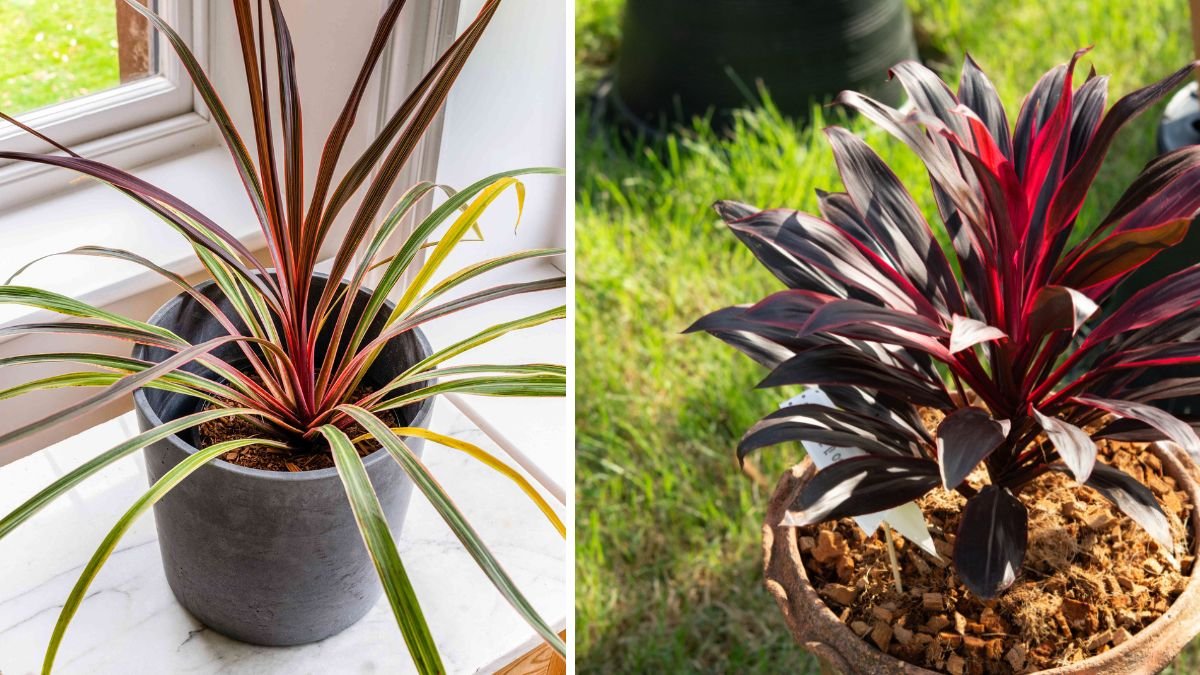
Cordyline plants, commonly known as ti plants, are renowned for their striking foliage that can transform any garden into a vibrant oasis. With their long, sword-like leaves and a variety of colors ranging from vivid greens to deep purples and reds, Cordyline species are the perfect choices for creating stunning color beds. This comprehensive guide will explore everything you need to know about growing Cordyline, from selecting the right variety to caring for them throughout the seasons.
Understanding Cordyline
What is Cordyline?
Cordyline is a genus of plants in the Asparagaceae family, which includes around 15 species. Originally from tropical and subtropical regions of the Pacific and Southeast Asia, many Cordyline species have become popular in gardens worldwide for their ornamental value. The most commonly grown varieties include:
- Cordyline fruticosa: Often referred to as the ti plant, it is celebrated for its colorful foliage.
- Cordyline australis: Known as the cabbage tree, it has a tree-like structure and is often used for height in gardens.
Why Grow Cordyline?
- Aesthetic Appeal: Cordyline plants add vibrant colors and textures to any landscape.
- Versatility: They can be grown in garden beds, borders, or even as standalone specimens in pots.
- Low Maintenance: Once established, Cordyline requires minimal care and is drought-tolerant.
Selecting the Right Variety
Choosing the right Cordyline variety can have a significant impact on the overall look of your garden. Here are some popular choices:
- Cordyline fruticosa ‘Red Flash’: Features striking red and green leaves, ideal for dramatic color beds.
- Cordyline ‘Electric Pink’: Known for its vibrant pink foliage, this variety brings a cheerful vibe to any garden.
- Cordyline ‘Chocolate Queen’: With deep burgundy leaves, it adds elegance and sophistication.
Tips for Selection
- Climate Compatibility: Ensure the variety you choose thrives in your local climate.
- Size Consideration: Some varieties grow taller than others; consider height when planning your beds.
- Color Harmony: Select varieties that complement the other plants in your garden palette.
Preparing Your Garden Bed
Location
Cordyline plants thrive best in full sun to part shade. Consider:
- Sunlight: Aim for at least six hours of sunlight daily, as this enhances the vibrancy of the foliage.
- Wind Protection: In windy areas, plant them in sheltered locations to prevent leaf damage.
Soil Preparation
- Soil Type: Cordyline prefers well-draining, loamy, or sandy soil rich in organic matter.
- pH Level: A slightly acidic to neutral pH (6.0-7.0) is ideal.
- Improving Soil: Amend the soil with compost to enhance its nutrient content.
Designing the Layout
- Spacing: Space plants about 3-4 feet apart to allow for their mature size and to ensure good airflow.
- Layering: Use taller varieties at the back and shorter ones at the front for visual interest.
Planting Cordyline
When you’re ready to plant, follow these steps:
- Timing: The best time to plant Cordyline is in spring or early summer when the threat of frost has passed.
- Digging Holes: Dig holes twice as wide and deep as the root ball of the plant.
- Planting: Place the plant in the hole, ensuring the top of the root ball is level with the soil surface. Backfill with soil and water thoroughly.
Caring for Your Cordyline
Watering
- Initial Phase: Water frequently during the first few weeks to establish roots.
- Established Plants: Once established, Cordyline is drought-tolerant. Water only when the top inch of soil feels dry.
Fertilizing
- Type of Fertilizer: Use a balanced fertilizer with equal parts nitrogen, phosphorus, and potassium.
- Timing: Apply during the growing season every 6-8 weeks to encourage healthy growth.
Pruning
- When to Prune: Prune in late winter or early spring to remove dead or damaged leaves.
- How to Prune: Use sharp scissors or shears, making clean cuts to prevent diseases.
Pest and Disease Control
While Cordyline is relatively pest-resistant, keep an eye out for:
- Mealybugs: Treat with insecticidal soap or neem oil.
- Leaf Spots: Ensure good airflow and avoid overhead watering.
Creating a Stunning Color Bed
Companion Planting
Consider incorporating companion plants that complement Cordyline’s colors and textures. Options include:
- Ornamental Grasses: Such as Miscanthus or Pennisetum for a wispy effect.
- Flowering Plants: Like Agapanthus or Hibiscus for added blooms.
Seasonal Interest
To create year-round appeal, select plants that bloom in different seasons and consider adding:
- Groundcovers: Like creeping thyme to fill gaps.
- Annuals: To provide color during specific seasons.
Mulching
Applying organic mulch around your Cordyline helps retain moisture, suppress weeds, and improve soil quality. Use materials like bark chips or straw.
Troubleshooting Common Issues
Leaf Browning
If leaves appear brown or scorched, it may indicate:
- Too Much Sun: Move plants to a partially shaded area.
- Insufficient Water: Ensure adequate watering.
Stunted Growth
If growth seems slow, check for:
- Nutrient Deficiencies: Ensure you’re fertilizing appropriately.
- Root Rot: Ensure proper drainage and avoid overwatering.
Winter Care
In colder climates, protecting Cordyline through winter is crucial:
- Mulching: Apply a thick layer of mulch to insulate roots.
- Container Plants: Bring potted plants indoors or to a sheltered area.
FAQs
1. How fast do Cordyline plants grow?
Cordyline plants generally grow at a moderate pace, reaching their full height in about 3-5 years, depending on the variety and growing conditions.
2. Can I grow Cordyline indoors?
Yes, Cordyline can thrive indoors with adequate light. Ensure they receive bright, indirect sunlight and a well-draining potting mix.
3. Do Cordyline plants attract pests?
Cordyline plants are relatively pest-resistant, but they can occasionally attract mealybugs and aphids. Regular monitoring can help prevent infestations.
4. How often should I fertilize Cordyline?
Fertilize Cordyline every 6-8 weeks during the growing season with a balanced fertilizer.
5. Can Cordyline survive frost?
Most Cordyline varieties are not frost-tolerant. In colder regions, it’s best to provide winter protection or grow them in containers that can be moved indoors.
6. What are common diseases affecting Cordyline?
Common issues include leaf spots and root rot, usually caused by overwatering or poor air circulation.
7. Are Cordyline plants toxic to pets?
Cordyline is generally considered non-toxic to pets, but ingestion can cause mild digestive upset. Monitor pets around the plant.
8. How do I propagate Cordyline?
Cordyline can be propagated through stem cuttings or division. Ensure cuttings have at least a few nodes and keep them in a warm, humid environment until roots develop.
Conclusion
Growing stunning Cordyline color beds is a rewarding endeavor that enhances the beauty of your landscape. By selecting the right varieties, preparing your garden meticulously, and providing adequate care, you can create a vibrant oasis that flourishes throughout the seasons. With this comprehensive guide, you’re well-equipped to embark on your journey to stunning shade and color with Cordyline!