Introduction
When it comes to transforming landscapes, few plants can compare to the beauty and resilience of verbena. This versatile flowering plant is often celebrated for its vibrant colors, long flowering period, and ability to thrive in various environments. Whether you want to fill empty spots in your garden, create a stunning border, or suppress weeds, verbena ground cover is an excellent choice. In this ultimate guide, we will explore everything you need to know about cultivating verbena in your garden.
What is Verbena?
Verbena refers to a genus of flowering plants in the family Verbenaceae. These plants can be annuals, perennials, or subshrubs, and they are native to various parts of the world, particularly the Americas and Europe. The most commonly used species for ground cover are Verbena rigida and Verbena bonariensis.
Characteristics of Verbena
-
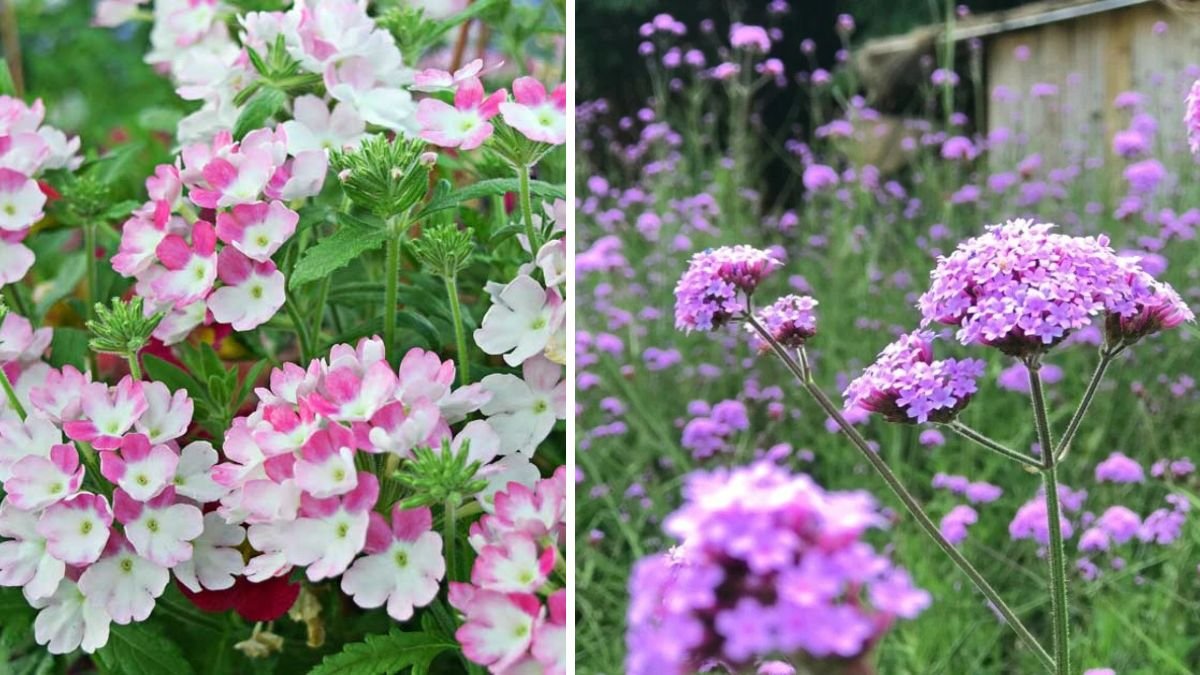
Flowers: Verbena produces clusters of small, vibrant blooms that come in various colors, including purple, pink, red, and white. The flowers typically attract butterflies and other pollinators.
-
Foliage: The leaves are usually green, serrated, and aromatic. They provide an excellent contrast to the flowers, adding texture to your garden.
-
Growth Habit: Verbena can grow up to 12 to 24 inches tall and can spread significantly, making it perfect for ground cover.
-
Resilience: Known for its drought tolerance and ability to thrive in poor soil, verbena is a hardy plant that can withstand various environmental conditions.
Choosing the Right Verbena for Your Garden
Types of Verbena
-
Verbena bonariensis: This species is highly popular for borders and attracts butterflies. It grows tall and is often used for cutting gardens.
-
Verbena rigida: Known for its low-growing nature, this variety makes for superb ground cover and blooms profusely.
-
Homestead Verbena (Verbena x hybrida): A hybrid variety known for its vibrant flowers that bloom all season long.
Climate and Zone Considerations
Verbena thrives in USDA hardiness zones 7 to 11, but some varieties can survive colder climates with proper care. If you live in a cooler zone, consider using annual verbena or planting verbenas as an annual in your garden.
Soil Requirements
Soil Composition
Verbena prefers well-draining soil rich in organic matter. The ideal soil composition consists of:
- Loamy soil: Ideal for drainage and nutrient retention.
- pH level: A pH range of 6.0 to 7.5 is optimal.
Soil Preparation
-
Test the Soil: Consider a soil test to check for pH and nutrient levels.
-
Amend the Soil: Based on the result, add compost or well-rotted manure to enrich the soil.
-
Tilling: Till the soil to aerate and incorporate amendments evenly.
Ideal Sunlight Conditions
Verbena flourishes in full sun, meaning it requires at least six hours of sunlight daily. While some varieties can tolerate partial shade, they will produce fewer flowers. A sunny spot ensures vibrant blooms and healthy growth.
Planting Verbena
Preparing to Plant
-
Spacing: When planting verbena, space them about 12 inches apart to allow for airflow and prevent overcrowding.
-
Planting Time: The best time to plant verbena is in the spring after the last frost, or in the fall for mild climates.
Planting Steps
-
Digging Holes: Dig holes that are twice the width of the root ball.
-
Positioning the Plant: Place the plant in the hole with the crown at soil level.
-
Backfilling: Fill the hole with soil, tamping it down lightly.
-
Watering: Water the plants generously after planting to settle the soil.
Care and Maintenance
Watering
Verbena is drought-tolerant but will benefit from regular watering during dry spells. Water deeply but infrequently to encourage deep root growth. Be cautious not to overwater, as this may lead to root rot.
Fertilization
Applying a balanced fertilizer in early spring can boost growth and flowering. However, verbena can thrive in poor soil conditions, so be judicious with fertilizer use.
Pruning and Deadheading
Pruning and deadheading will promote a bushier growth habit and encourage more blooms. Remove spent flowers regularly to improve the overall appearance and vitality of the plant.
Pest and Disease Management
While verbena is typically resistant to pests and diseases, keep an eye out for:
- Powdery Mildew: Can be prevented with good air circulation and proper drainage.
- Spider Mites: Use insecticidal soap or neem oil if you notice these pests.
Designing with Verbena in Your Garden
Ground Cover
Verbena’s sprawling growth habit makes it an excellent choice for ground cover. Plant it in areas where you want to suppress weeds and create a vibrant carpet of flowers.
Borders and Edges
Use verbena to create eye-catching borders and edges around walkways or garden beds. Its height and color can enhance the visual appeal of your garden.
Container Gardens
Combining verbena with complementary flowering plants in containers can create stunning displays. It pairs well with plants like petunias, geraniums, or lantana.
Seasonal Care
Spring
- Inspect for Damage: Check for any damage from winter.
- Fertilize: Apply a balanced fertilizer to kickstart growth.
Summer
- Watering: Ensure adequate watering during dry spells.
- Deadheading: Deadhead regularly to promote continuous blooming.
Fall
- Last Deadheading: Give your verbena a final deadheading before winter.
- Mulching: Apply mulch to protect roots in colder climates.
Winter
In colder zones, consider treating verbena as an annual, or provide protection through mulch and cover. It may die back, but you can enjoy its vibrant blooms the following year.
Frequently Asked Questions (FAQs)
1. How fast does verbena spread?
Verbena can spread rapidly, often covering an area of about 24 to 36 inches in one season. Properly spaced plants will fill in gaps quickly.
2. Is verbena deer-resistant?
Yes, verbena is generally considered deer-resistant due to its aromatic leaves. However, in severe cases of deer starvation, they may consume it.
3. Can verbena be grown in containers?
Absolutely! Verbena thrives in containers as long as proper drainage is ensured. Choose a pot that is large enough to accommodate root growth.
4. How do I propagate verbena?
Verbena can be propagated from seeds, cuttings, or division. The easiest method for home gardeners is taking cuttings from a healthy plant in spring or early summer.
5. What are the best companion plants for verbena?
Verbena pairs well with other sun-loving plants like marigolds, salvia, and petunias. The combination provides both color and attracts a variety of pollinators.
6. How can I protect my verbena in winter?
In colder zones, you can mulch around the roots and provide shelter with burlap or frost cloth. In warmer areas, verbena acts as a perennial, thriving year after year.
Conclusion
Cultivating verbena ground cover in your garden can be a rewarding experience that enhances both the beauty and functionality of your landscape. With the right care and conditions, you can enjoy a stunning display of vibrant colors throughout the growing season. Use this guide to transform your garden into a vibrant, resilient paradise with stunning verbena blooms!