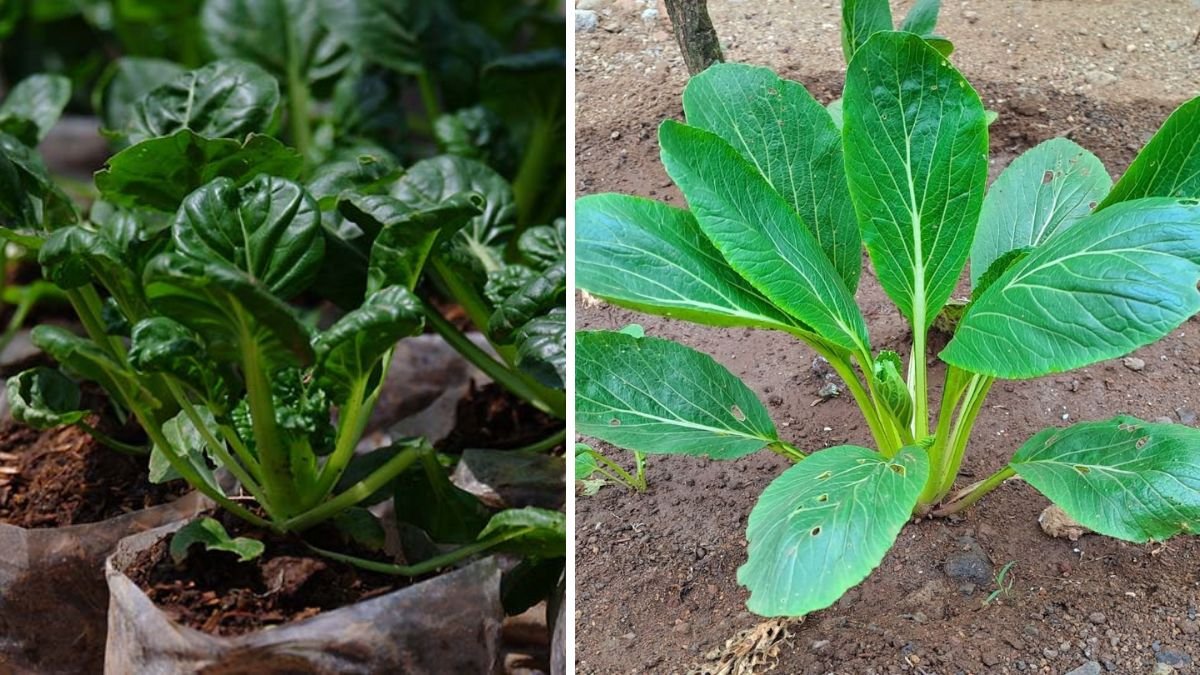
Growing your own food can be incredibly rewarding, especially when it comes to vibrant, nutritious greens like mustard greens. This guide will provide you with everything you need to know about growing mustard greens at home, offering tips and insights that will help you enjoy fresh, flavorful greens right from your garden.
What are Mustard Greens?
Mustard greens are leafy vegetables that belong to the Brassicaceae family, which also includes kale, broccoli, and cabbage. Thriving in temperate climates, these greens are known for their peppery flavor and versatility in the kitchen. Nutrient-rich and easy to grow, they can be used in a variety of dishes from salads to stir-fries.
Varieties of Mustard Greens
- Savoy Mustard Greens: These have crinkly leaves and a milder flavor, making them excellent for salads or light cooking.
- Smooth Mustard Greens: With smooth, flat leaves, they tend to have a sharper, more pungent taste, suitable for hearty dishes.
- Dwarf Mustard Greens: Ideal for smaller gardens or containers, these varieties require less space but still deliver excellent flavor and nutrition.
Benefits of Growing Mustard Greens
- Nutritional Value: Mustard greens are packed with vitamins A, C, and K, as well as minerals like calcium and iron. They’re low in calories, making them an excellent addition to any diet.
- Culinary Versatility: Their bold flavor and unique texture allow for various culinary applications, from raw salads to cooked dishes.
- Rapid Growth: Mustard greens are fast-growing, often ready for harvest in just 30 to 40 days from planting.
Ideal Growing Conditions
Soil Requirements
Mustard greens thrive in well-draining soil rich in organic matter. Aim for a soil pH between 6.0 and 7.5. Here’s how to prepare your soil:
- Test Soil pH: Use a soil kit to determine pH levels.
- Add Organic Matter: Incorporate compost or well-rotted manure to enhance soil fertility.
- Tilling: Loosen the soil to a depth of about 12 inches to encourage root growth.
Sunlight and Temperature
Mustard greens prefer full sun but can also tolerate partial shade. Ideally, they need about 6 hours of sunlight daily. As cool-weather crops, they flourish in temperatures between 50°F to 75°F (10°C to 24°C).
Watering
These greens require consistent moisture but should not sit in waterlogged soil. Water deeply once a week, and increase the frequency during particularly hot or dry spells.
Starting Mustard Greens
Seed Selection
Opt for high-quality, organic mustard seeds from a reputable source. You can also select from early-maturing varieties, which allow for multiple harvests throughout the season.
Planting Methods
- Direct Sowing: Sow seeds directly into the garden bed once the soil temperature reaches at least 55°F (13°C). Plant seeds about ¼ inch deep, spaced 1 inch apart in rows 12 to 18 inches apart.
- Transplanting: Start seeds indoors 4-6 weeks before the last frost date and transplant seedlings outside when they are 3-4 inches tall.
Care and Maintenance
Thinning
Once seedlings have their first true leaves, thin them to allow adequate space for growth. Ideally, space them 6-12 inches apart, depending on the variety.
Fertilization
Feed your mustard greens with a balanced fertilizer every 4-6 weeks to ensure optimal growth. Liquid fertilizers based on fish emulsion or seaweed work effectively.
Pest and Disease Management
Mustard greens are susceptible to pests, including aphids and flea beetles. Here are methods to manage them:
- Companion Planting: Planting herbs like rosemary or lavender nearby can deter pests.
- Neem Oil: A natural pesticide that can be sprayed to manage infestations.
- Hand-Picking: Regular monitoring and removing pests by hand can keep damage to a minimum.
Watch out for fungal diseases like downy mildew and white rust. Adequate spacing and good air circulation can prevent these issues.
Harvesting Mustard Greens
When harvesting, start with the outer leaves, allowing the inner leaves to continue growing. Ideally, you should harvest when leaves are young and tender to ensure the best flavor.
- Cutting Leaves: Use scissors to snip leaves near the base, ensuring you leave some leaves intact for ongoing growth.
- Timing: Harvest in the morning for the freshest greens, as this is when they are most hydrated.
Cooking with Mustard Greens
Mustard greens can be used in various dishes:
- Salads: Young leaves can be used raw in salads.
- Stir-Fries: Add them to vegetable stir-fries for extra flavor.
- Soups: Toss them into soups or stews, where they wilt nicely.
- Sautéed: A quick sauté with garlic and olive oil makes for a delicious side dish.
Storing Mustard Greens
For the best flavor and nutrients, consume mustard greens shortly after harvesting. If you need to store them, follow these tips:
- Refrigeration: Wash and dry the greens, then store them in a plastic bag with a paper towel to absorb moisture. They’ll stay fresh for about 3-5 days.
- Freezing: Blanch the greens in boiling water for a couple of minutes, then cool in ice water. Drain thoroughly, pack into freezer bags, and store for up to 6 months.
FAQs
1. How long does it take for mustard greens to grow?
Most varieties of mustard greens take about 30 to 40 days from seed to harvest.
2. Can mustard greens be grown in pots?
Yes, mustard greens can be successfully grown in pots. Choose a container that is at least 12 inches deep and ensure good drainage.
3. Do mustard greens taste spicy?
Yes, mustard greens have a peppery flavor that can be more pronounced with mature leaves. Young leaves are milder.
4. Can I grow mustard greens year-round?
In many regions, mustard greens can be grown year-round, especially in milder climates. In colder areas, they are typically grown in spring and fall.
5. How often should I water mustard greens?
Water mustard greens deeply about once a week, or more frequently during hot and dry weather to keep the soil consistently moist.
6. What can I plant alongside mustard greens?
Companion plants like onions, garlic, and marigolds help deter pests and can improve overall growth.
7. Are mustard greens good for health?
Absolutely! They are rich in vitamins A, C, and K and provide other valuable nutrients such as calcium and iron.
Conclusion
Growing mustard greens at home is an excellent way to enhance your cooking with fresh, nutritious ingredients. With this guide, you’ll have all the necessary information to cultivate your own mustard greens effortlessly. Whether you’re a seasoned gardener or a beginner, these leafy greens can provide great returns in flavor and health for your kitchen. Enjoy the satisfaction of harvesting your own greens, and delight in the wonderful dishes you can create!