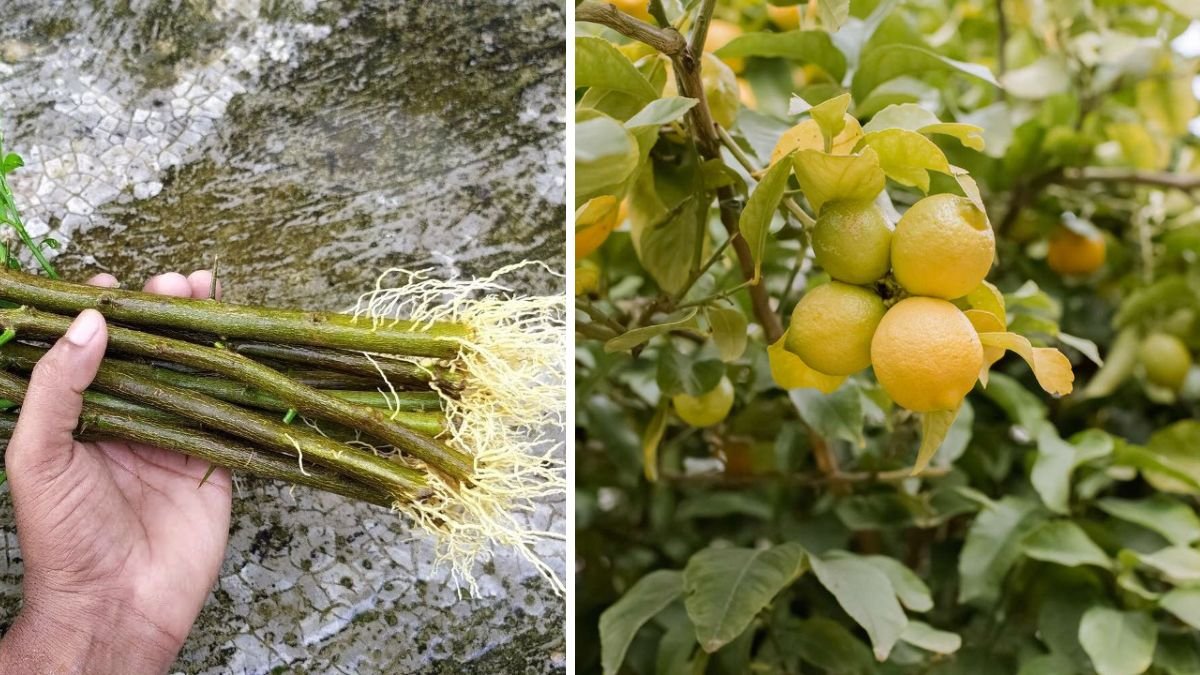
Growing a lemon tree from softwood cuttings is a rewarding experience, providing the opportunity to cultivate your own citrus fruit right in your backyard or even indoors. Not only does it produce delicious, tangy lemons, but it also adds beauty to your garden space. In this article, we’ll explore the simple steps to successfully propagate a lemon tree from softwood cuttings and address some frequently asked questions at the end.
What Is Softwood Cutting?
Softwood cuttings are young, green stems taken from a mature plant, typically in late spring or early summer when the plant is actively growing. This type of cutting is ideal for propagation because it is still pliable, has a high moisture content, and is more likely to root successfully than older, woody stems.
Why Choose Softwood Cuttings?
-
Speed and Efficiency: Softwood cuttings tend to root faster than older hardwood cuttings.
-
High Success Rate: There’s less risk of disease and higher chances for successful root development.
-
Genetic Consistency: Propagating through cuttings ensures that the new tree is genetically identical to the parent plant.
Step-by-Step Guide to Growing a Lemon Tree from Softwood Cuttings
Step 1: Gather Tools and Materials
Before starting the propagation process, gather the necessary materials:
- A healthy lemon tree to take cuttings from
- Sharp, clean pruning shears
- A small container or pot with drainage holes
- Well-draining potting mix (like a mixture of peat, perlite, and vermiculite)
- Rooting hormone (optional but recommended)
- Water
- Plastic cover or a clear plastic bag
- Labels (for identification)
Step 2: Take the Cuttings
-
Choose the Right Time: The best time to take softwood cuttings is in late spring or early summer when the tree is actively growing.
-
Select Healthy Growth: Look for young, healthy stems that are flexible and vibrant in color. Avoid stems that show signs of disease or distress.
-
Make the Cut: Using sharp pruning shears, cut a 4- to 6-inch section from the stem just below a leaf node. Make sure your cutting has at least two to three leaves.
-
Remove Excess Leaves: Trim the leaves on the lower half of the cutting to prevent moisture loss but leave a few leaves at the top for photosynthesis.
Step 3: Prepare the Cuttings
-
Optional Rooting Hormone: If you choose to use rooting hormone, dip the cut end of the cutting in the hormone. This helps stimulate root growth and increases the odds of successful propagation.
-
Insert into Soil: Fill your pot with the prepared potting mix, and make a hole using your finger or a pencil. Insert the cutting into the hole, ensuring that at least one leaf node is buried in the soil. Press the soil gently around the cutting to secure it.
-
Water the Cutting: After planting, water the cutting thoroughly but ensure that the soil remains well-draining to avoid rot.
Step 4: Create a Humid Environment
-
Cover the Cutting: To maintain humidity, cover the cutting with a plastic bag or dome. If you use a plastic bag, make sure it doesn’t touch the leaves. You may need to secure the bag at the base with a rubber band.
-
Watering Routine: Check the soil regularly and water as necessary to keep the soil moist but not soggy. Remove the cover for a few hours every few days to provide ventilation and reduce the risk of mold.
Step 5: Monitor and Care for Your Cutting
-
Light Requirements: Place the pot in a location that receives bright, indirect sunlight. Avoid direct sunlight, as it can scorch the young cutting.
-
Temperature: Aim for a temperature between 70°F and 80°F (21°C to 27°C) for optimal rooting.
-
Patience: It generally takes 4-6 weeks for softwood cuttings to root. You can check for root development by gently tugging on the cutting. If there’s resistance, it’s an indication that roots are forming.
Step 6: Transplanting the New Lemon Tree
When your cutting has developed a healthy root system, it’s time to transplant it into a larger pot or directly into the ground.
-
Choose the Right Time: The best time to transplant is in the spring when the risk of frost has passed.
-
Prepare the New Pot or Ground: If using a pot, ensure it has drainage holes and fill it with a well-draining potting mix. If planting in the ground, choose a sunny spot with good drainage.
-
Transplant Carefully: Gently remove the cutting from its original container, being careful not to damage the roots. Place it into the new pot or hole in the ground and backfill with soil.
-
Water Well: After transplanting, water thoroughly to help the soil settle and enable the roots to re-establish.
-
Ongoing Care: Continue to water the new tree regularly, especially during dry spells, and consider fertilizing once the tree begins to show new growth.
Troubleshooting Common Issues
-
Wilting: If the cutting wilts, it may be due to insufficient water, too much sun, or lack of humidity.
-
Rotting: Overwatering can lead to root rot. Ensure the soil is well-draining and avoid keeping the soil soggy.
-
Mold Formation: If mold appears, remove the cover for better air circulation, and trim away any affected leaves.
FAQs about Growing Lemon Trees from Cuttings
1. Can I use cuttings from any lemon tree?
Yes, you can use cuttings from any healthy lemon tree. Just ensure that the tree is disease-free for the best results.
2. What type of potting mix is best for lemon cuttings?
A well-draining potting mix that contains peat, perlite, and vermiculite is ideal for lemon cuttings. This mix provides aeration and retains moisture without becoming soggy.
3. How long does it take for lemon cuttings to root?
It usually takes about 4 to 6 weeks for lemon cuttings to develop roots, but this can vary depending on environmental conditions.
4. Should I fertilize my lemon cutting?
Avoid fertilizing until the new lemon tree shows signs of vigorous growth. Once it is established, you can use a balanced fertilizer.
5. Can I grow a lemon tree indoors?
Yes, lemons can be grown indoors as long as they receive sufficient light and warmth. Consider placing them near a south-facing window.
6. What are the best conditions for growing lemon cuttings?
Lemon cuttings thrive in warm temperatures (70°F to 80°F), with bright, indirect sunlight and high humidity.
7. How do I know when it’s time to transplant my lemon tree?
When the cutting has a good root system (indicated by resistance when tugging) and is showing new growth, it’s time to transplant.
Conclusion
Growing a lemon tree from softwood cuttings is not only feasible, but it’s also a gratifying venture that can bring fresh lemons right to your home. By following these simple steps and caring for your cutting diligently, you’ll be well on your way to nurturing a healthy lemon tree. Remember, patience is key, and soon enough, you’ll enjoy the fruits of your labor in the form of juicy lemons. Happy gardening!