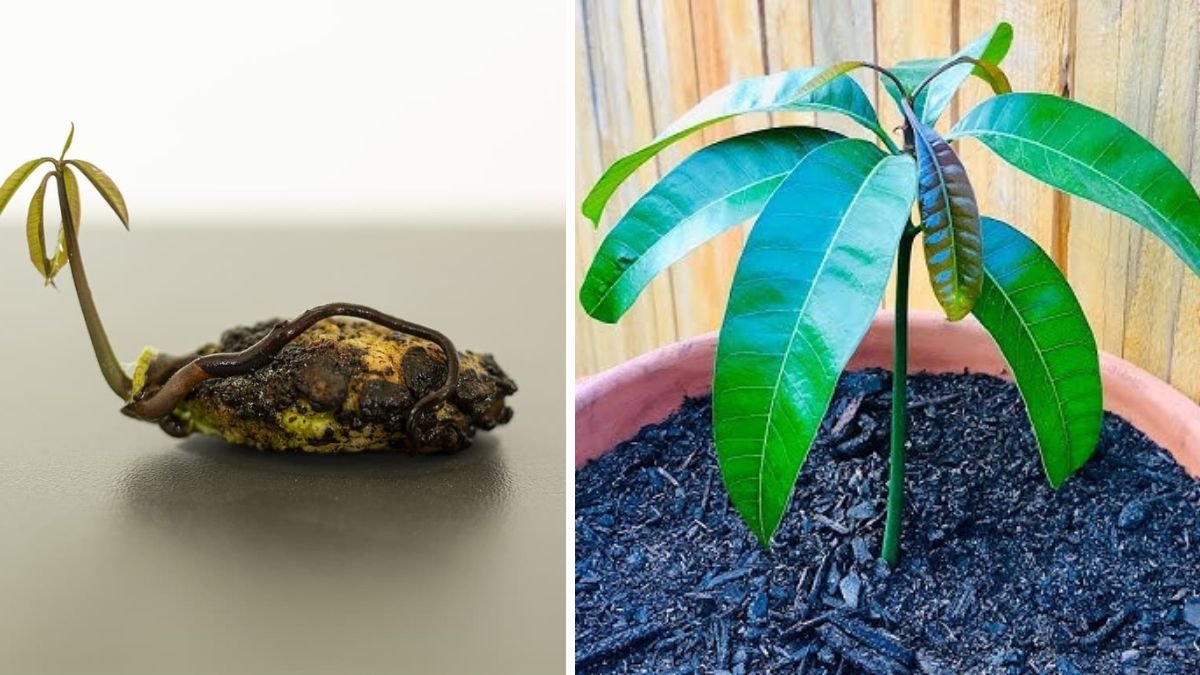
Mangoes, known scientifically as Mangifera indica, are among the most beloved tropical fruits in the world. The sweet, juicy flesh of the mango tantalizes taste buds, while its vibrant color and fragrance make it a feast for the senses. For gardening enthusiasts and home gardeners, growing mangoes from seed can be an exciting venture. This article will guide you through a fast and effective method for sprouting mango seeds indoors, ensuring that you can enjoy the fruits of your labor sooner rather than later.
Understanding the Mango Seed
Before diving into sprouting methods, it is essential to understand the mango seed. Inside the hard outer shell lies the actual seed, which contains the embryo that will eventually grow into a mango tree. The key is to replicate the natural conditions required for germination as much as possible, enhancing the chances of success.
Selecting Your Mango Seed
- Choose Ripe Mangoes: Select ripe mangoes from which you can extract the seeds. Look for mangoes that are slightly soft to the touch, with a fruity aroma.
- Seed Quality: Choose seeds from organic or non-treated mangoes whenever possible. Seeds from store-bought mangoes may be less viable, especially if they have been treated with chemicals.
Preparing the Mango Seed for Germination
Once you have selected your mango, it’s time to prepare the seed for germination.
Step 1: Remove the Seed
- Cut the Mango: Slice the mango lengthwise, avoiding the hard seed inside.
- Extract the Seed: Separate the seed from the flesh carefully, preserving the integrity of the seed.
Step 2: Clean the Seed
- Wash the Seed: Rinse the seed under running water to remove any remaining fruit pulp. Use a gentle brush if necessary.
- Drying: Allow the seed to dry for a few hours.
Step 3: Prepare the Seed Coat
The hard outer shell of the mango seed can be a barrier to germination. To enhance the chances of sprouting:
- Remove the Seed Coat: Using a knife, carefully cut or score the hard outer shell. This allows moisture to penetrate.
- Soak the Seed: Place the seed in a bowl of water for 24 hours. This soaking period will soften the hard seed coat and accelerate the germination process.
Fast Mango Seed Sprouting Method
Necessary Materials
- Clean mango seed
- Small pots or seed trays
- Potting mix (preferably rich in organic matter)
- Plastic wrap or a plastic bag
- Water
- A warm, bright location (indirect sunlight)
Step 1: Potting the Seed
- Fill Pots with Potting Mix: Fill small pots or seed trays with a high-quality potting mix, leaving about an inch of space at the top.
- Plant the Seed: Plant the soaked mango seed about 1-2 inches deep into the soil, with the seed’s flat side facing down.
- Water the Soil: Gently water the soil until it is moist, ensuring not to saturate it.
Step 2: Create a Humid Environment
- Cover the Pots: To maintain humidity, cover the pots with plastic wrap or place them in a plastic bag. This mimics the warm, humid conditions of a tropical environment, which are favorable for seed germination.
- Check for Moisture: Ensure that the soil remains moist but not waterlogged. Remove the covering for a few minutes daily to allow air circulation.
Step 3: Provide Adequate Light and Heat
- Place the pots in a warm, well-lit location, such as near a south-facing window. Mango seeds generally require temperatures between 70°F to 85°F (21°C to 29°C) for optimal growth.
- If natural light is insufficient, consider using grow lights to supplement lighting.
Step 4: Germination Monitoring
- Timeframe: Mango seeds can take anywhere from 1 to 3 weeks to germinate. Patience is key.
- Watch for Growth: Once the seedling appears, remove the plastic covering to allow for air circulation. Ensure it continues to receive adequate light and water.
Caring for Your Sprouted Mango Seedling
Once your mango seedling is a few inches tall, it’s time to start caring for it.
Transplanting
- Transplanting to Larger Pots: When your mango seedling has developed a few sets of true leaves, typically around 4-6 inches tall, consider transplanting it to a larger pot to allow for further growth.
- Soil Mix: Use a potting mix that provides good drainage. A combination of potting soil, perlite, and sand can be ideal.
Watering
- Water your mango plant regularly but allow the top inch of the soil to dry out between waterings. Mango trees prefer slightly dry conditions over being waterlogged.
Fertilization
- After a few weeks of growth, begin fertilizing with a balanced, water-soluble fertilizer every month. Follow the recommendations on the fertilizer package to avoid over-fertilization.
Pruning
As your mango tree grows, you might need to prune it to promote bushier growth and remove any dead or diseased branches.
Frequently Asked Questions (FAQs)
1. Can I grow mangoes from any mango seed?
While you can technically grow a mango tree from any seed, seeds from organic or non-treated mangoes will likely yield better results. Seeds from hybrid varieties may not produce fruit true to the parent plant.
2. How long does it take for a mango seed to sprout?
Under optimal conditions, a mango seed can sprout in 1 to 3 weeks. Factors such as temperature, water, and light will significantly impact sprouting time.
3. Will indoor mango trees produce fruit?
Yes, but mango trees typically require a certain amount of sunlight and space to produce fruit. If grown indoors, they might take several years to flower and bear fruit. Consider moving your tree outdoors during the growing season for better results.
4. What should I do if my mango seed doesn’t sprout?
If your mango seed doesn’t sprout after a few weeks, check if the seed was viable and if the conditions were suitable. You can try another seed, ensuring you follow the right preparation and planting methods.
5. Can I grow mango trees in colder climates?
Mango trees thrive in warm climates. In colder areas, consider growing them in pots that can be brought indoors during winter. Maintaining ideal temperatures is critical to their survival and growth.
Conclusion
Growing mango trees from seeds can be a rewarding experience for home gardeners. By following the fast sprouting method detailed above, you can expedite the germination process and enjoy the satisfaction of nurturing your mango plants indoors. With proper care and attention, you’ll be on your way to growing your very own mangoes, bringing a taste of the tropical paradise right to your home. Happy gardening!