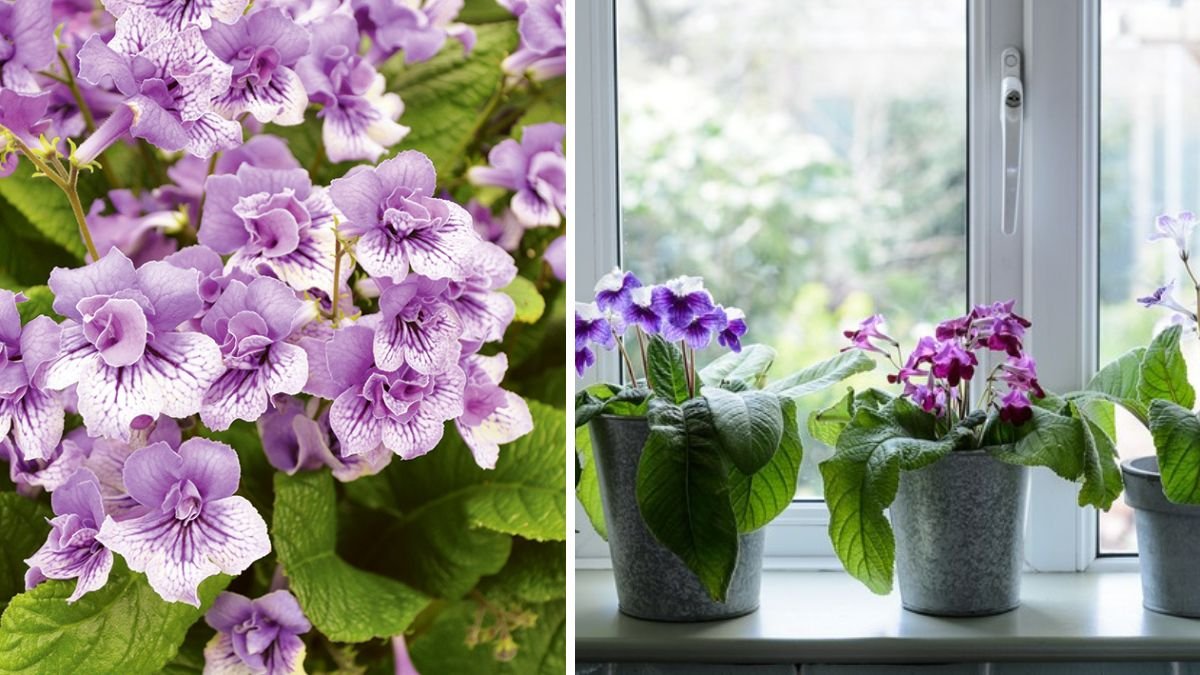
The Cape Primrose, or Streptocarpus, is a charming houseplant beloved for its vibrant flowers and lush, green foliage. With a variety of colors and patterns, this plant can bring vibrancy to any space. One of the most rewarding aspects of growing Cape Primrose is the ability to propagate it from a single leaf. This article delves into the best methods for growing Cape Primrose from a leaf, ensuring optimal results.
1. Understanding Cape Primrose
Before diving into propagation techniques, it’s essential to understand the plant itself. Originally native to South Africa, Cape Primrose thrives in warm and humid conditions. They produce striking flowers, typically in shades of blue, purple, and white. The plant’s leaves are soft and fuzzy, which can mimic certain succulents or other indoor plants.
One of the standout features of Cape Primrose is its ability to thrive in various lighting conditions, although it prefers bright, indirect sunlight. The propagation process is straightforward, making it an excellent choice for both novice and experienced plant enthusiasts.
2. Choosing the Right Tools
Successful propagation begins with the right tools and materials. Below is a list of what you will need:
Essential Tools and Materials
- Healthy Cape Primrose plant: Select an established plant showing no signs of disease.
- Sharp blade or scissors: For making clean cuts.
- Potting soil: A well-draining soil mix appropriate for African violets.
- Small pots or propagation trays: To hold the new plants.
- Clear plastic bag or humidity dome (optional): Helps maintain humidity.
- Water: Room temperature water for the misting process.
3. Selecting a Leaf for Propagation
Choosing the right leaf is crucial for successful propagation. Here’s how to select an optimal leaf:
- Health Check: Ensure the leaf is healthy, free of spots, tears, or wilting. The leaf should look vibrant and firm.
- Size Matters: Opt for a medium-sized leaf rather than a small or overly large one. A medium leaf will contain enough nutrients and energy to support new growth.
- Position: Prefer a leaf closer to the base of the plant as these tend to be more robust and capable of supporting new shoots.
4. Propagation Methods
Method 1: Leaf Cuttings
This is the most common method for propagating Cape Primrose from a leaf. Here’s a step-by-step guide:
Step 1: Take the Cutting
- Using your sharp blade, cut the leaf at a 45-degree angle. Aim for at least a three to five-inch section of the leaf.
- Ensure your cuts are clean to promote healthier growth and reduce the risk of disease.
Step 2: Prepare the Soil
- Fill your small pots or propagation trays with a well-draining potting mix. African violet potting mixes work particularly well.
- Lightly moisten the soil, but ensure it’s not soggy.
Step 3: Plant the Cutting
- Insert the cut end of the leaf cutting into the soil, burying it about an inch deep. Make sure the leaf lies flat against the soil for optimal root development.
- Gently pat the soil around the cutting to secure it.
Step 4: Maintain Humidity
- Cover the pot with a clear plastic bag or a humidity dome to create a greenhouse effect. This helps retain moisture.
- Alternatively, mist the cutting regularly to keep humidity levels high, but avoid overwatering.
Step 5: Provide Light
- Place the pot in a location with bright, indirect sunlight. Direct sun can scorch the cutting, while too little light can hinder growth.
Method 2: Water Propagation
Water propagation is another technique for those who enjoy watching roots develop in liquid.
Step 1: Take the Cutting
- As with the leaf cutting method, use a sharp blade to remove a healthy leaf. Make a 45-degree cut to the base of the leaf.
Step 2: Prepare the Water
- Fill a clear glass or jar with room-temperature water. Ensure that only the cut end of the leaf is submerged; the rest of the leaf should remain above water.
Step 3: Place in Light
- Set the water-filled container in a location with bright, indirect light.
Step 4: Monitor Water Levels
- Change the water every week to prevent stagnation.
- Monitor for root development; this can take anywhere from a few weeks to a couple of months.
Step 5: Transition to Soil
Once the roots are a couple of inches long, you can transplant the cutting into soil using the method outlined above.
5. Care for Your New Cape Primrose Plant
Watering
- Regularly check the soil moisture. The soil should be kept consistently damp but never waterlogged. Overwatering can lead to root rot, while underwatering may cause the leaves to wilt.
Fertilization
- Use a diluted liquid fertilizer once every four to six weeks during the growing season (spring and summer). Avoid fertilizing during the dormant months (fall and winter).
Light Conditions
- Once the cuttings establish roots, continue placing them in bright, indirect light. If possible, gradually acclimate them to more light exposure over time.
Pruning
- Trim any dead or yellowing leaves to allow the plant to focus its energy on new growth.
6. Troubleshooting Common Issues
- Yellowing Leaves: Often indicates overwatering. Ensure proper drainage and reduce watering frequency.
- Stunted Growth: Check light conditions; the plant may not be getting enough brightness.
- Pests: Regularly inspect the plant for pests like aphids or spider mites. Treat with insecticidal soap or neem oil if necessary.
FAQs
1. How long does it take for a Cape Primrose leaf cutting to root?
It typically takes a few weeks to a couple of months for a Cape Primrose leaf cutting to develop roots, depending on the conditions and method used.
2. Can I propagate Cape Primrose in water all year round?
Yes, you can propagate in water year-round, but the growth rate might slow down in the dormant months (fall and winter) due to lower light levels and temperature.
3. How often should I water my new Cape Primrose plants?
Water the plants when the top inch of soil feels dry. Ensure the soil is consistently damp but not soggy.
4. Can Cape Primrose tolerate direct sunlight?
Cape Primrose prefers bright, indirect light. Direct sunlight can scorch the leaves and harm the plant.
5. How can I tell if my Cape Primrose plant is healthy?
Healthy Cape Primrose plants should have firm, vibrant leaves and produce bright flowers. Signs of distress include yellowing leaves, wilting, or a lack of flowering.
6. Is it necessary to use a humidity dome for propagation?
While not strictly necessary, a humidity dome or covering helps maintain moisture levels and increases the chances of successful propagation.
7. Can I use regular garden soil for propagation?
It’s best to use a well-draining potting mix, ideally formulated for African violets, as regular garden soil may retain too much moisture.
Conclusion
Growing Cape Primrose from a leaf is an accessible and rewarding process, offering plant enthusiasts a chance to expand their collection or share beautiful plants with friends. By following the methods outlined above, you can achieve optimal growth and enjoy vibrant blooms that will brighten any space. Whether you opt for leaf cuttings or water propagation, the key lies in maintaining the right environment and care practices. Happy growing!